Manufacturing Systems ADVISORY SERVICES
Improve Throughput. Strengthen Flow.
Build Scalable Manufacturing Systems.
Most manufacturing performance problems are not caused by a single machine, department, or software platform.
They usually come from how facility layout, material flow, equipment, automation, engineering, planning, and production execution interact as a manufacturing system.
Applied Manufacturing Systems helps fabrication, prefab, industrialized construction, and manufacturing organizations improve throughput, production flow, manufacturing readiness, and operational scalability.
The work is focused through three core areas:
→ Facility Layout & Production Flow
→ Equipment & Automation Strategy
→ Digital-to-Production Integration
Whether you are evaluating growth, expanding capacity, improving production flow, implementing automation, or working through recurring operational problems, the objective remains the same:
Build manufacturing systems that perform reliably, scale effectively, and support long-term operational success.
Manufacturing Systems Focus
Manufacturing performance is influenced by both physical and digital workflows.
Material movement, information flow, equipment utilization, engineering releases, production planning, purchasing, scheduling, and execution all affect throughput and operational performance.
Applied Manufacturing Systems evaluates these relationships as an integrated manufacturing system rather than isolated departments, machines, or technologies.
The goal is to identify where work is being delayed, where friction is being created, and what improvements will have the greatest impact on production flow, labor efficiency, and scalability.
Facility Layout & Production Flow
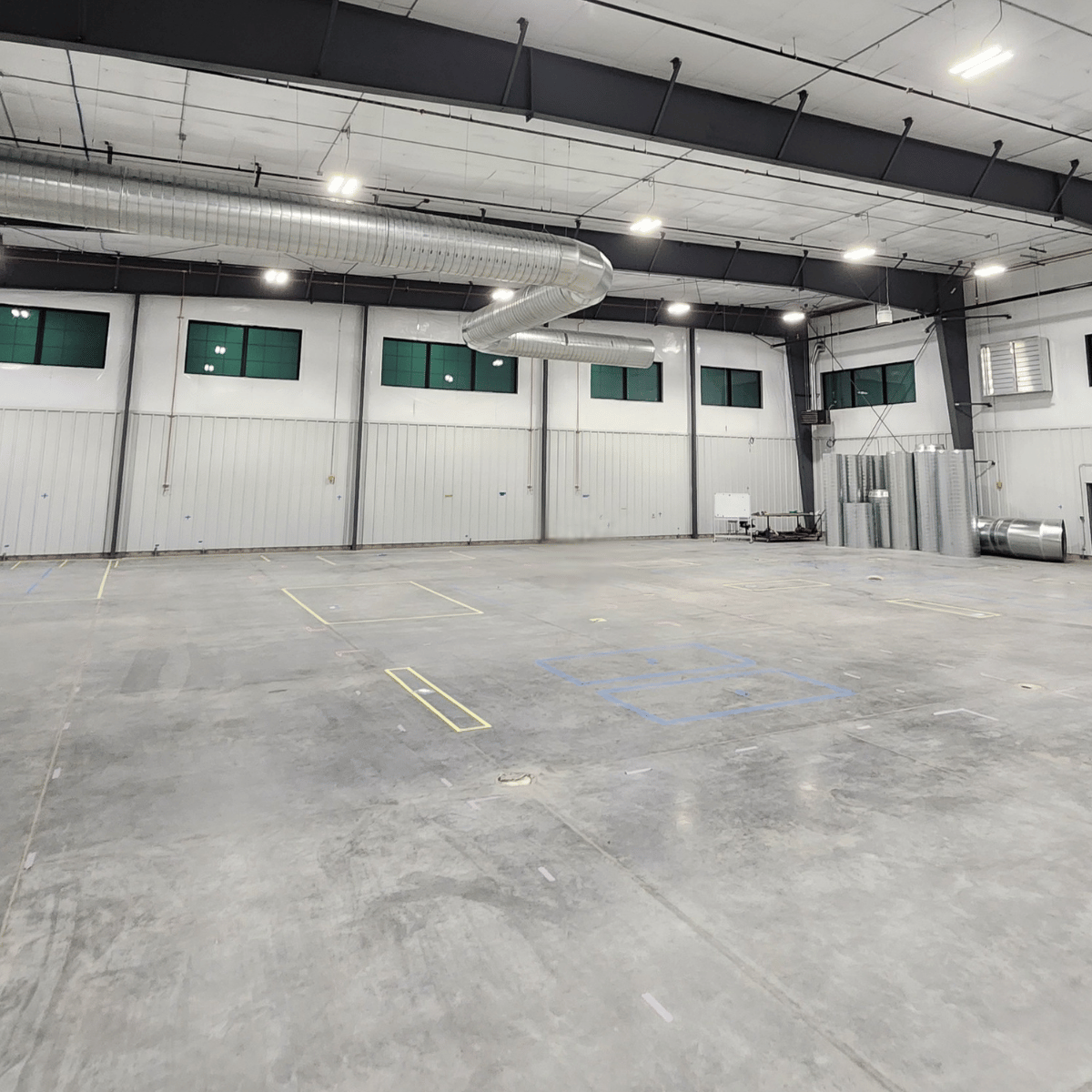
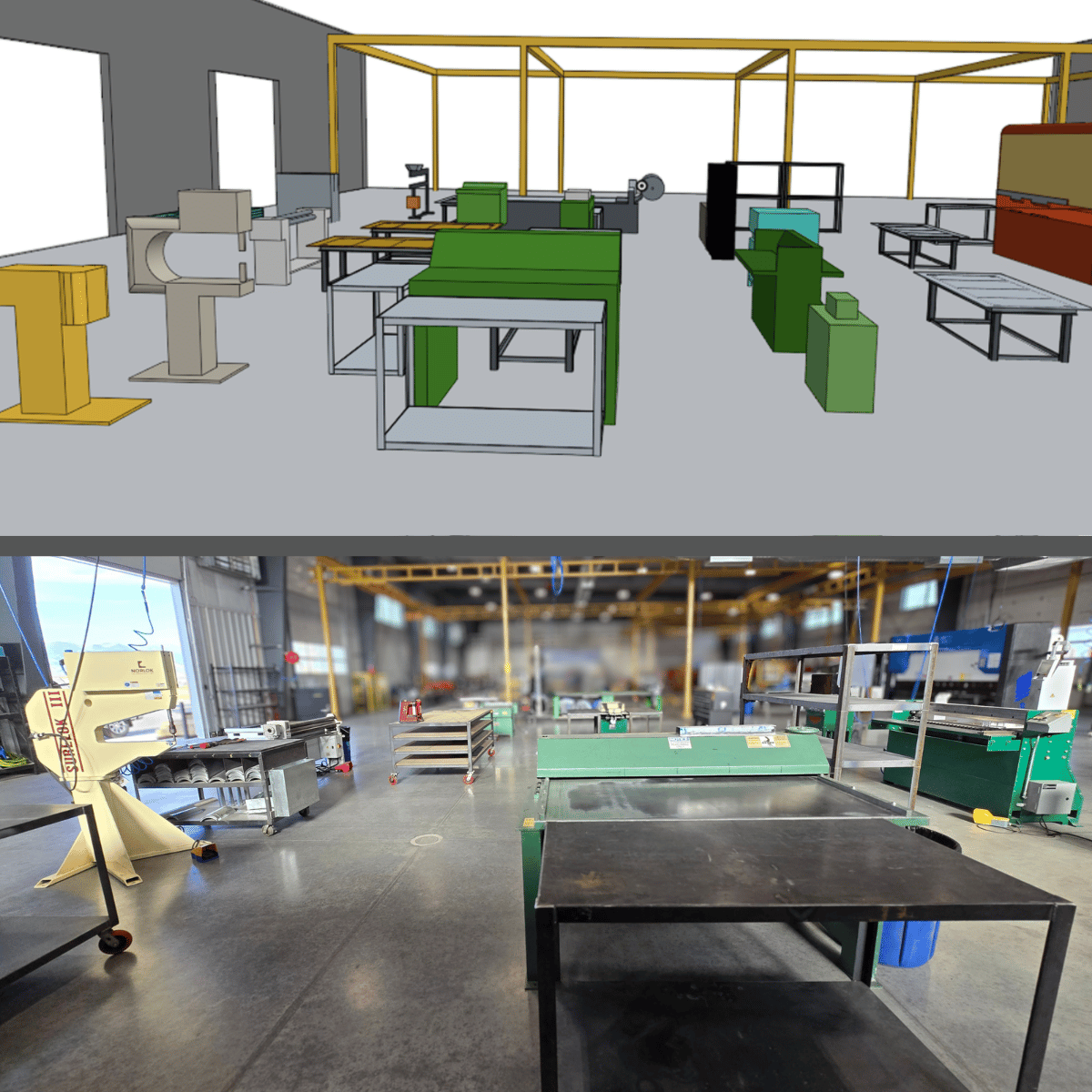
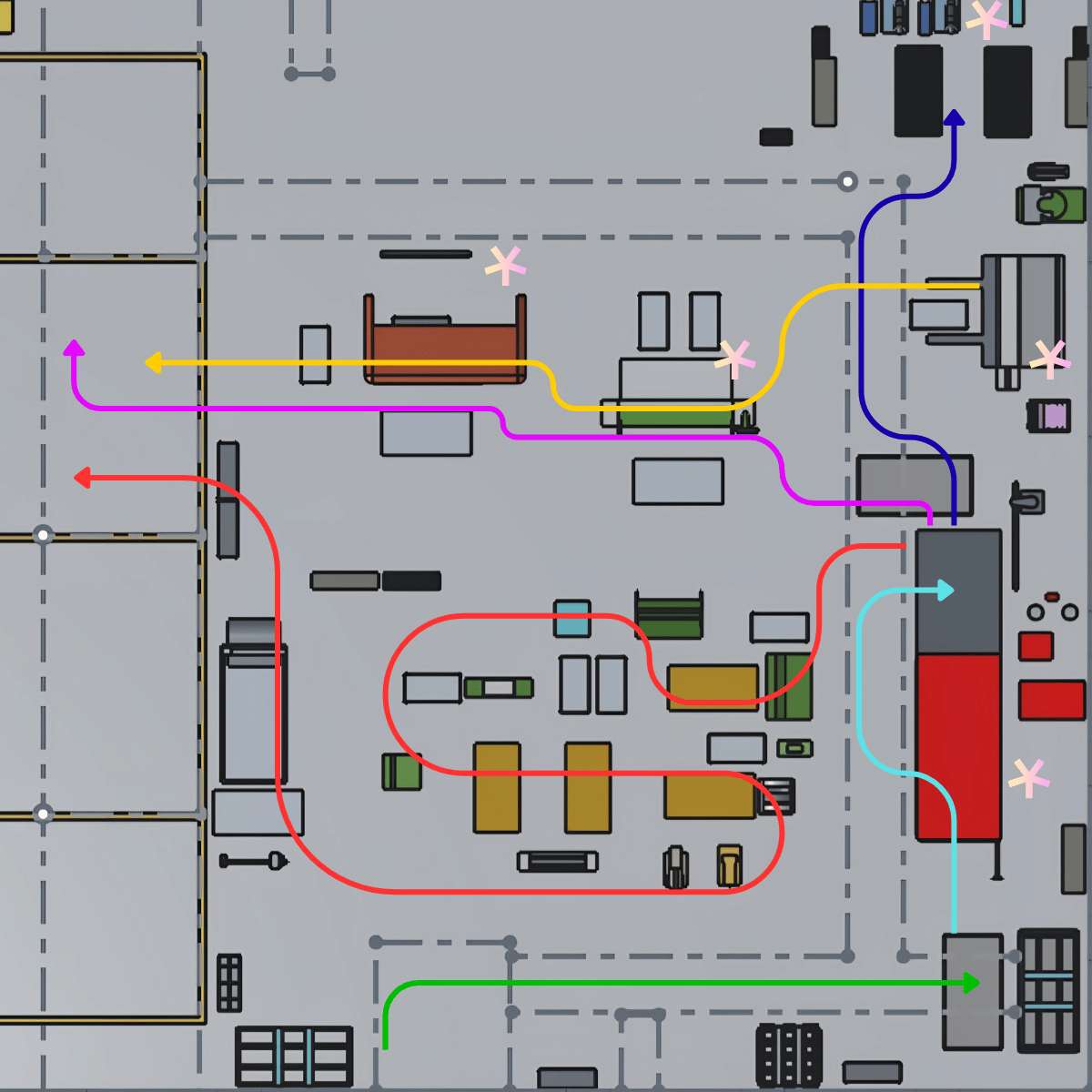
Production performance is heavily influenced by how material, people, equipment, information, and work-in-process move through a facility.
Facility layout decisions affect travel distance, congestion, department relationships, staging, WIP accumulation, labor utilization, and throughput.
When layout and flow are disconnected, production becomes harder to manage and harder to scale.
focus AREAS :
→ Facility layout planning
→ Production flow analysis
→ Material flow improvement
→ Department relationships
→ Equipment placement
→ Capacity constraints
→ Bottleneck identification
→ Facility expansion planning
→ Workflow sequencing
TYPICAL OUTCOMES :
→ Improved production flow
→ Reduced material handling
→ Better use of available space
→ Reduced congestion
→ Clearer department relationships
→ Improved throughput visibility
→ Stronger expansion planning
Equipment & Automation Strategy
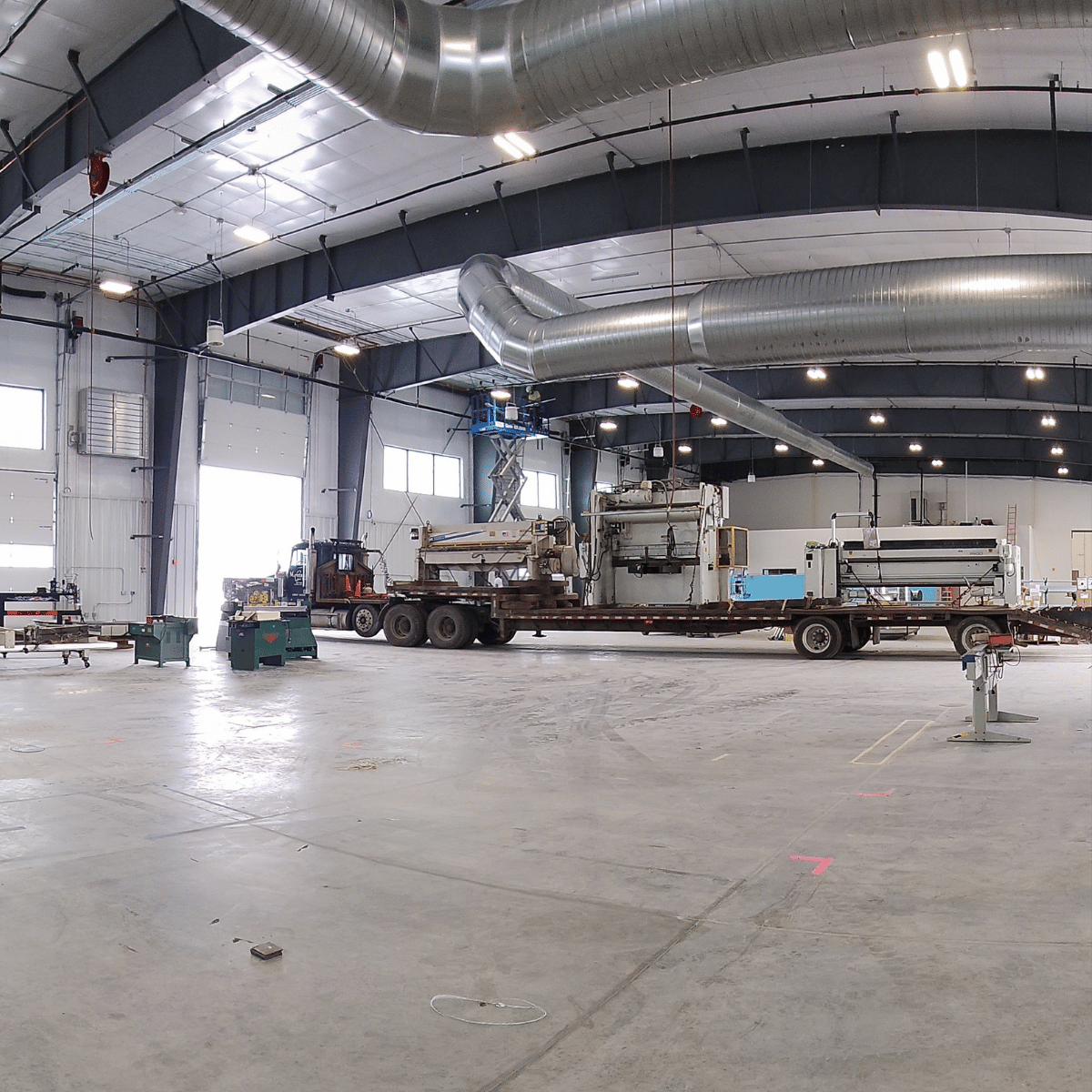
Equipment and automation decisions should support the manufacturing system, not create new constraints.
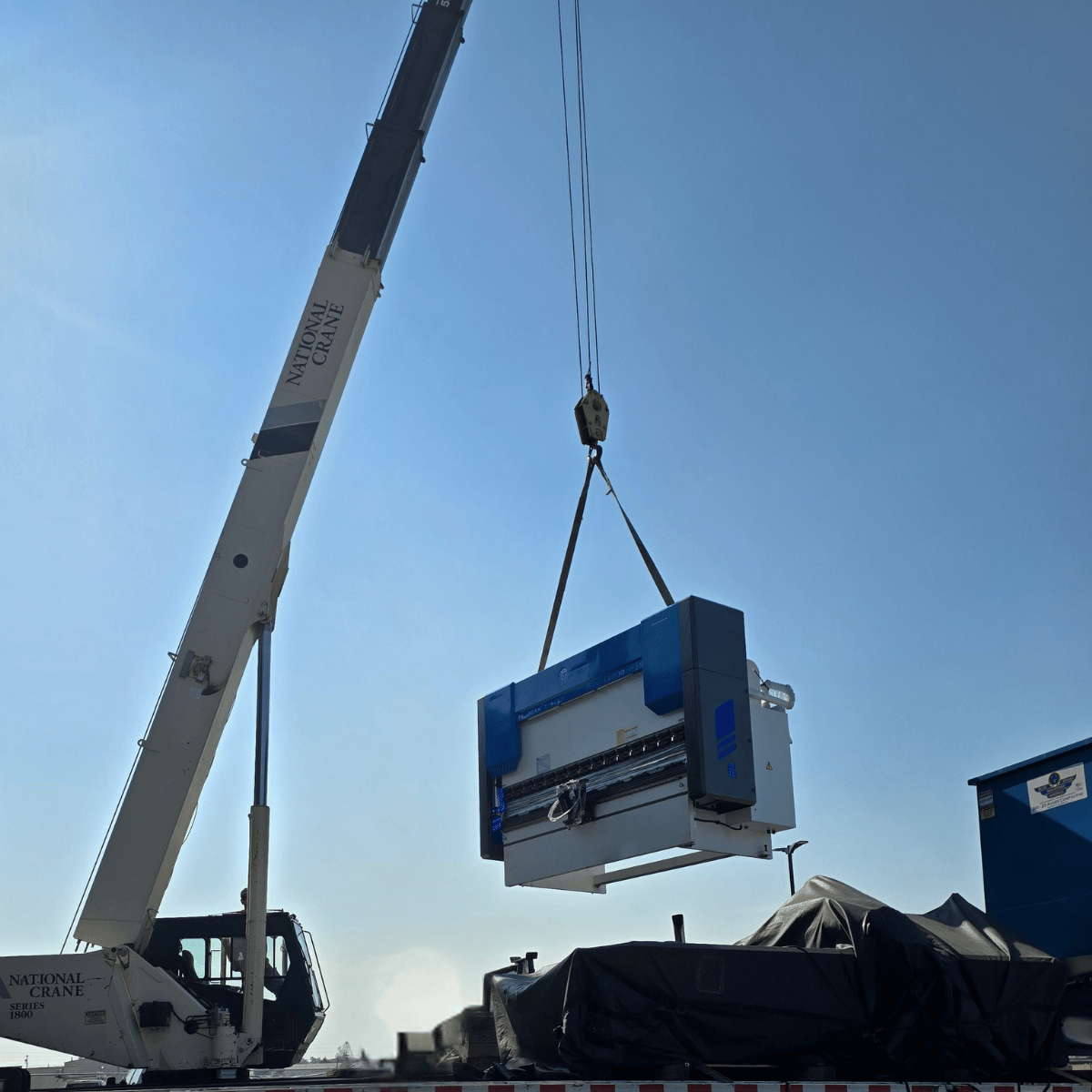
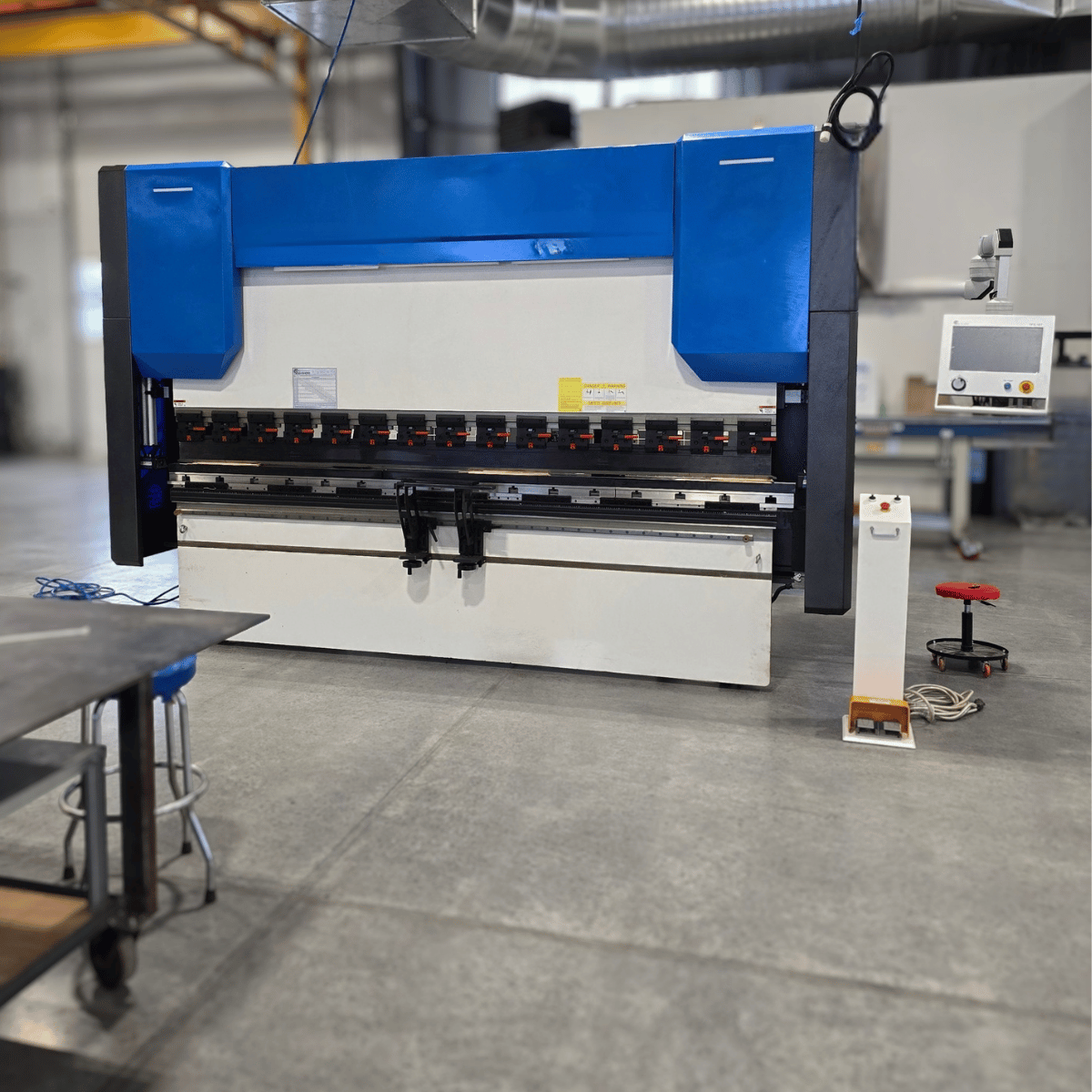
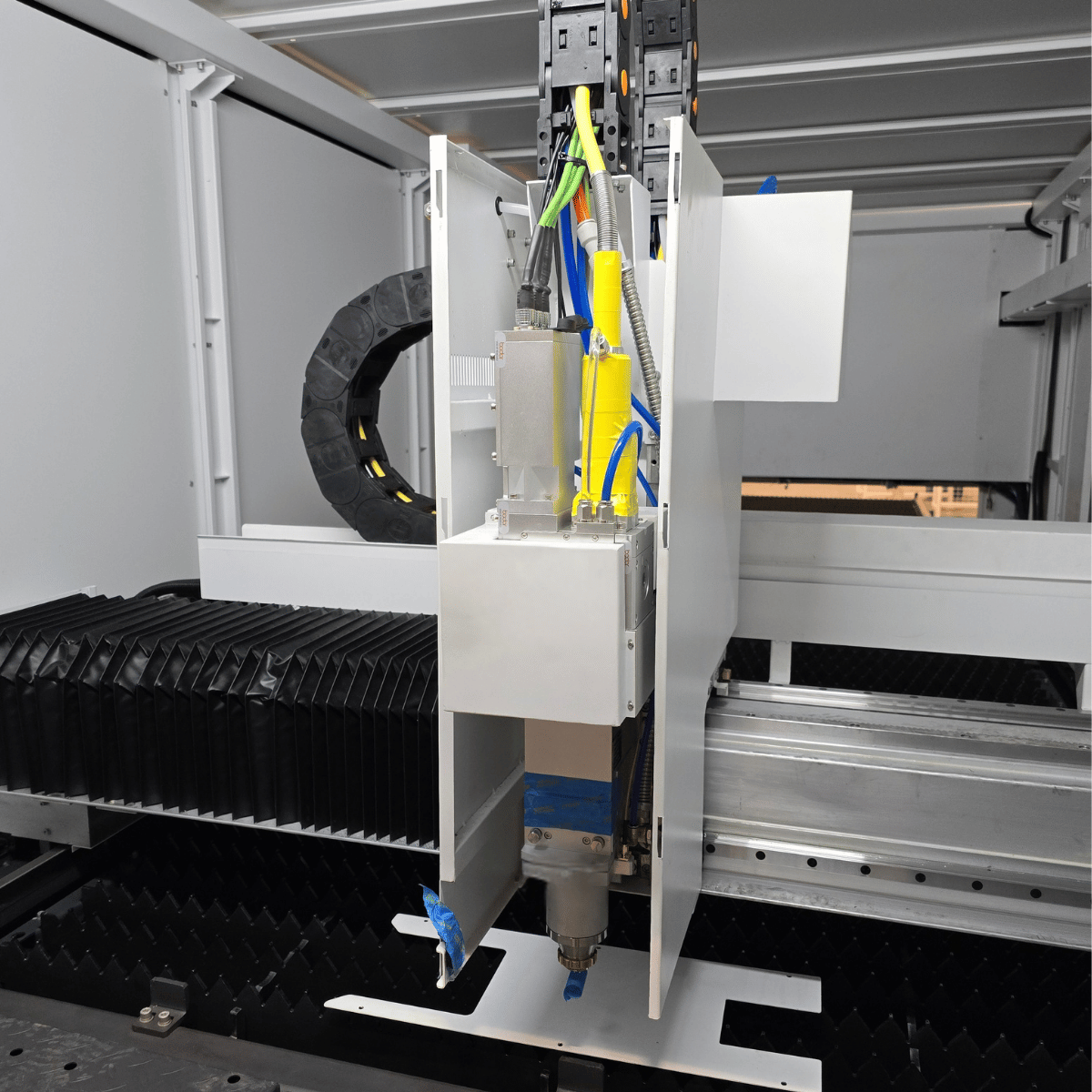
A new machine can improve capability, but it can also expose weaknesses in workflow, layout, material handling, labor, programming, maintenance, or downstream capacity.
Applied Manufacturing Systems helps organizations evaluate equipment and automation decisions based on actual production requirements, capacity needs, labor realities, workflow readiness, and long-term operational goals.
focus AREAS :
→ Equipment evaluation
→ Automation strategy
→ Capacity analysis
→ Equipment utilization
→ Department balancing
→ Labor dependency
→ Capital planning
→ Workflow integration
→ Implementation readiness
TYPICAL OUTCOMES :
→ Better equipment decisions
→ Improved capacity utilization
→ Stronger automation readiness
→ Reduced implementation risk
→ Better labor planning
→ Improved workflow fit
→ More informed capital investment decisions
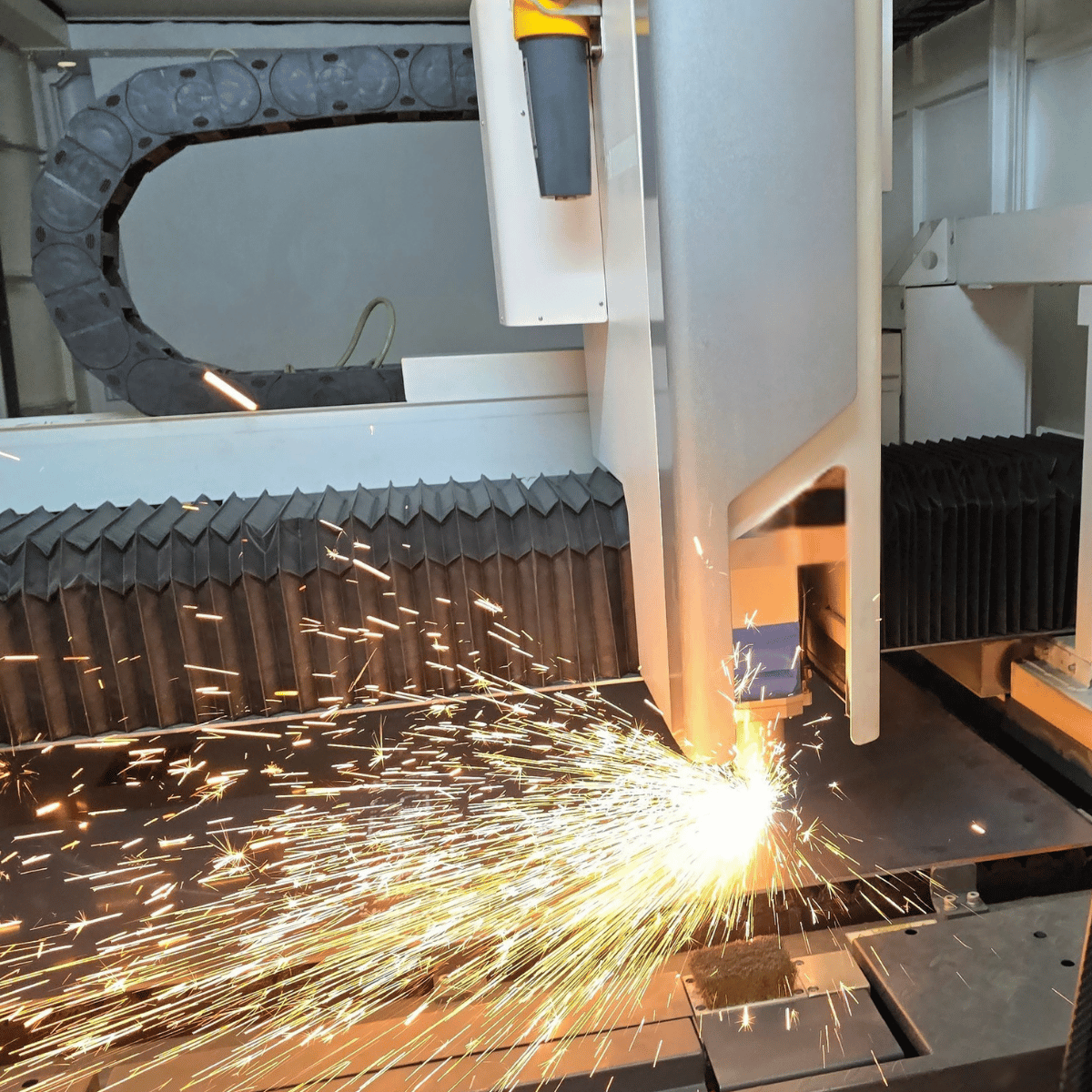
Digital-to-Production Integration
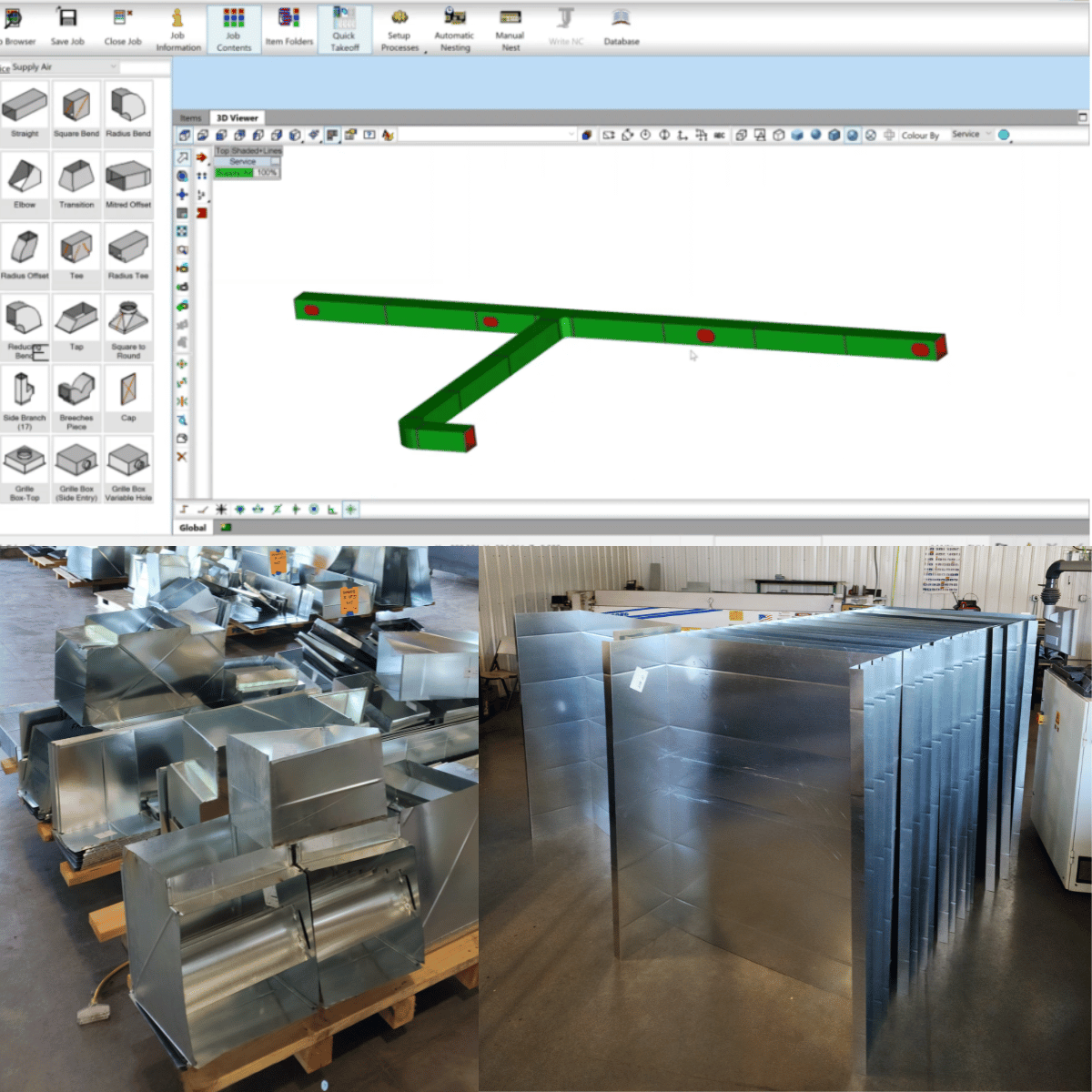
Manufacturing performance depends on how effectively information moves from engineering through production execution.
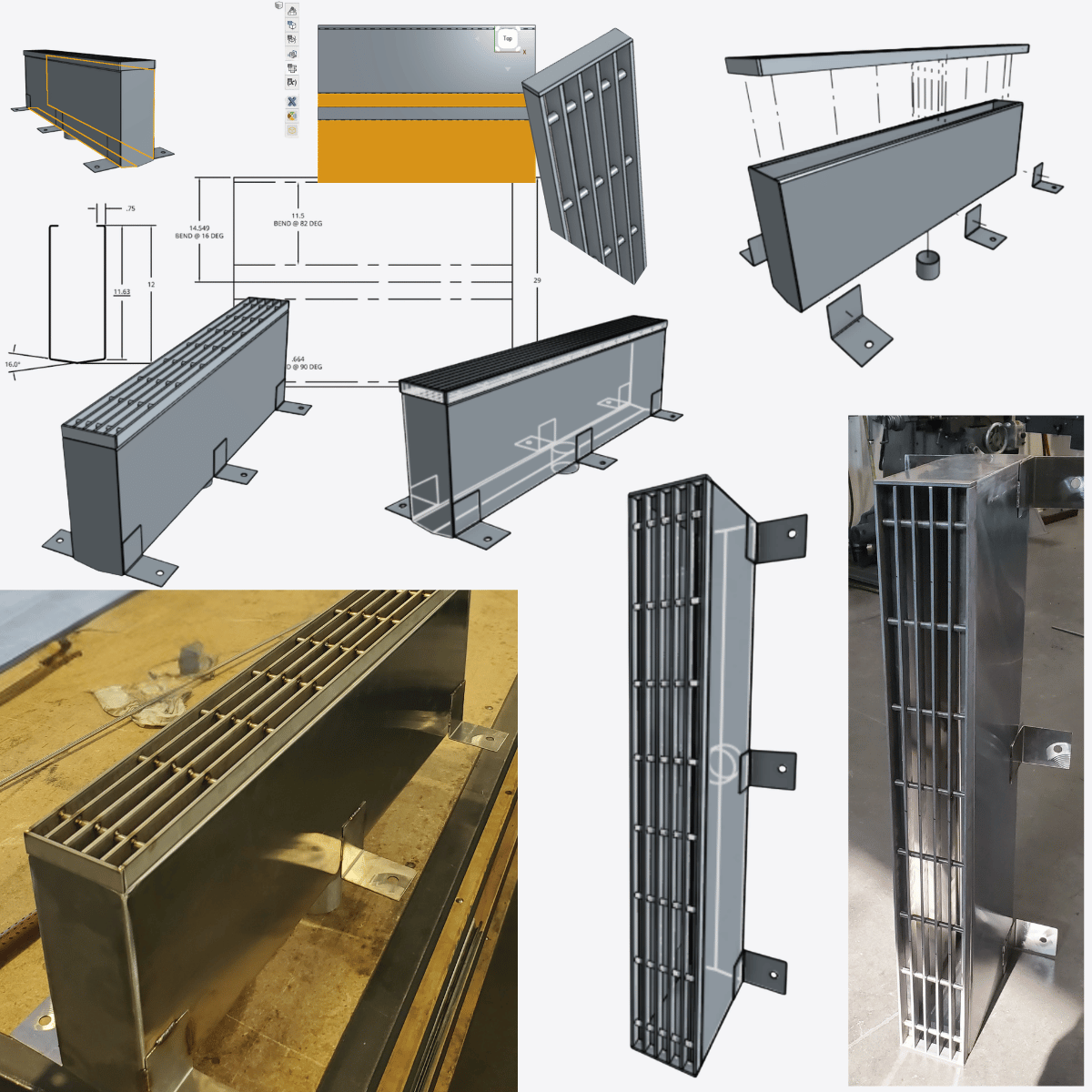
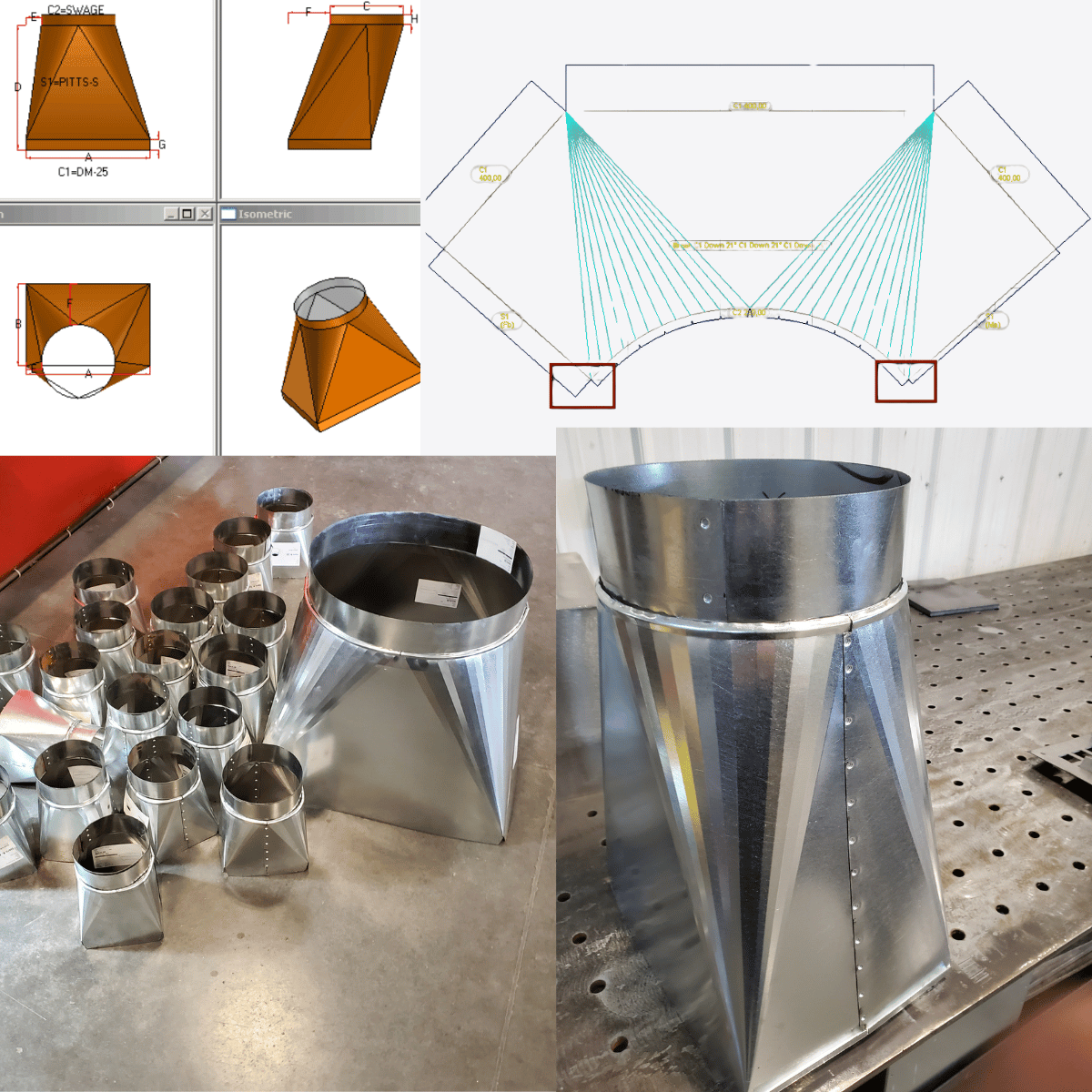
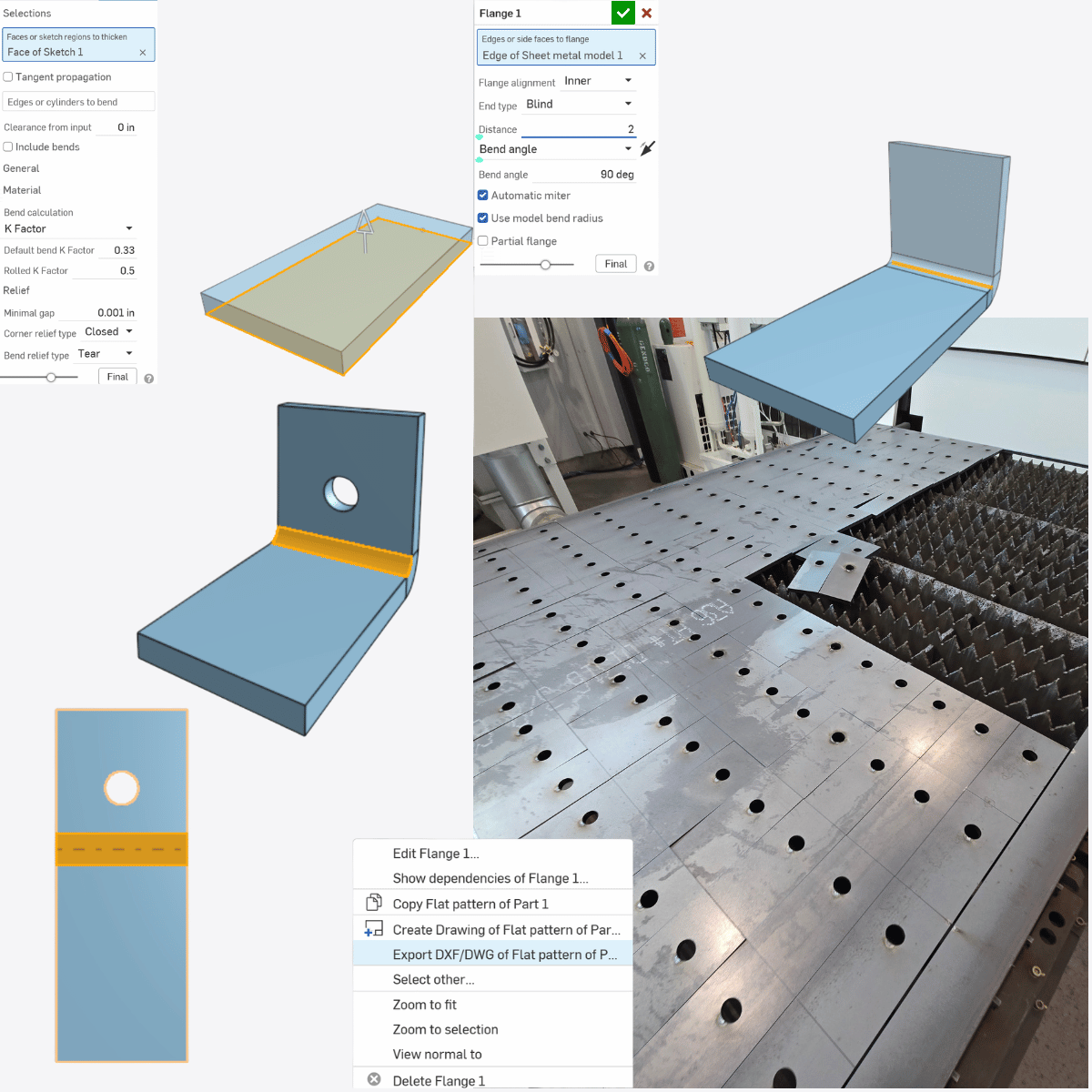
Engineering, BIM, CAD/CAM, ERP systems, routing structures, purchasing, production planning, and shop-floor execution need to operate as a coordinated workflow.
When those areas are disconnected, production teams often compensate manually through clarification, rework, expediting, and constant schedule adjustment.
Applied Manufacturing Systems evaluates how digital workflows support or interfere with manufacturing execution.
focus AREAS :
→ Engineering-to-production workflows
→ BIM-to-production workflows
→ CAD/CAM workflows
→ ERP workflow alignment
→ Routing structures
→ Production planning
→ Release management
→ Revision control
→ Manufacturing readiness
→ Office-to-floor communication
TYPICAL OUTCOMES :
→ Improved workflow coordination
→ Reduced information loss
→ Better manufacturing readiness
→ Improved production visibility
→ Stronger release structure
→ More reliable execution
→ Better alignment between engineering and production
Why AMS
Applied Manufacturing Systems was built from direct responsibility inside fabrication, manufacturing, and MEP prefabrication operations.
Recommendations are grounded in real production experience building, operating, scaling, optimizing, and relocating manufacturing environments.
The focus is always the same:
→ Improve throughput
→ Improve production flow
→ Improve manufacturing readiness
→ Reduce operational friction
→ Support scalable growth
→ Make better equipment and facility decisions
→ Build more reliable manufacturing systems
The objective is not to apply a generic improvement program.
The objective is to understand how your operation actually works, identify what is limiting performance, and provide practical recommendations that support long-term operational success.
ENGAGEMENT OPTIONS
Manufacturing Systems Assessment
A structured evaluation of production flow, material flow, facility layout, equipment utilization, operational workflows, and manufacturing readiness.
Best suited for organizations seeking clarity on operational constraints, growth limitations, bottlenecks, or improvement priorities across the full manufacturing system.
Fractional Manufacturing Advisory
Ongoing manufacturing systems guidance for organizations working through growth, equipment decisions, facility changes, production improvement initiatives, or operational complexity.
Best suited for organizations seeking experienced manufacturing systems support without adding full-time leadership.
Facility Layout & Production Flow
A focused assessment of how the physical operation supports production flow, material movement, equipment relationships, space utilization, and future growth.
Best suited for organizations dealing with congestion, excessive material handling, WIP buildup, layout constraints, or facility expansion planning.
Equipment & Automation Strategy
A focused assessment of equipment capacity, automation readiness, labor dependency, workflow integration, and capital investment decisions.
Best suited for organizations evaluating equipment purchases, automation opportunities, labor constraints, capacity expansion, or implementation risk.
Digital-to-Production Integration
A focused assessment of how engineering, BIM, CAD/CAM, ERP, routing, planning, and release workflows support manufacturing execution.
Best suited for organizations dealing with unstable releases, disconnected engineering and production workflows, ERP routing issues, CAD/CAM handoff problems, or manufacturing readiness challenges.
Discuss Your Operation
Whether you're planning expansion, evaluating equipment investments, improving production flow, or working through operational challenges, most conversations start in the same place:
Understanding how the manufacturing system functions as a whole.
No obligation. No sales pitch.
Just a focused discussion around your operation, challenges, and objectives.