applied mANUfACTURINg EXPERIENCE
Applied Manufacturing Systems was built from firsthand responsibility for production performance across fabrication, HVAC manufacturing, MEP prefabrication, and project-based manufacturing operations.
Experience spans facility layout, production flow, equipment implementation, digital-to-production workflows, manufacturing readiness, and day-to-day production execution.
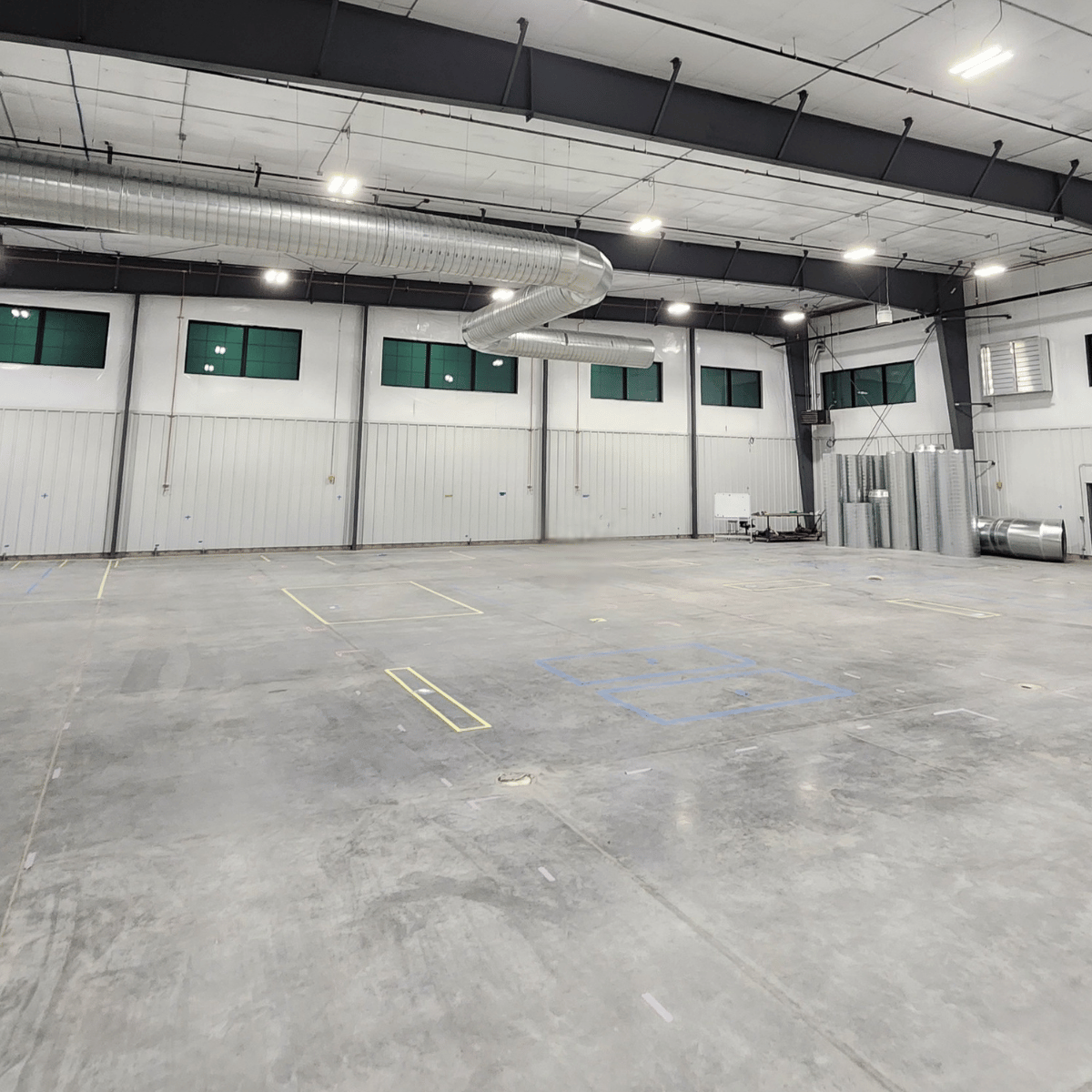
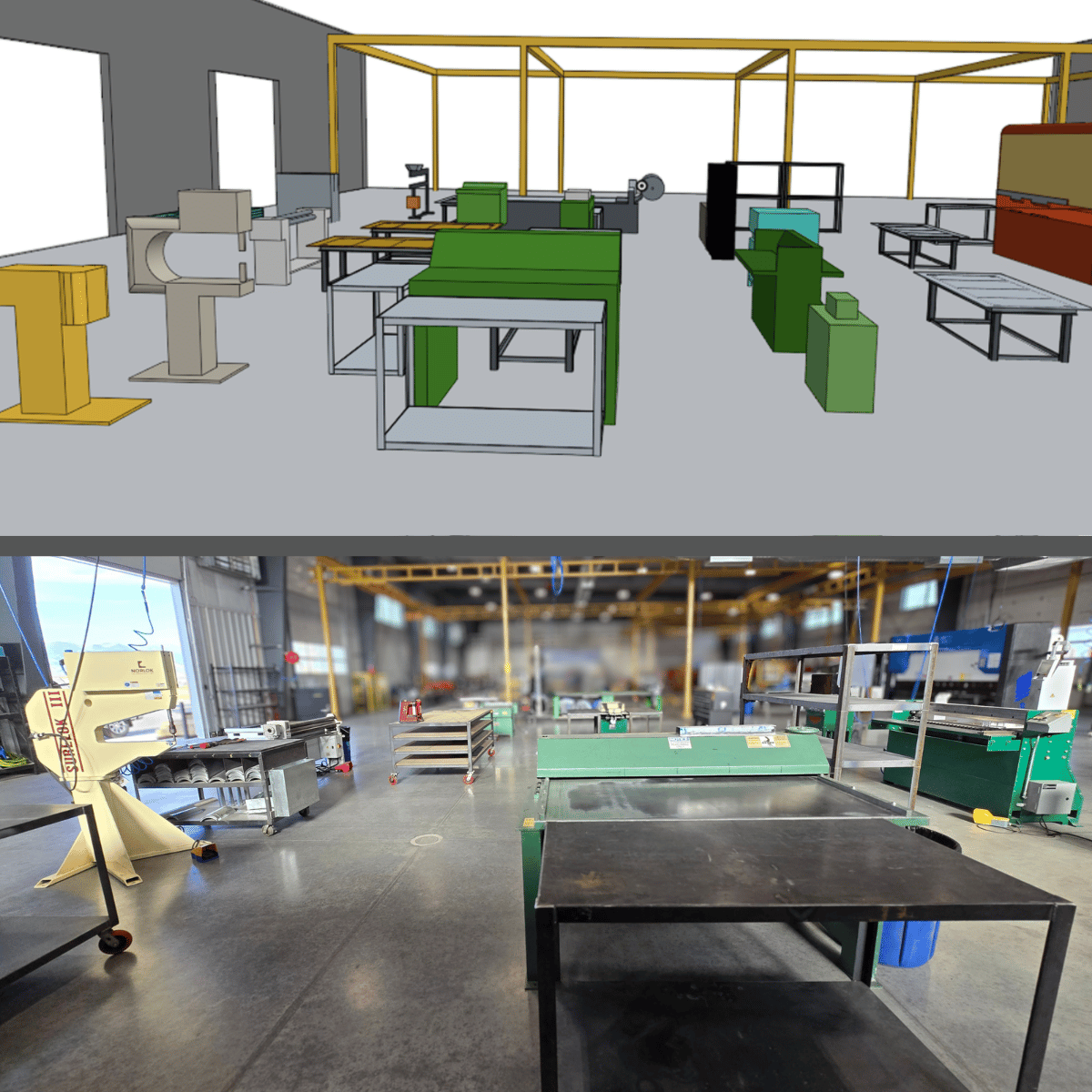
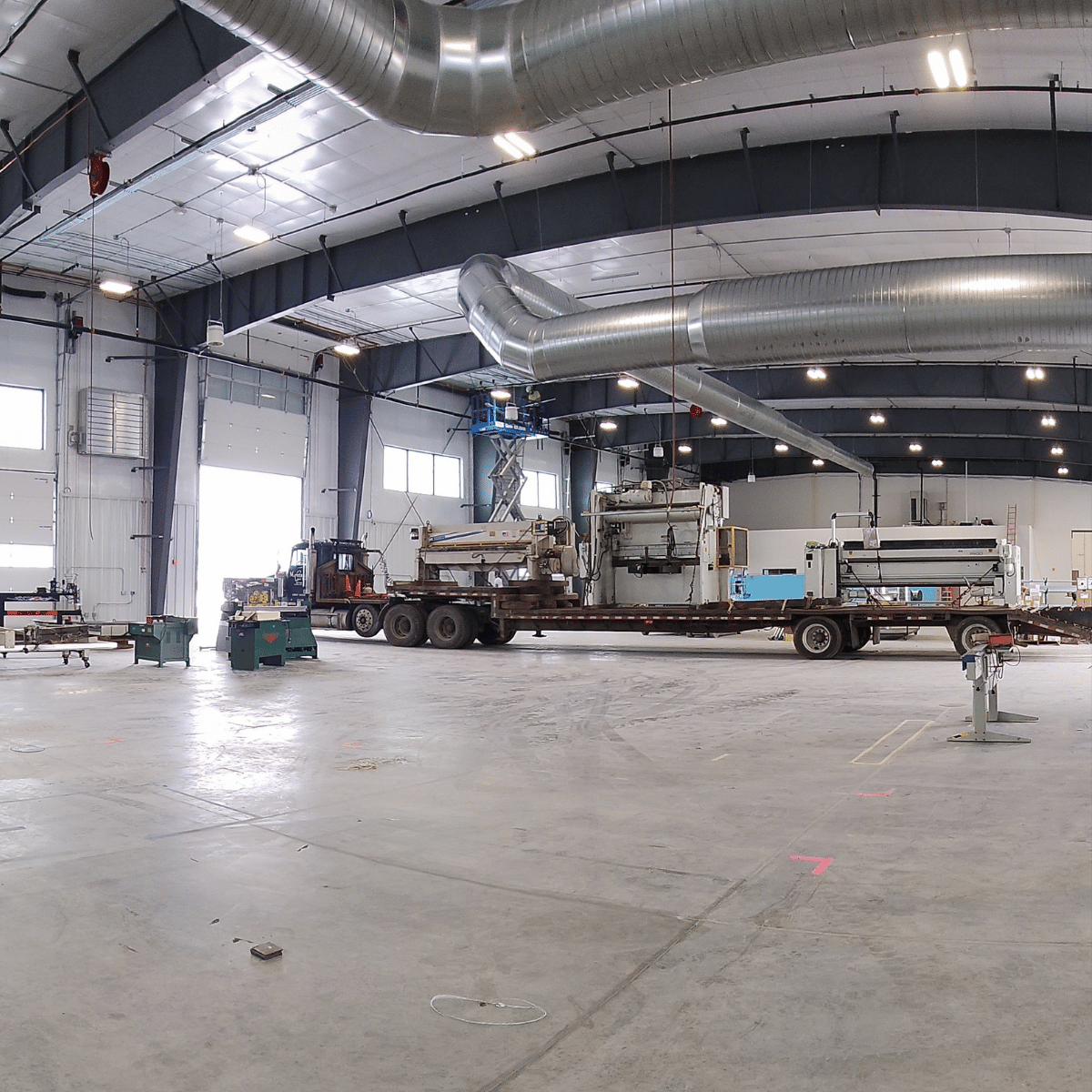
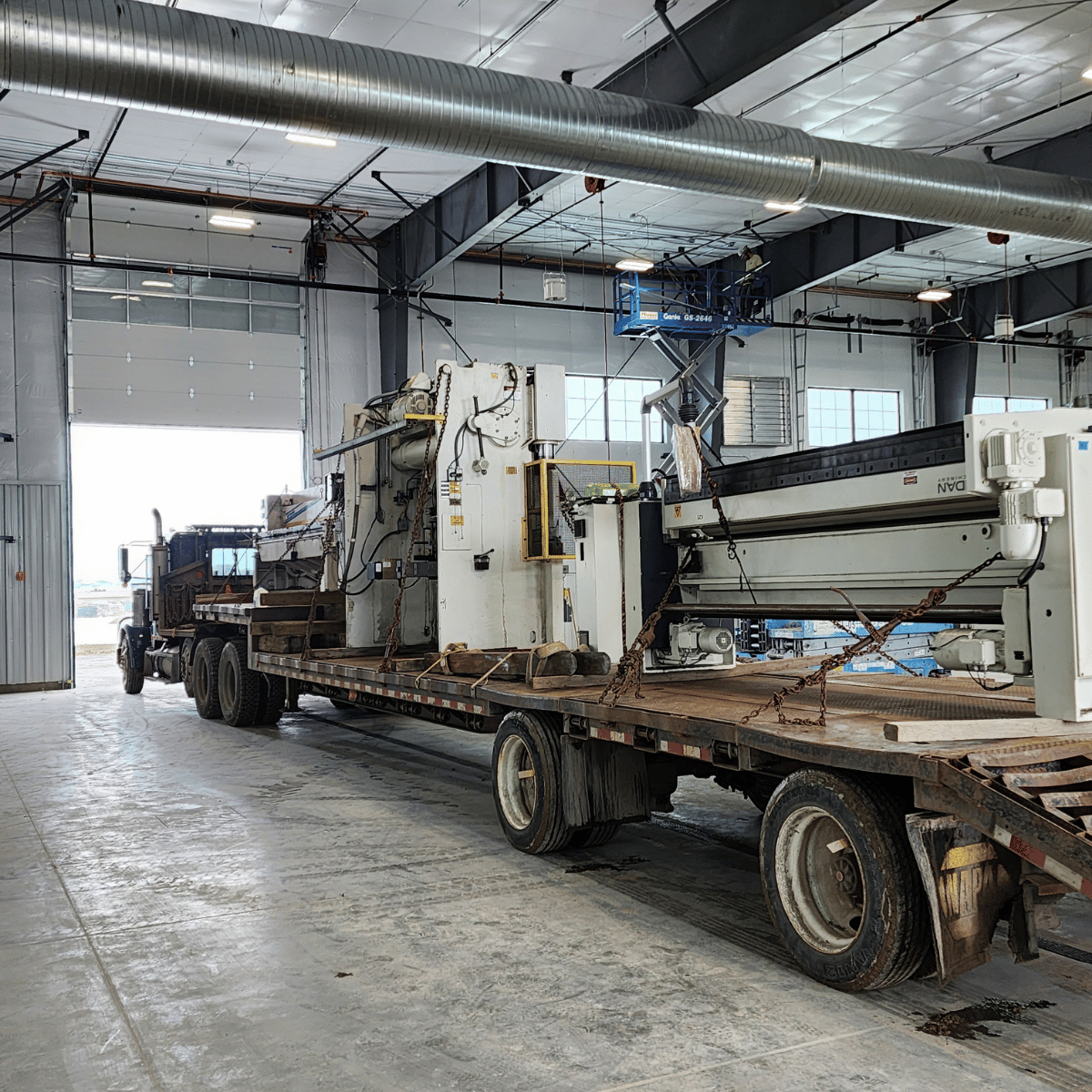
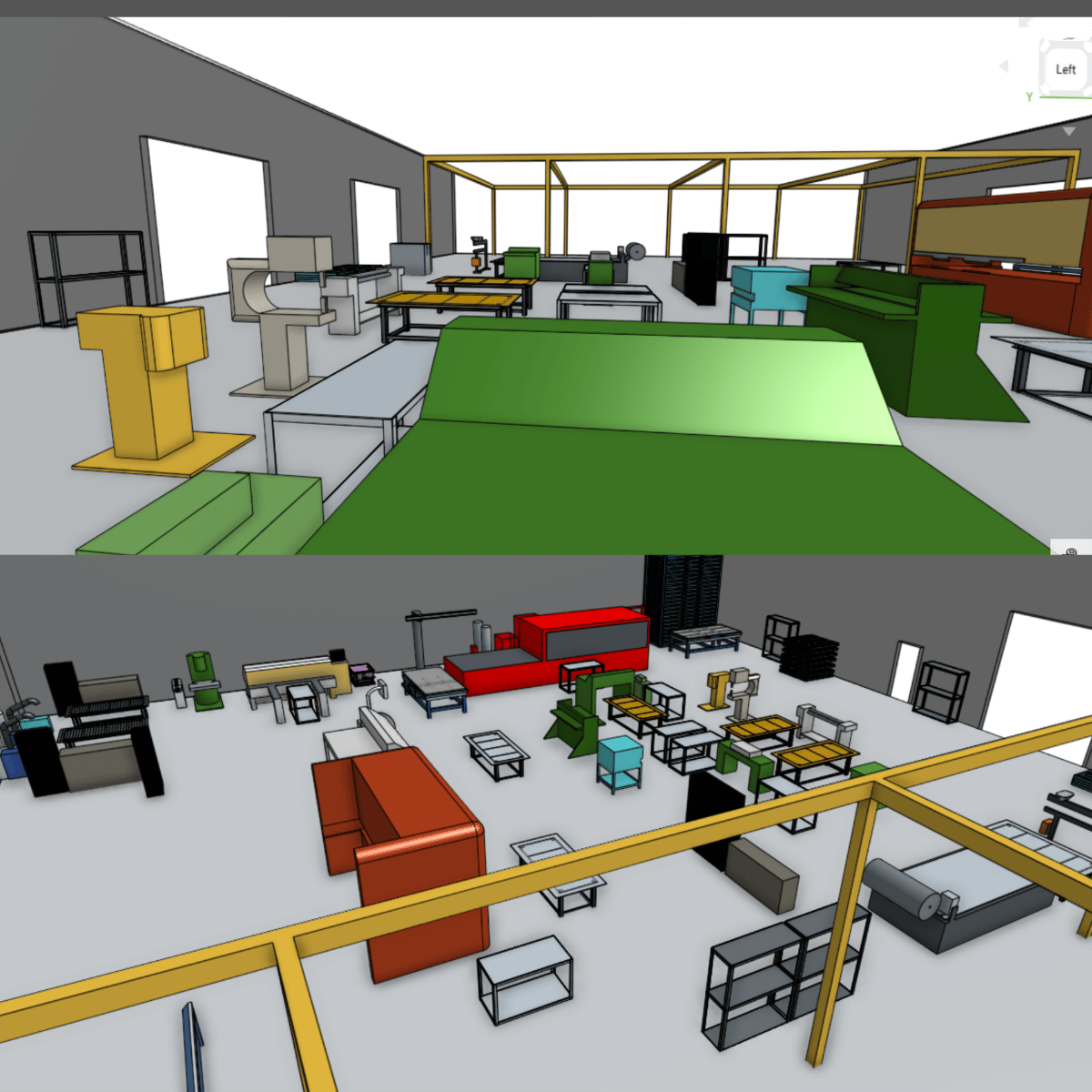
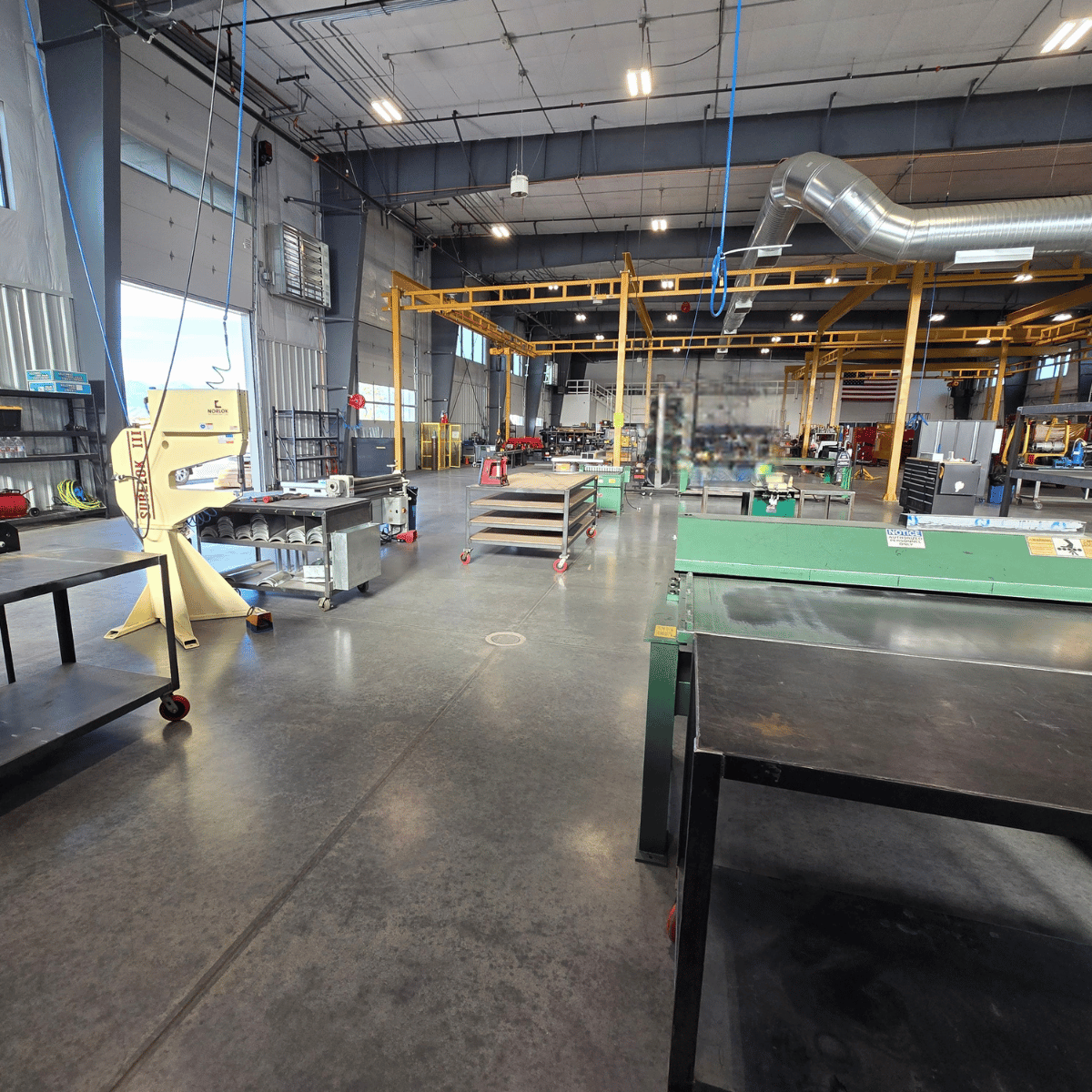
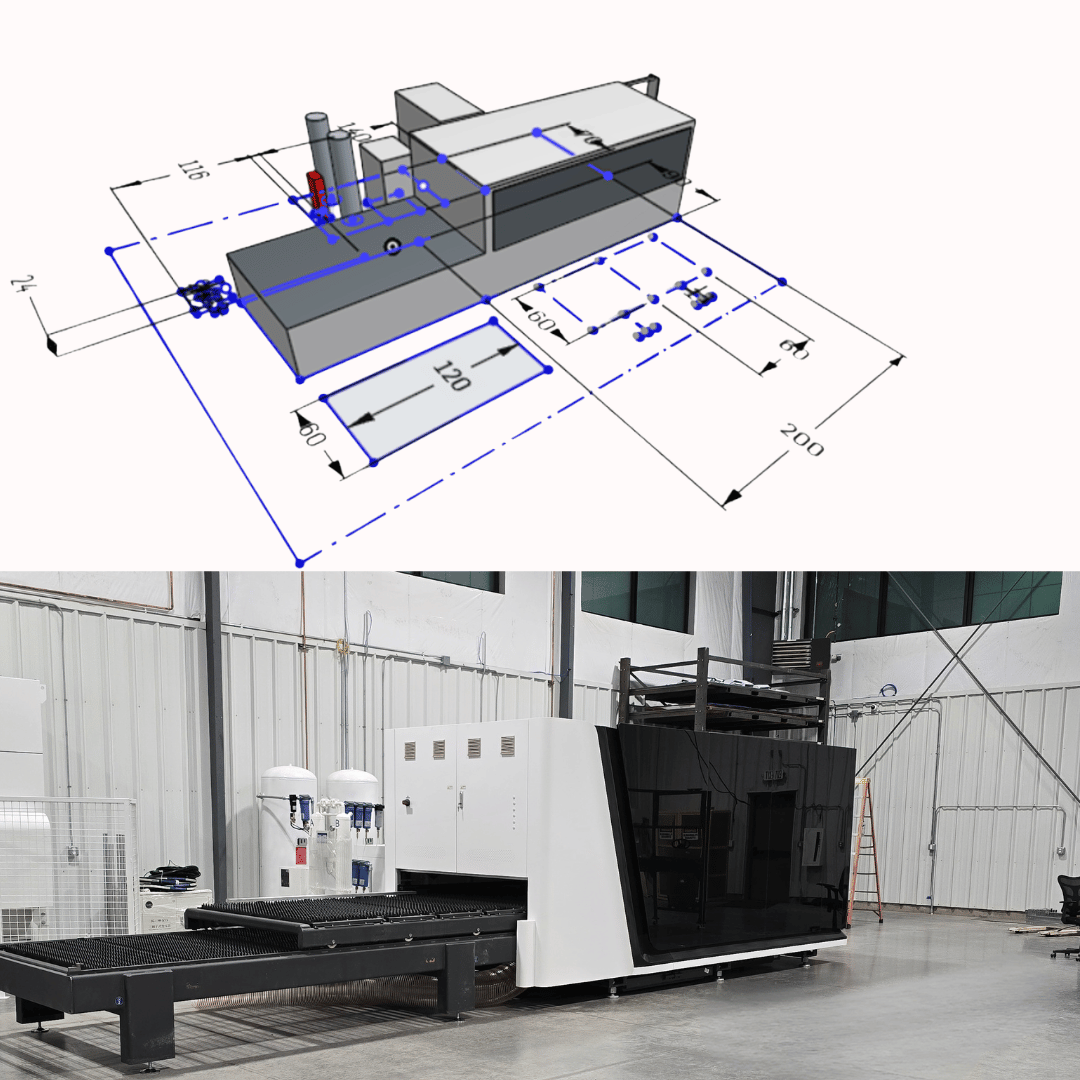
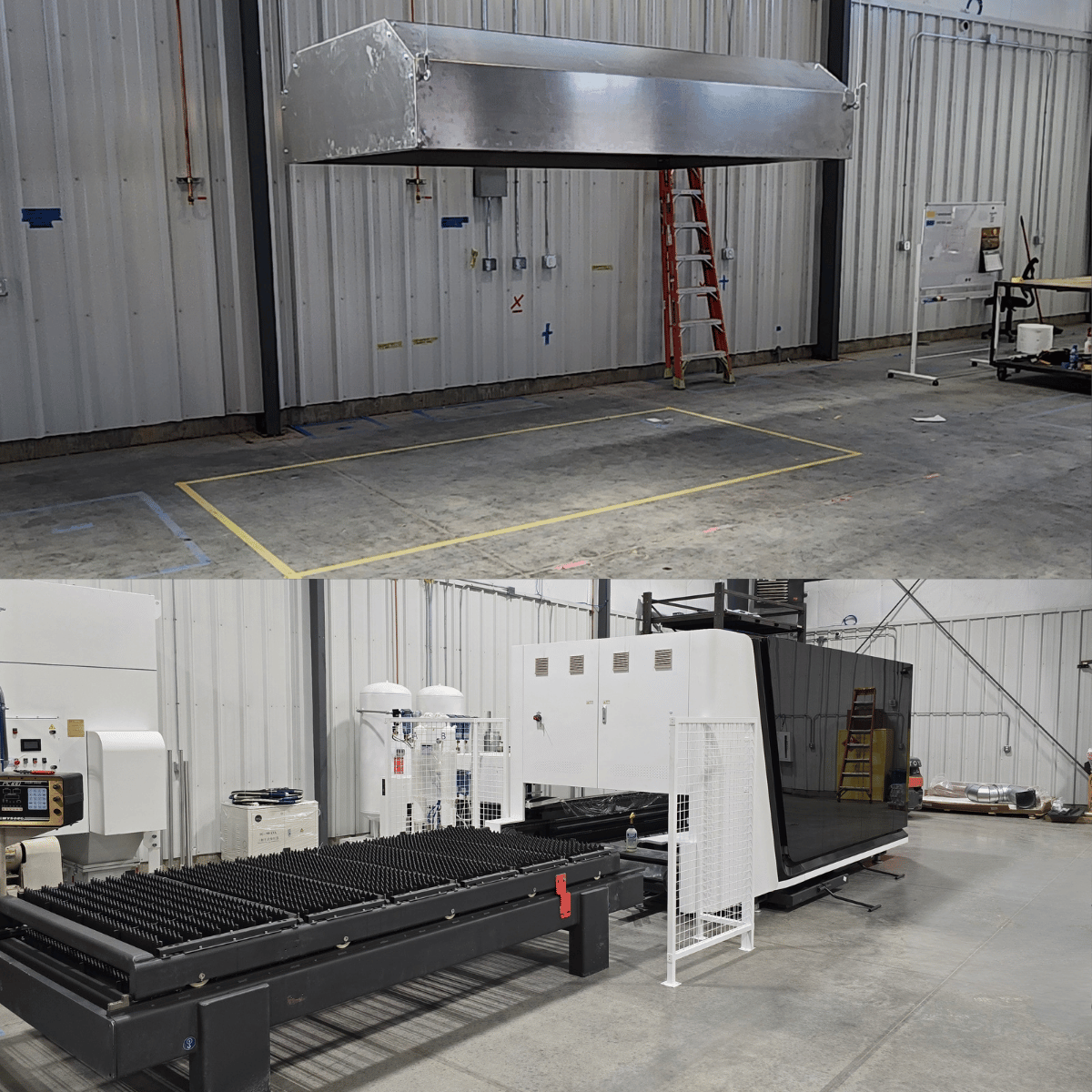
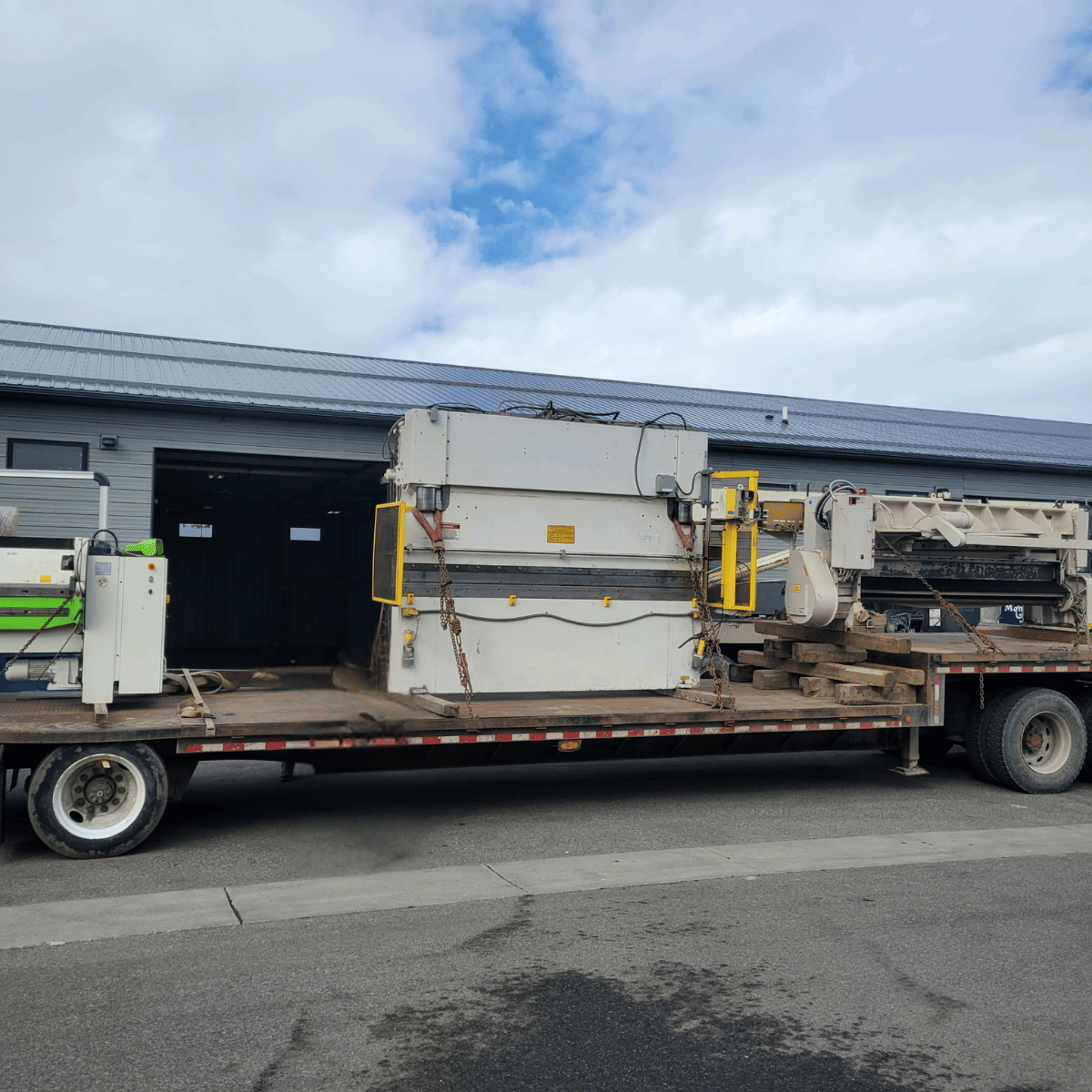
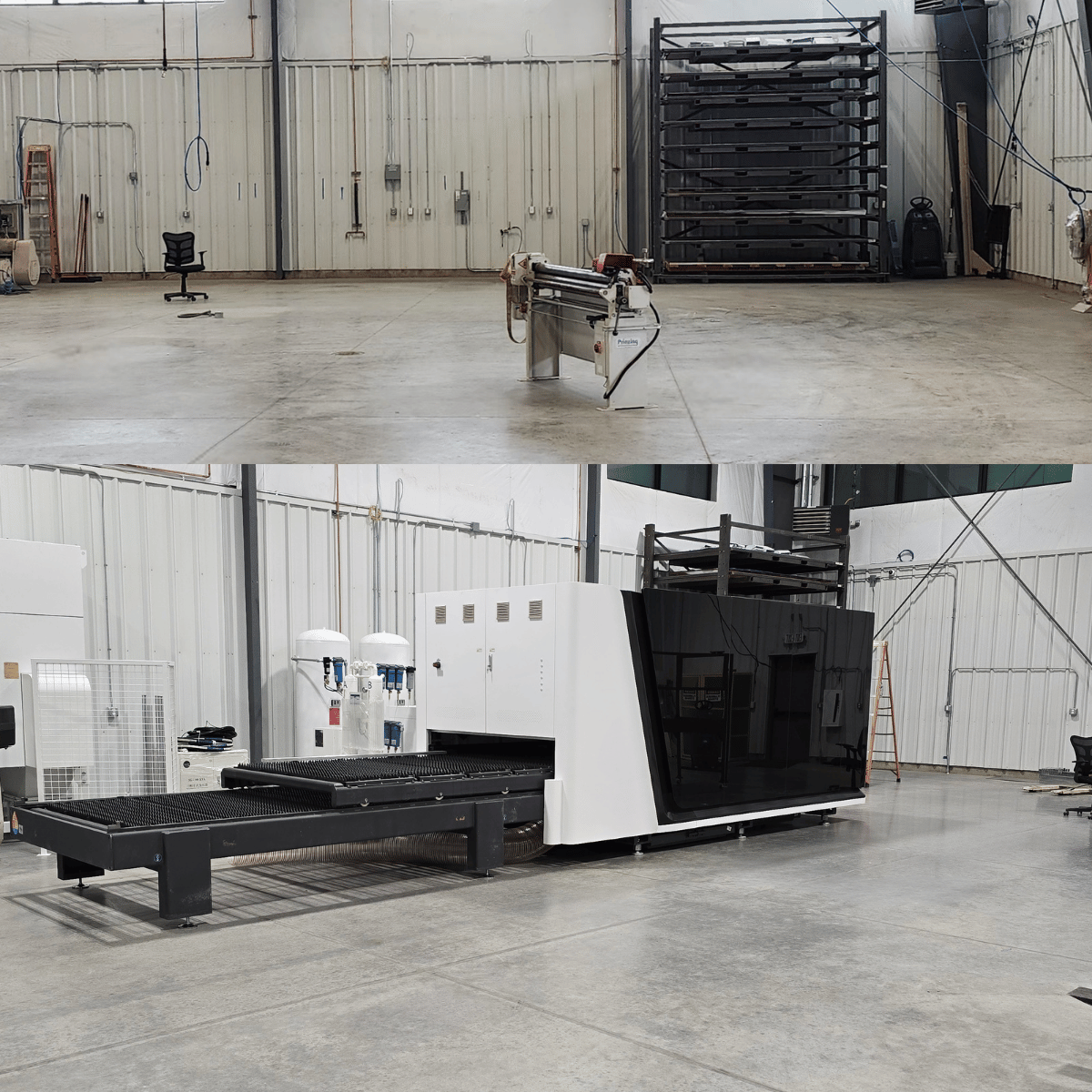
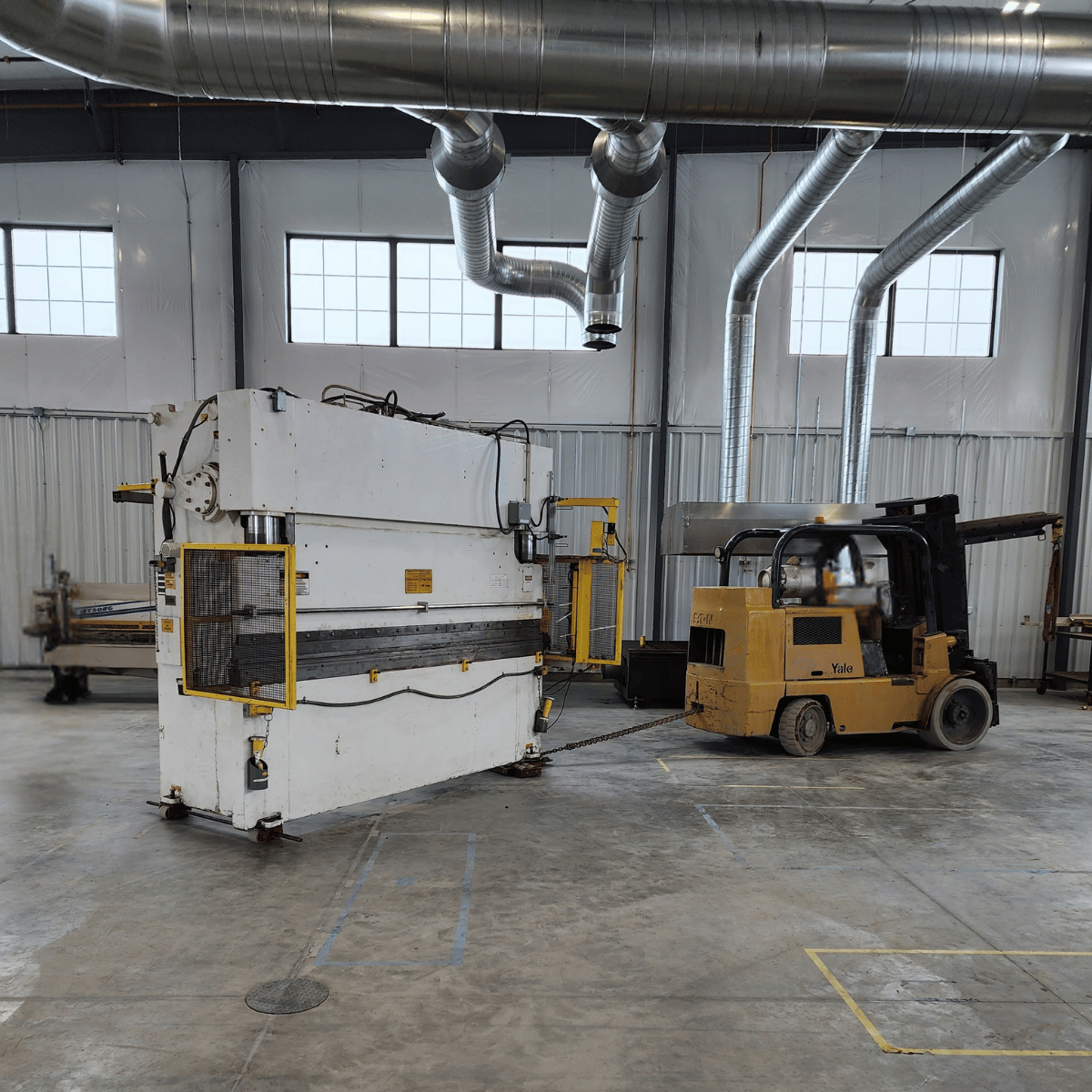
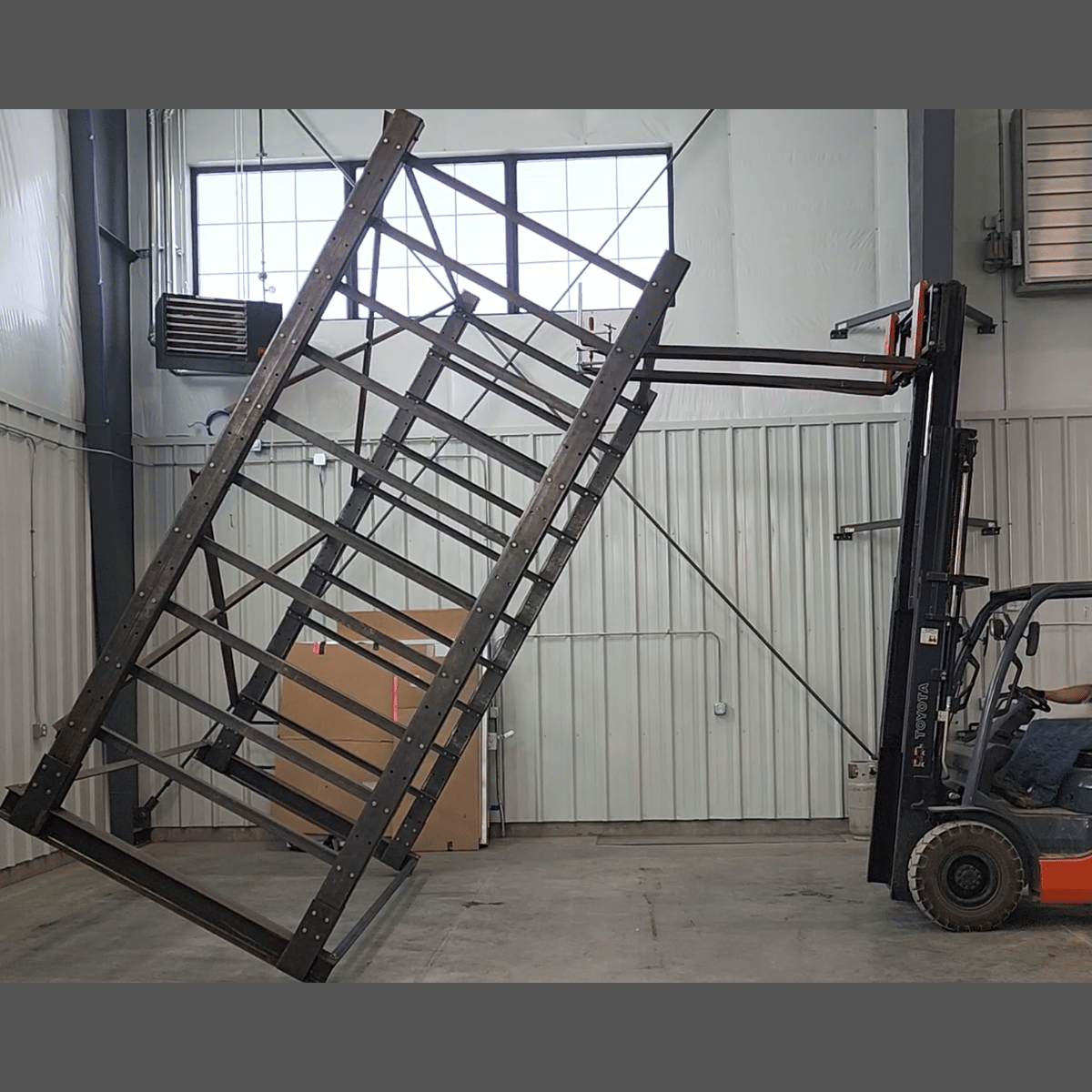
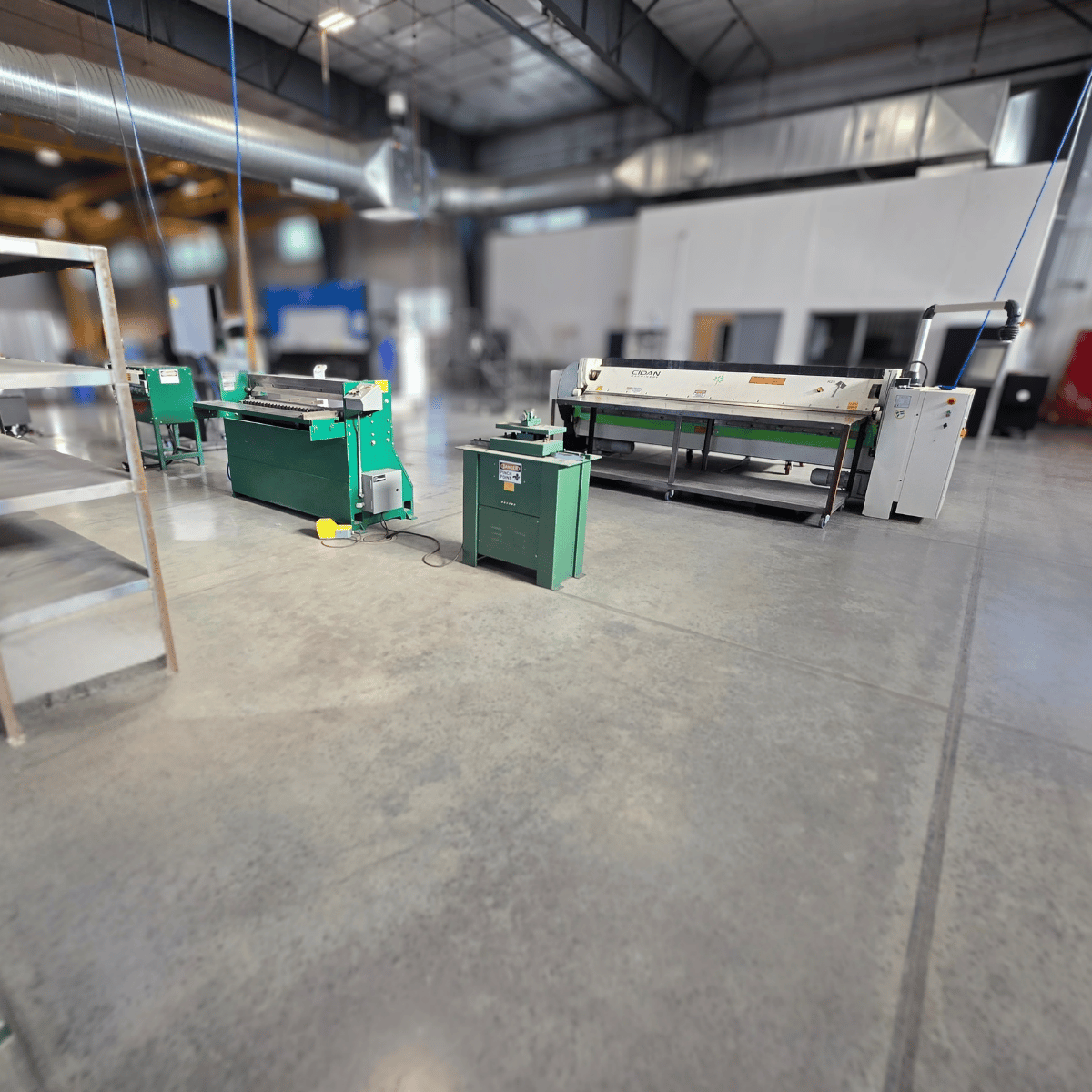
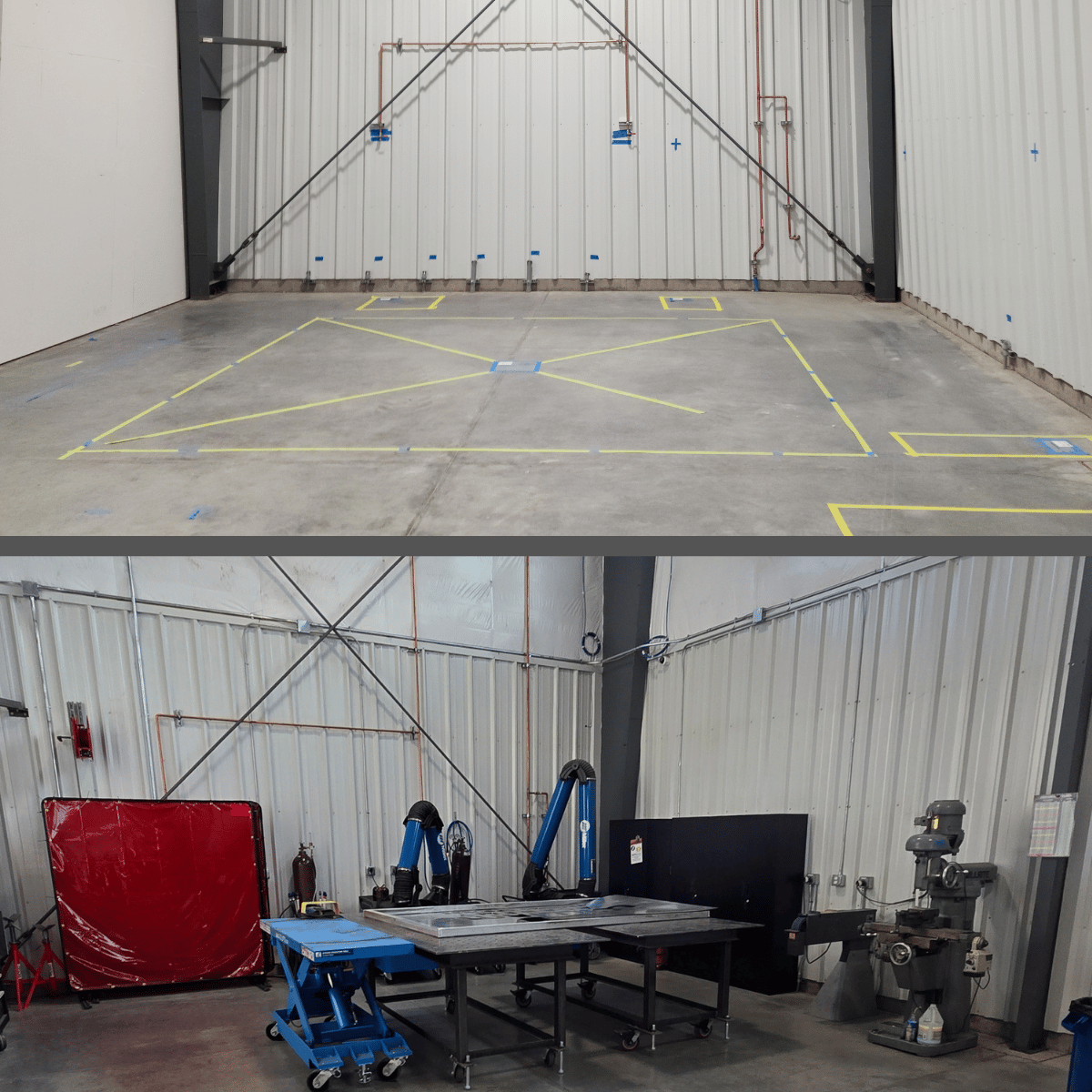
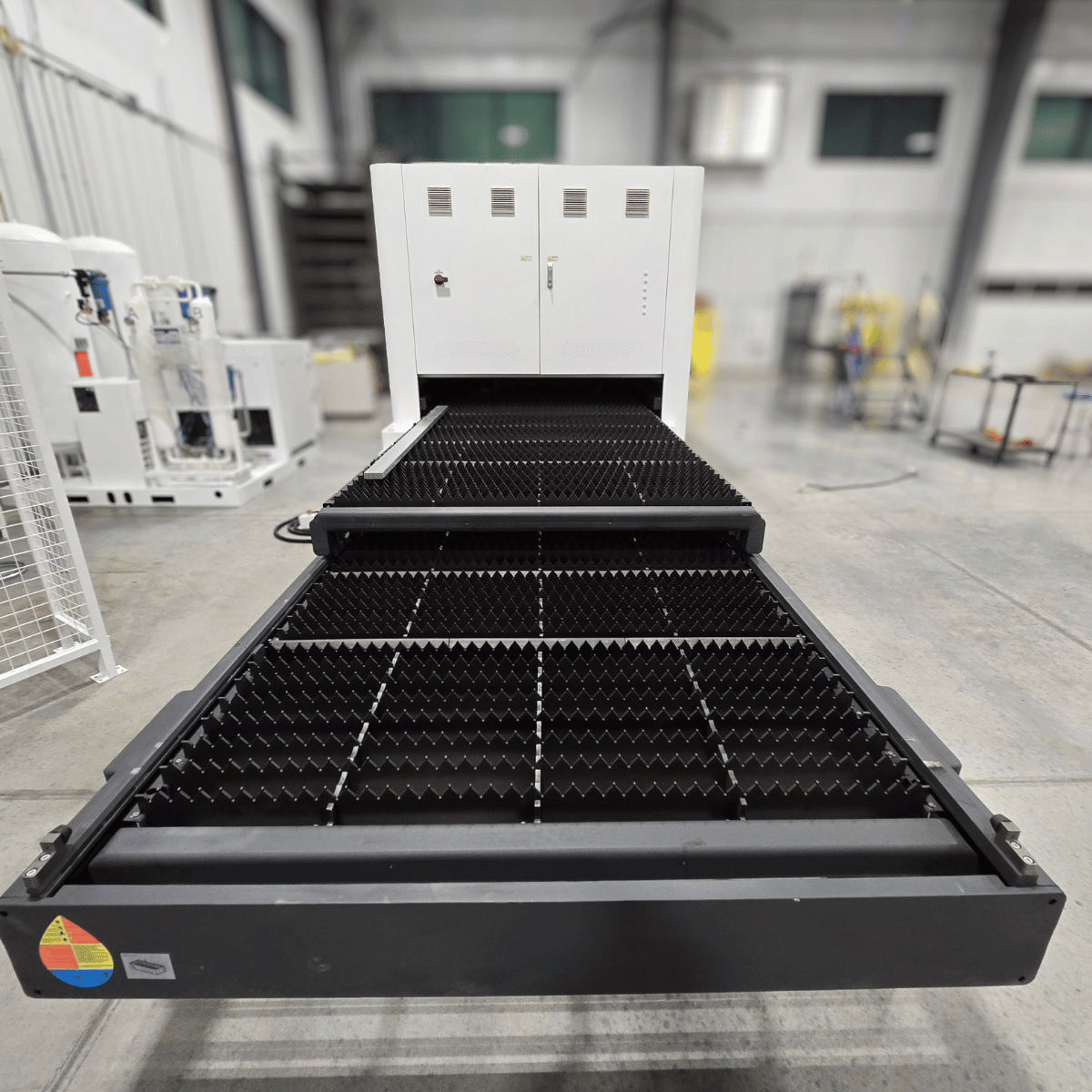
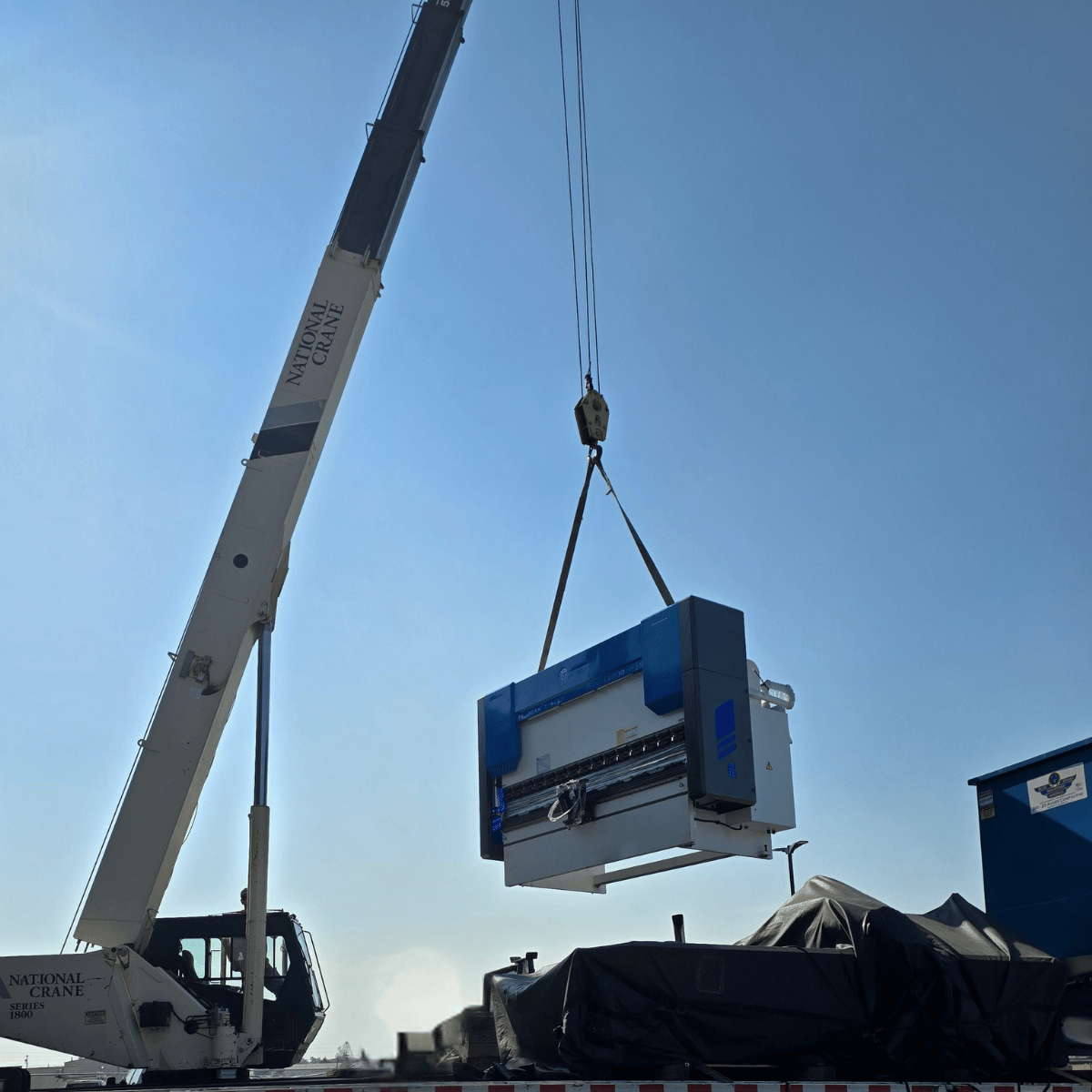
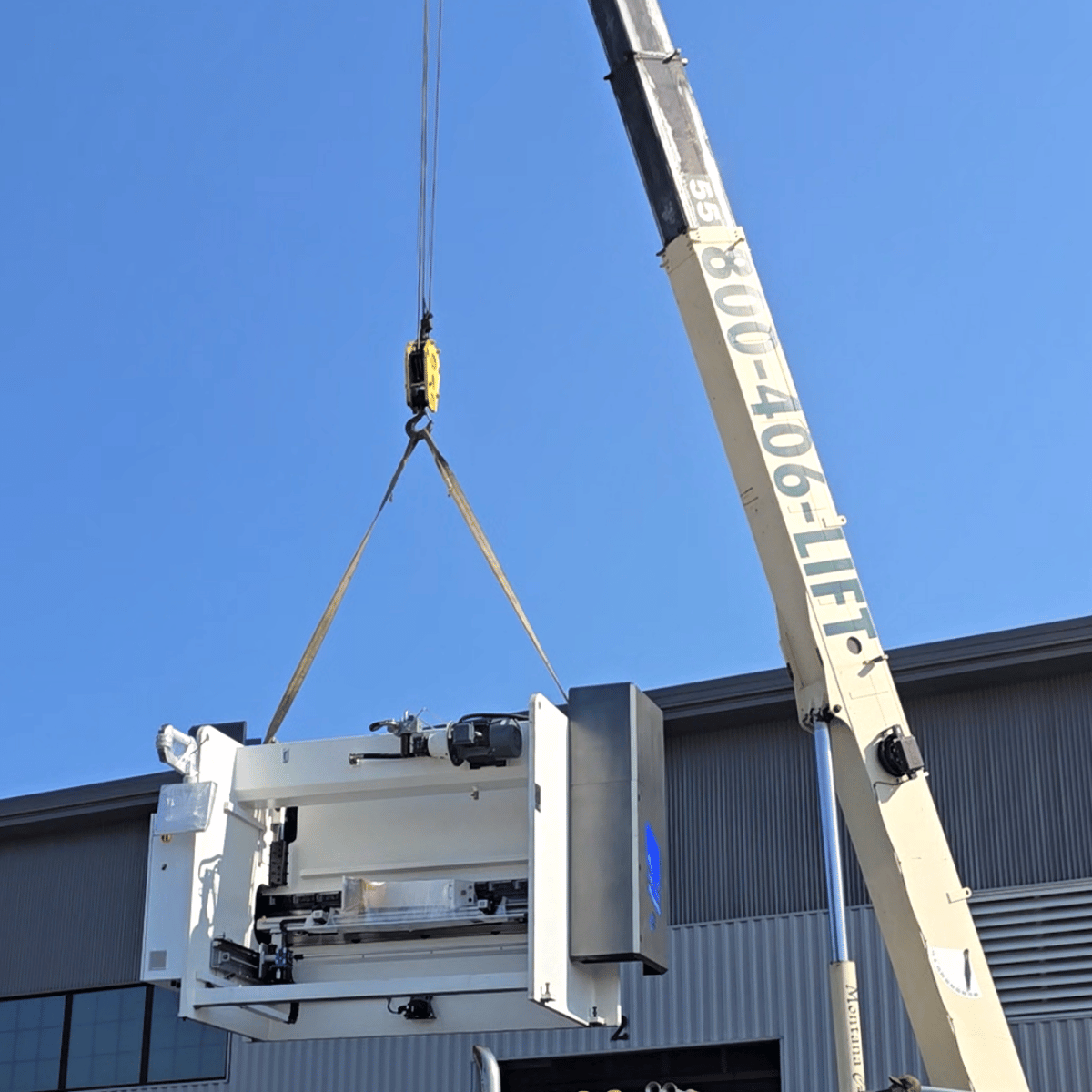
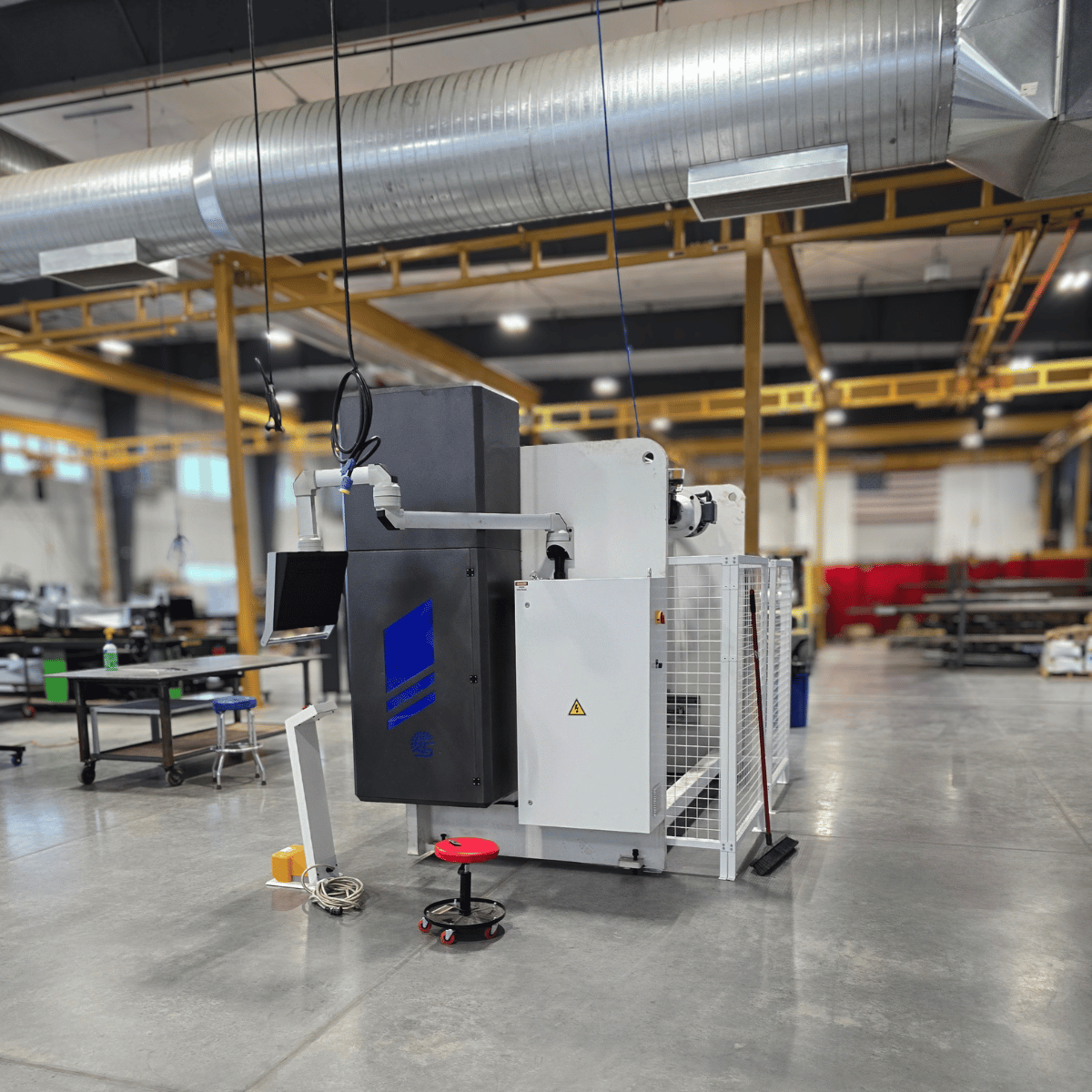
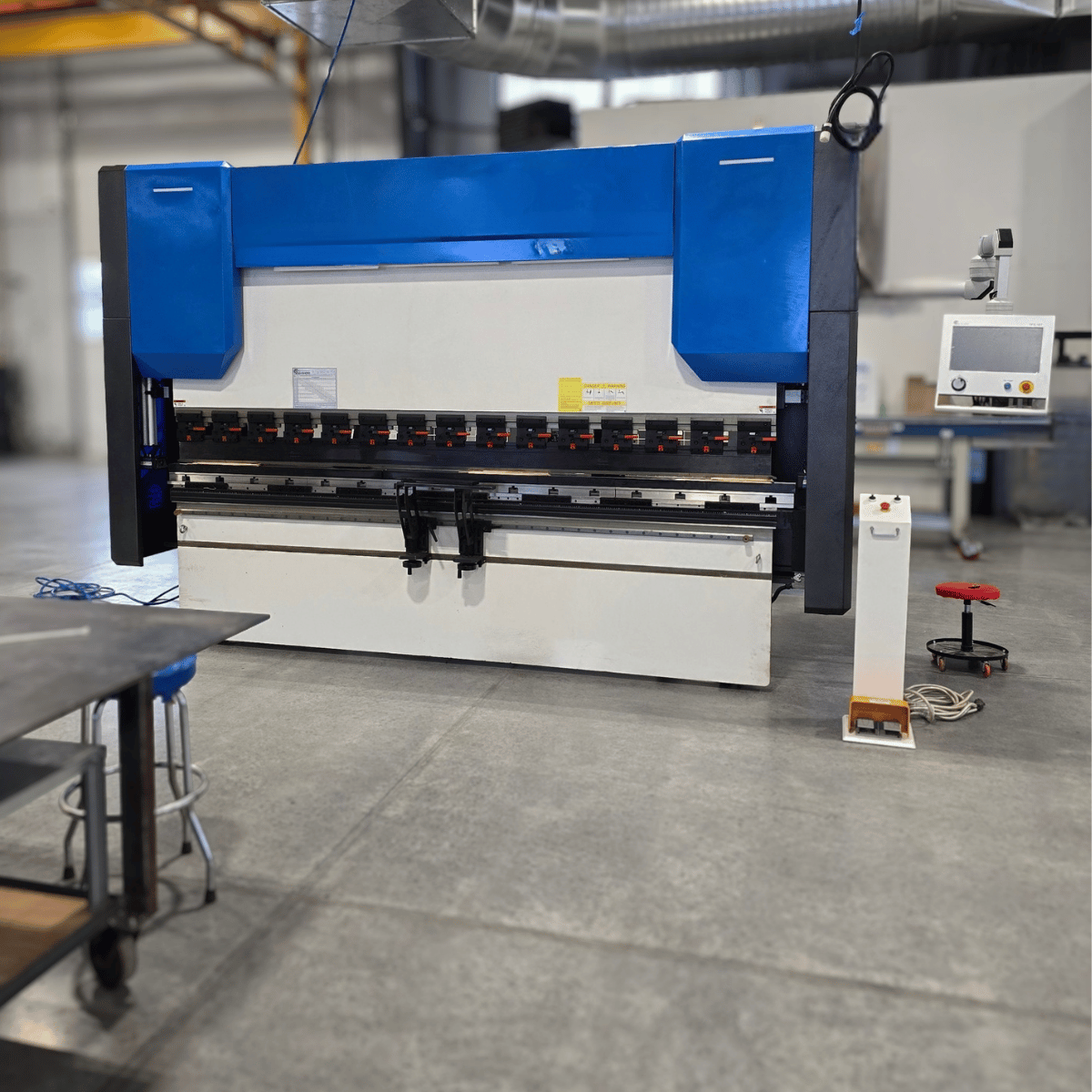
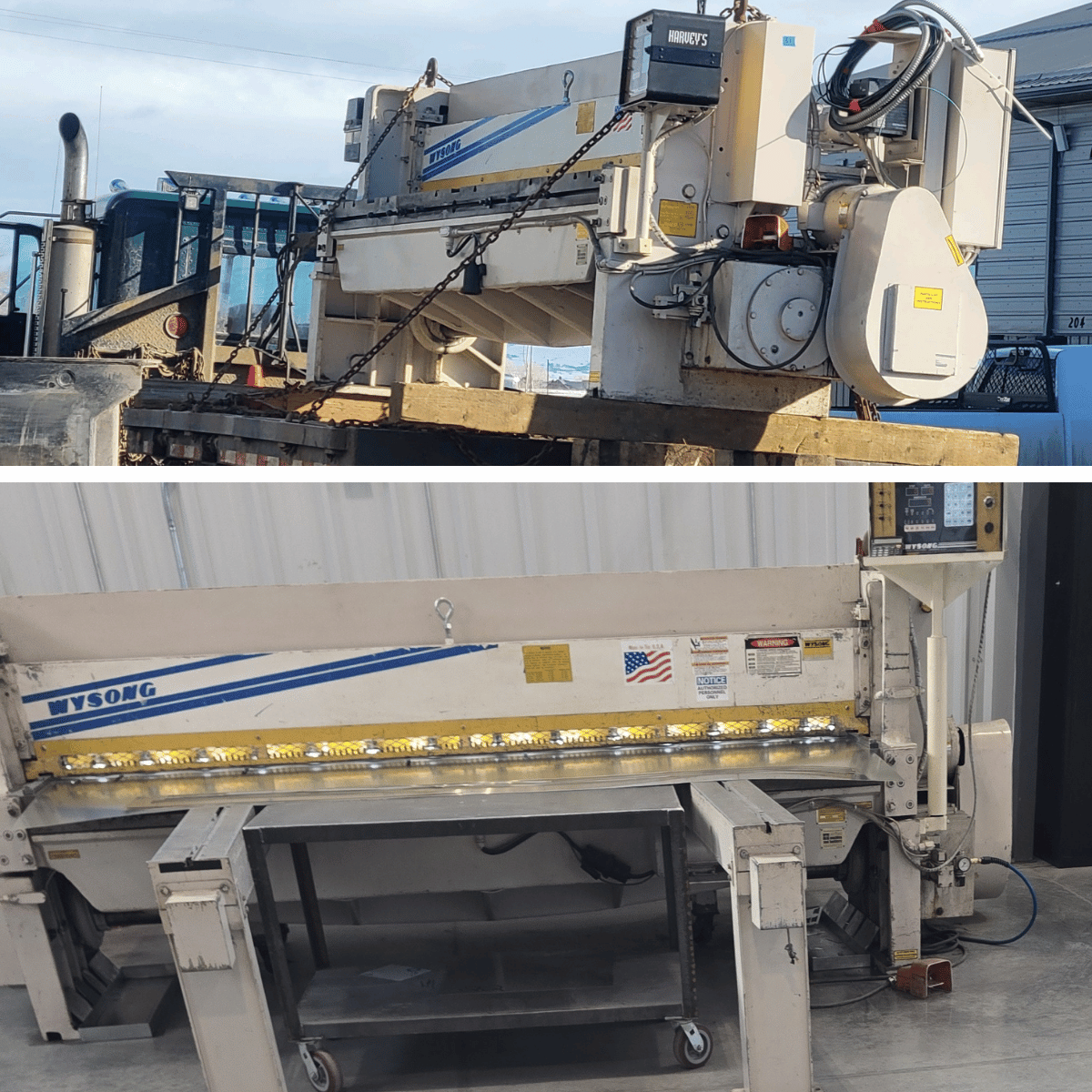
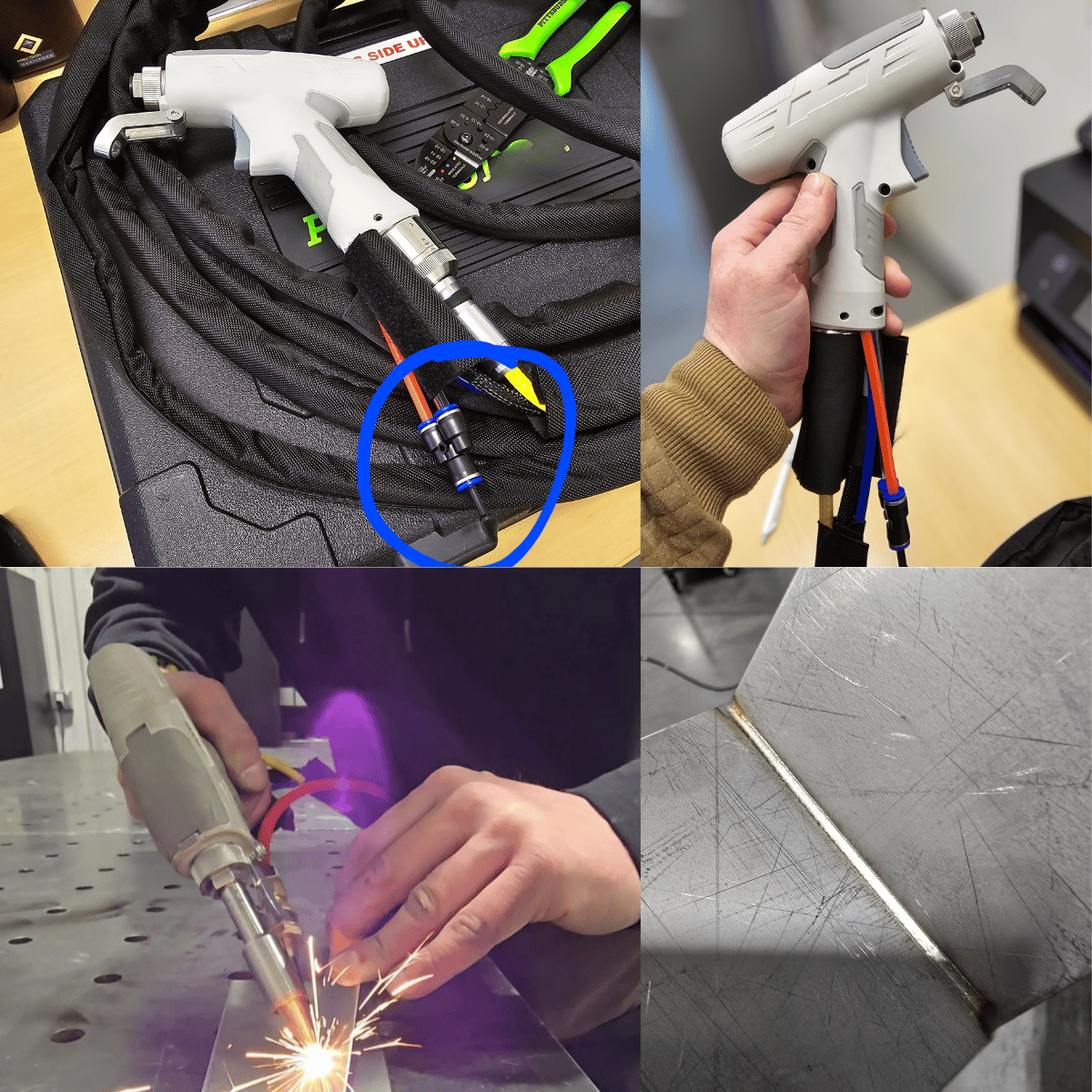
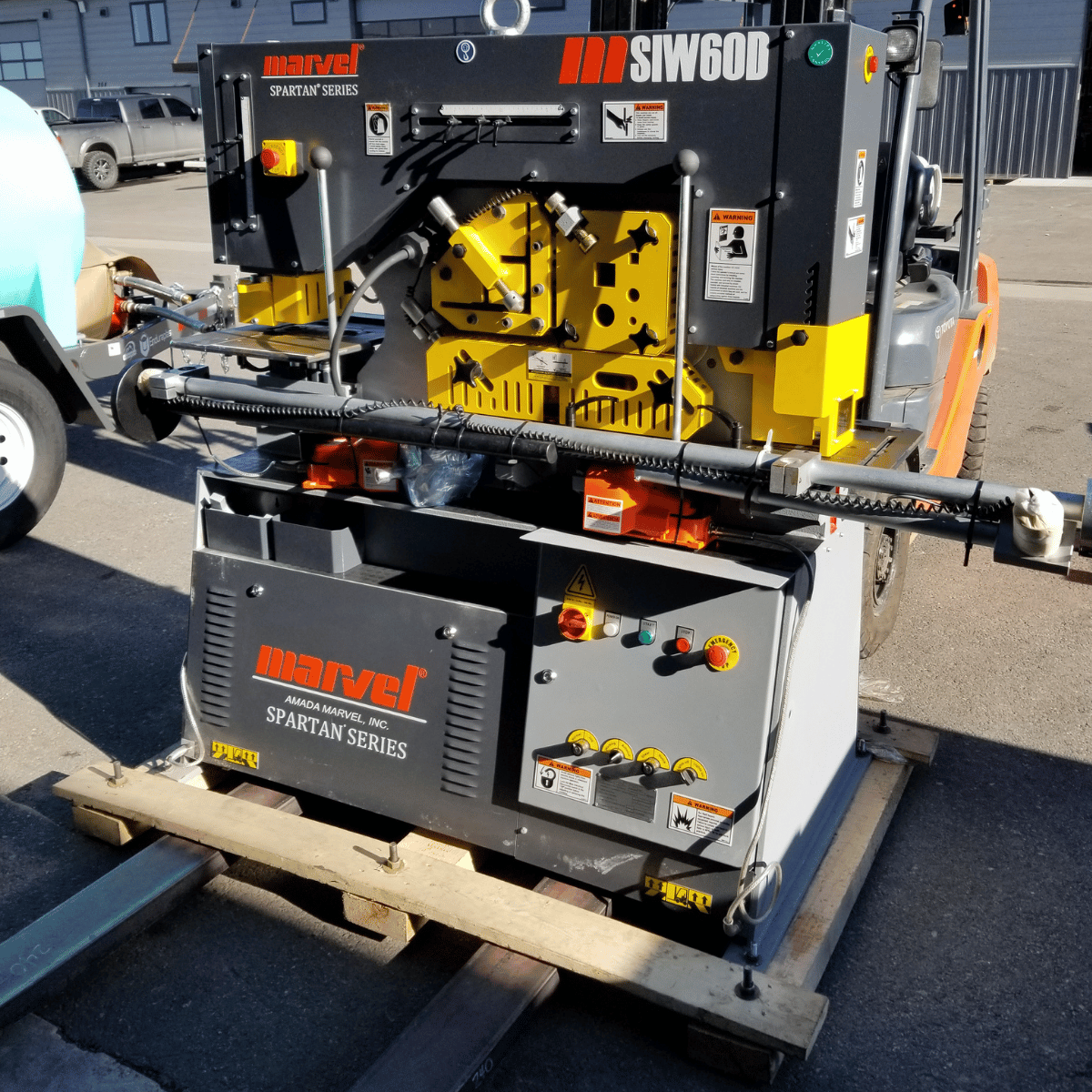
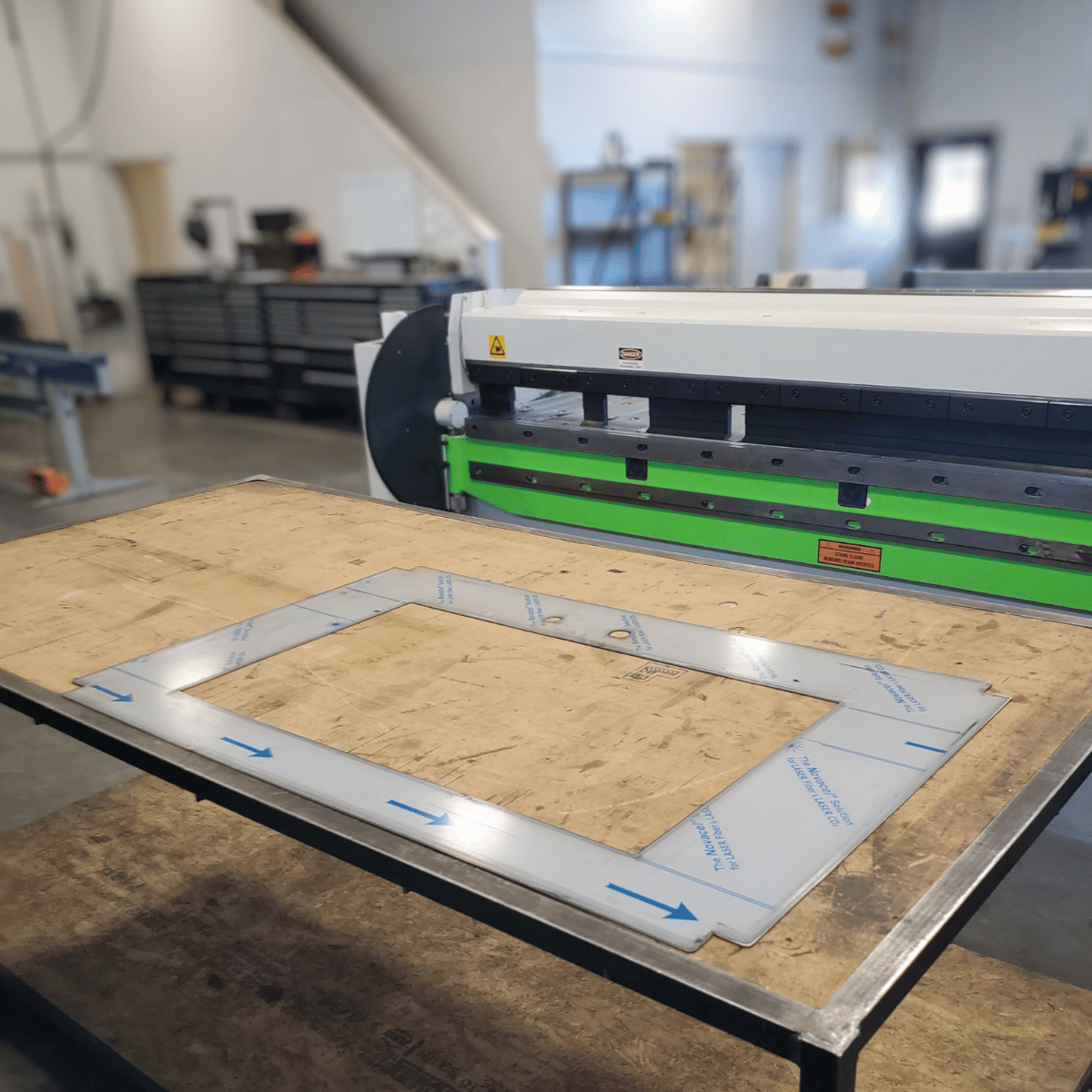
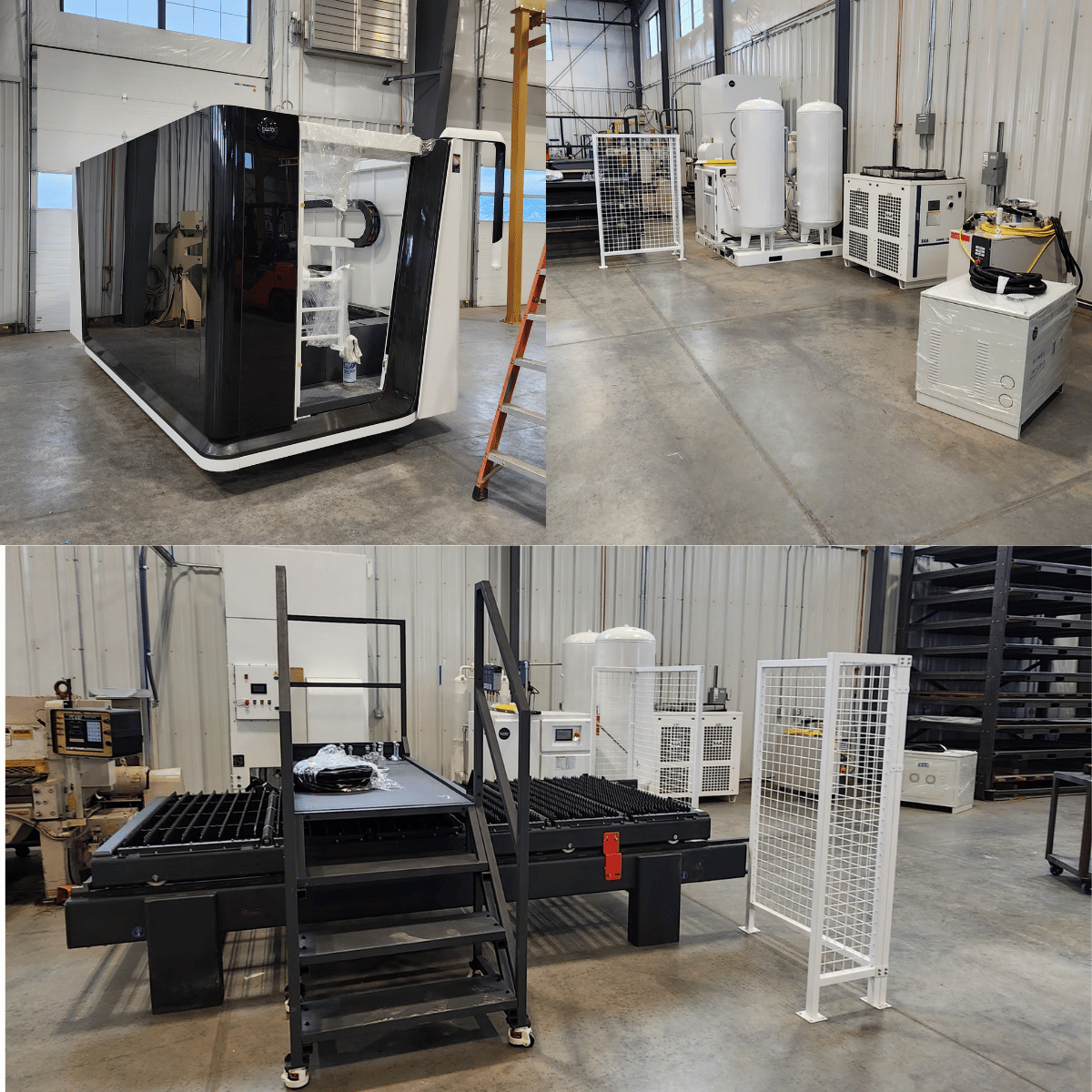
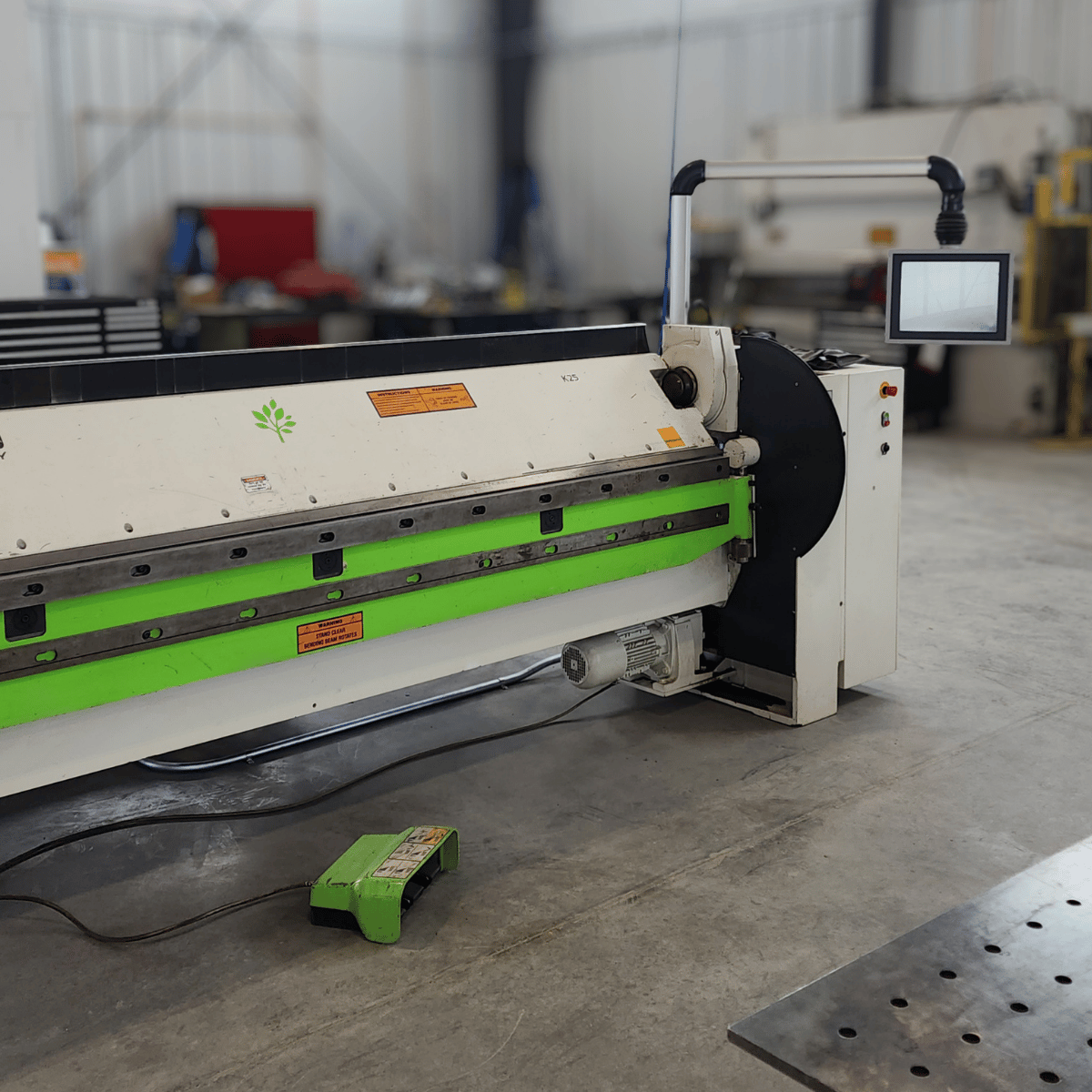
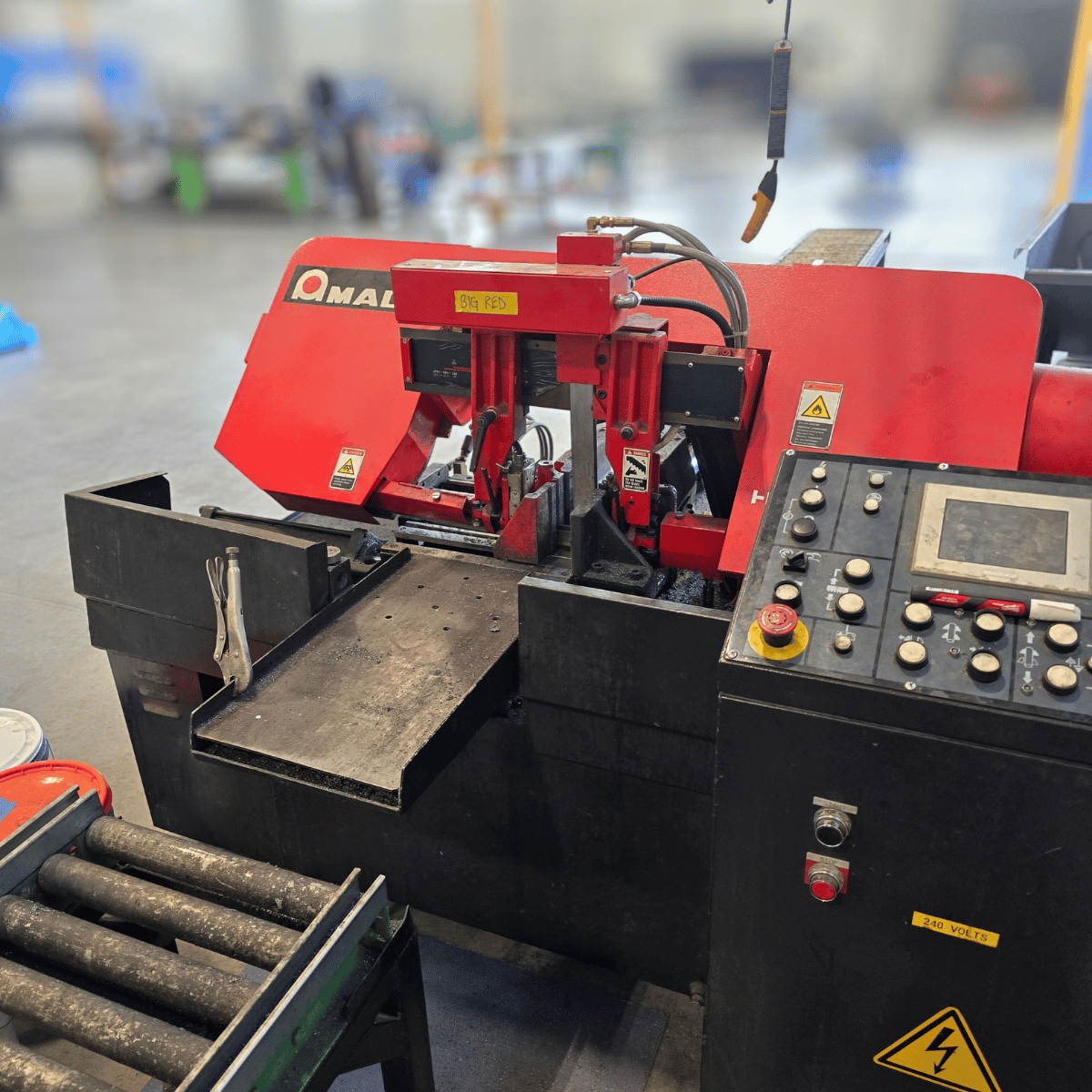
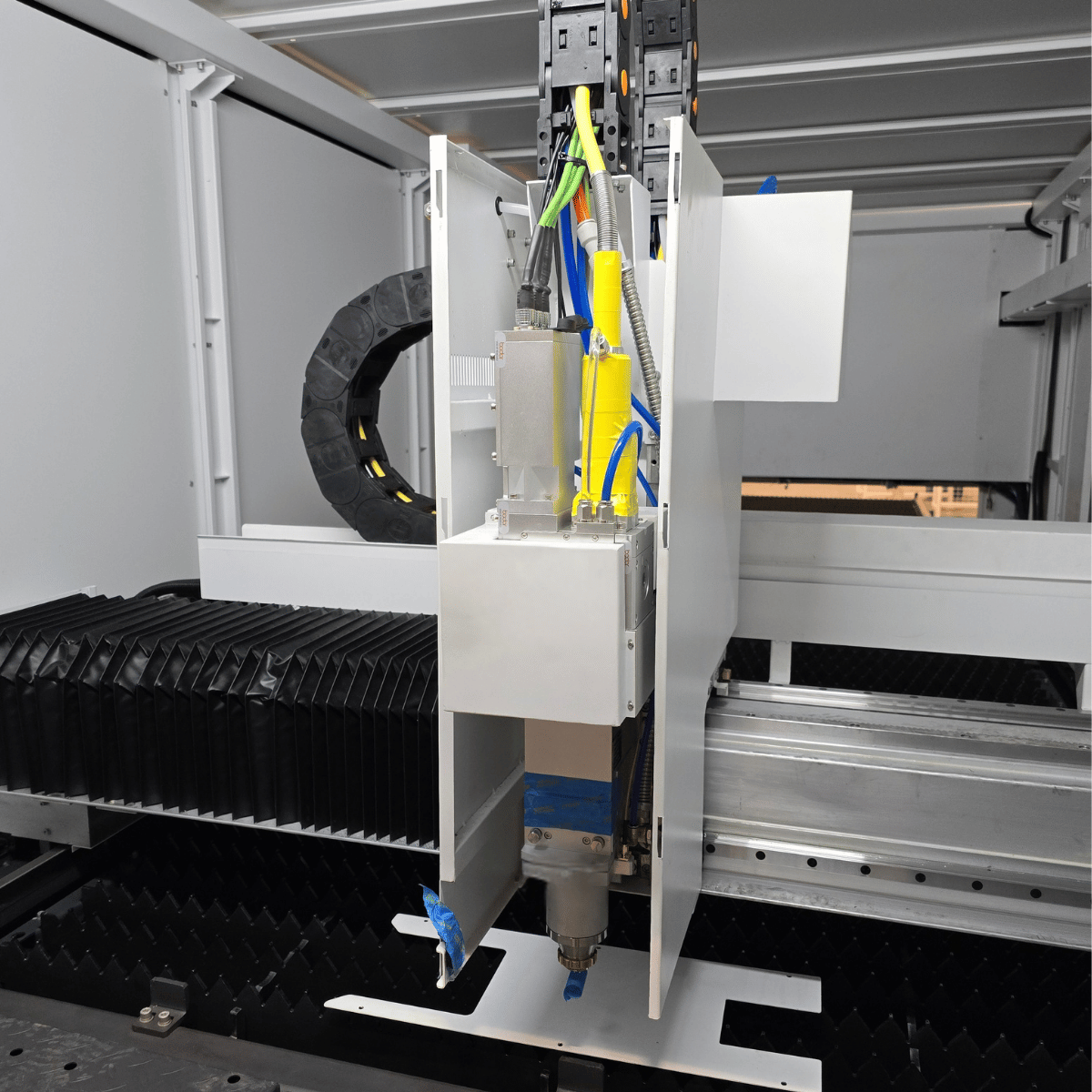
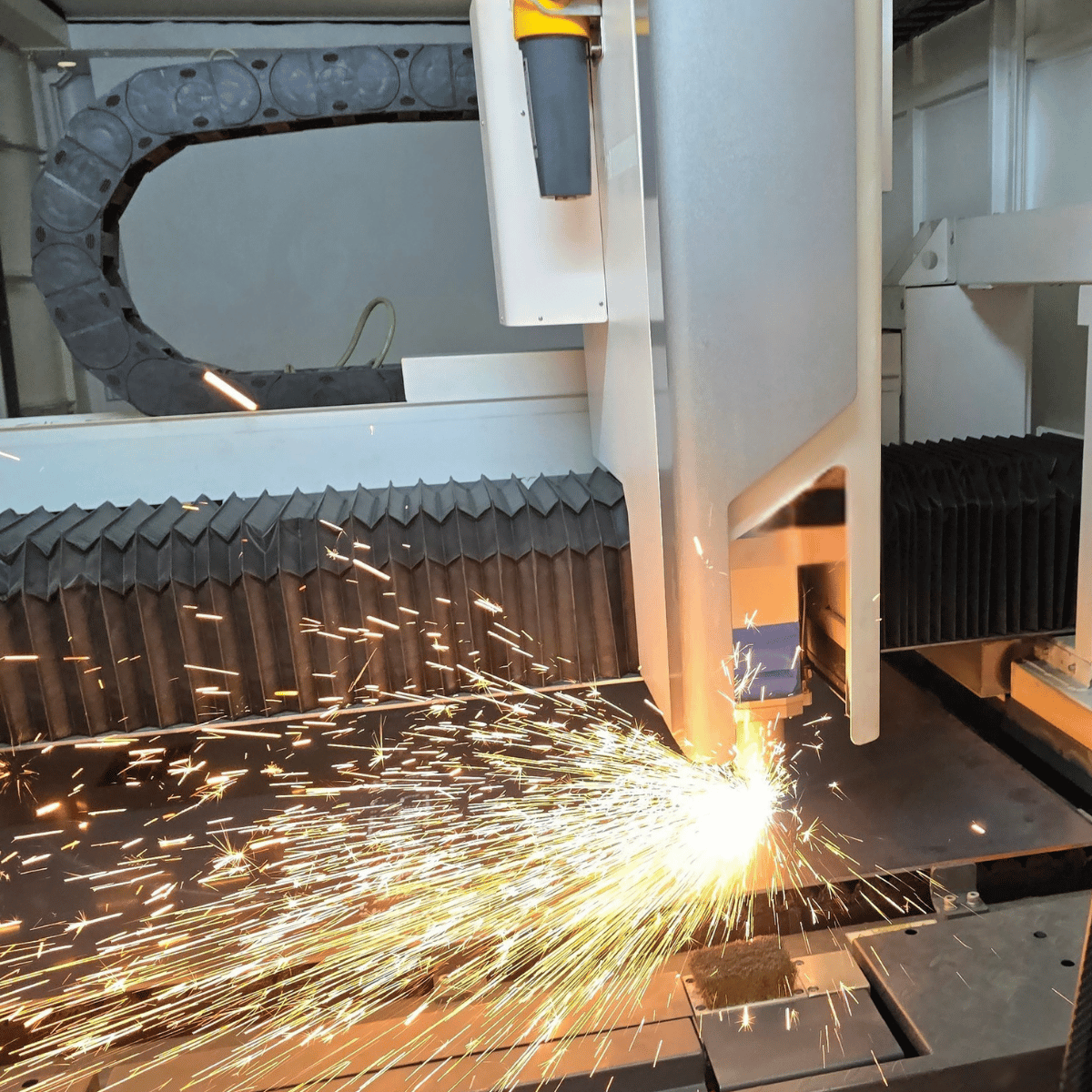
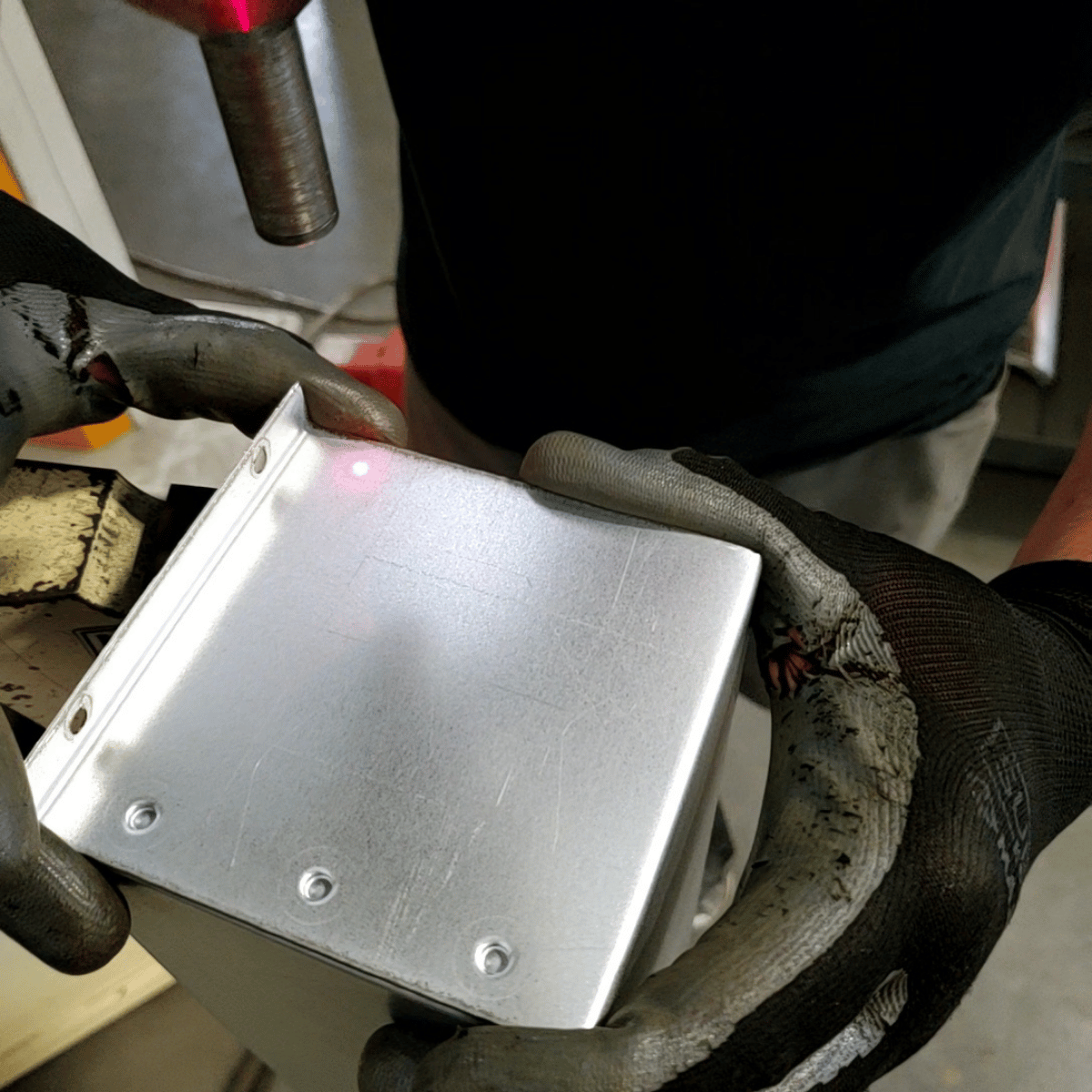
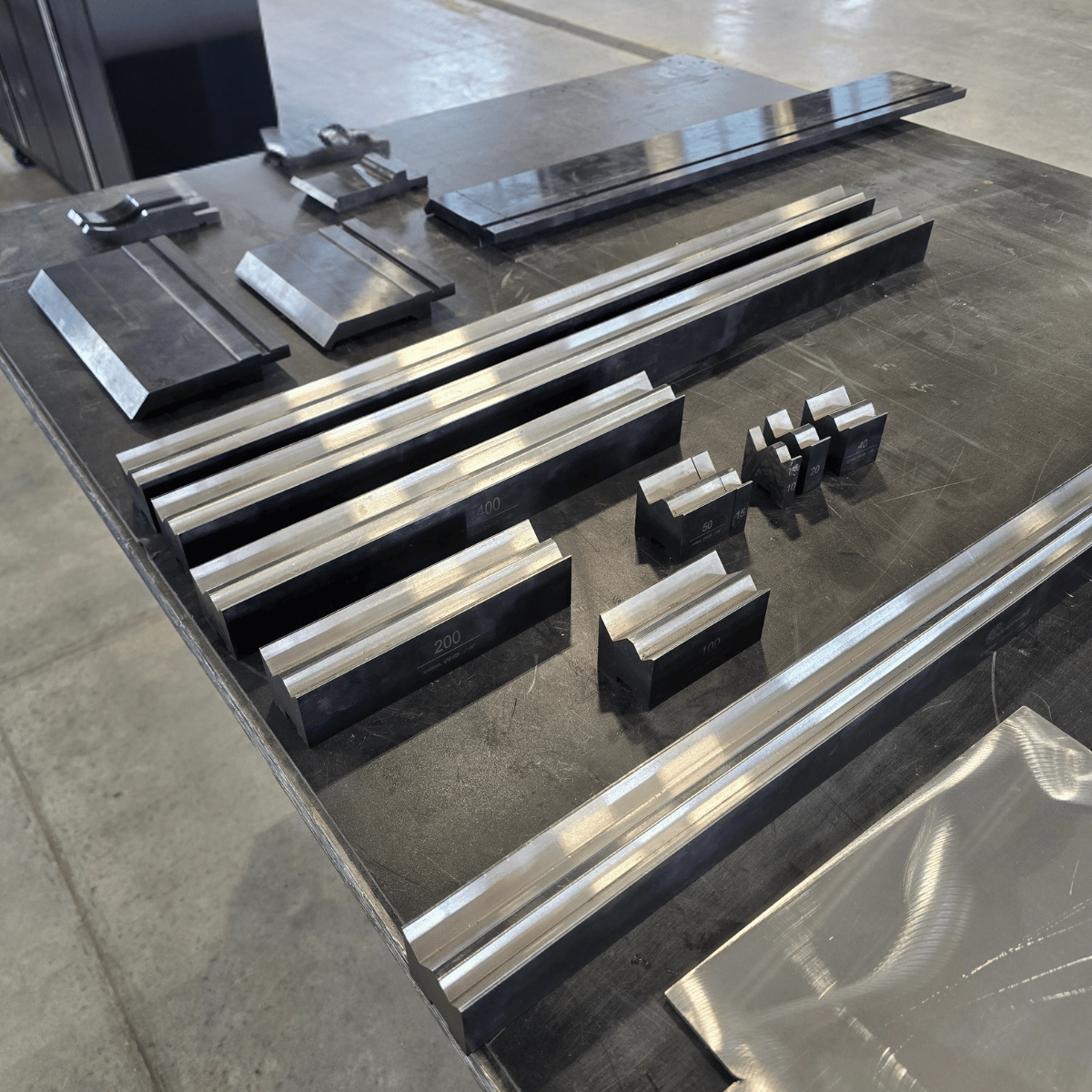
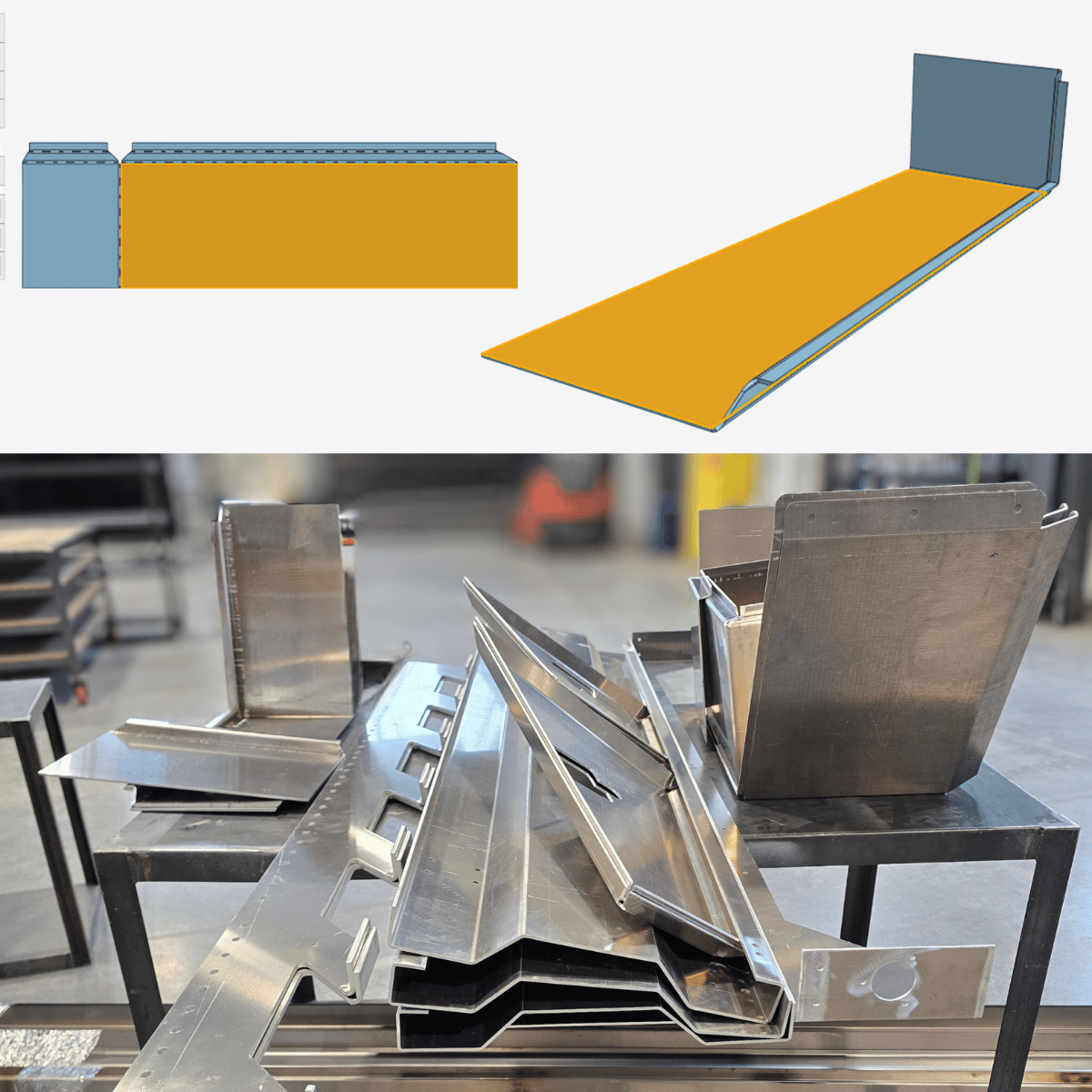
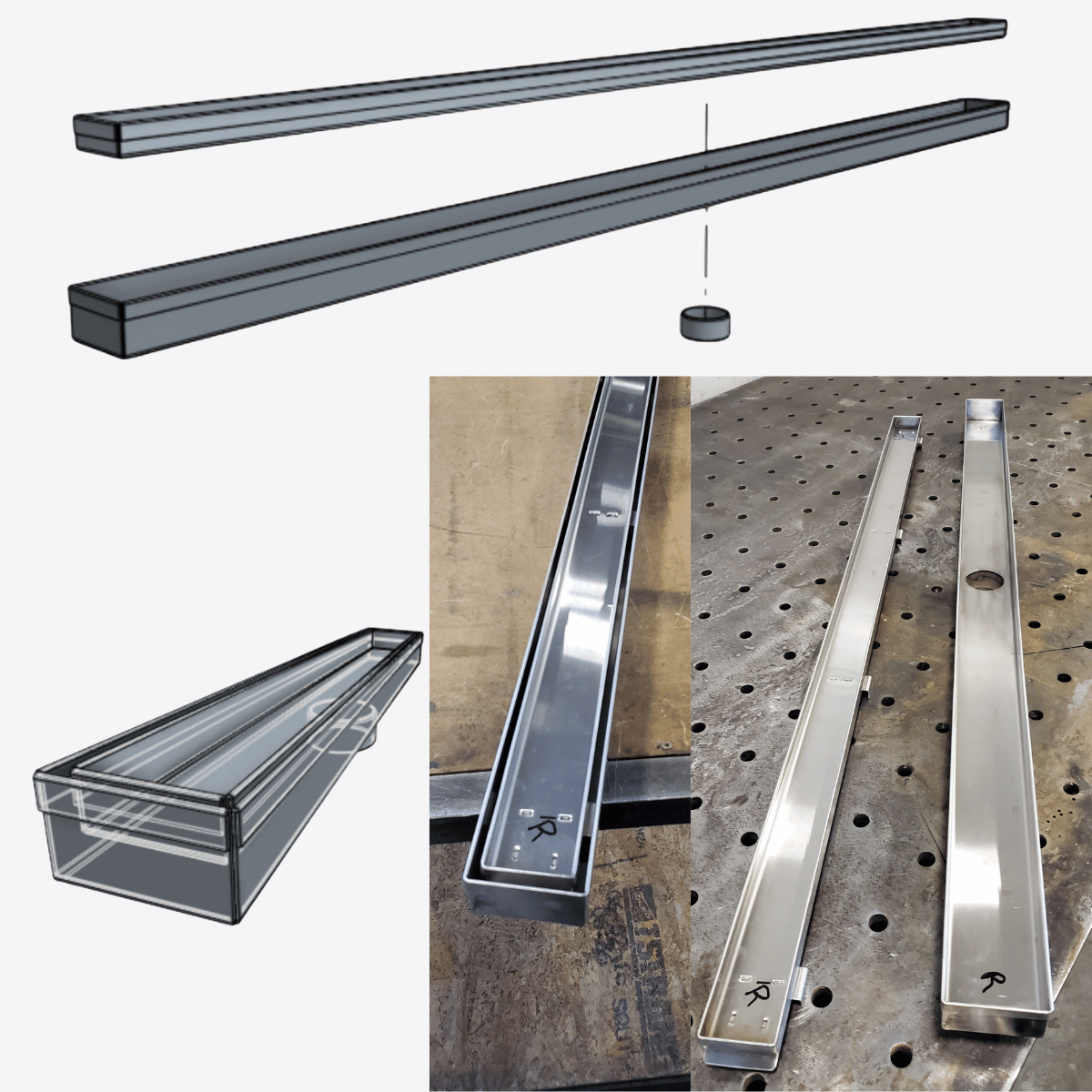
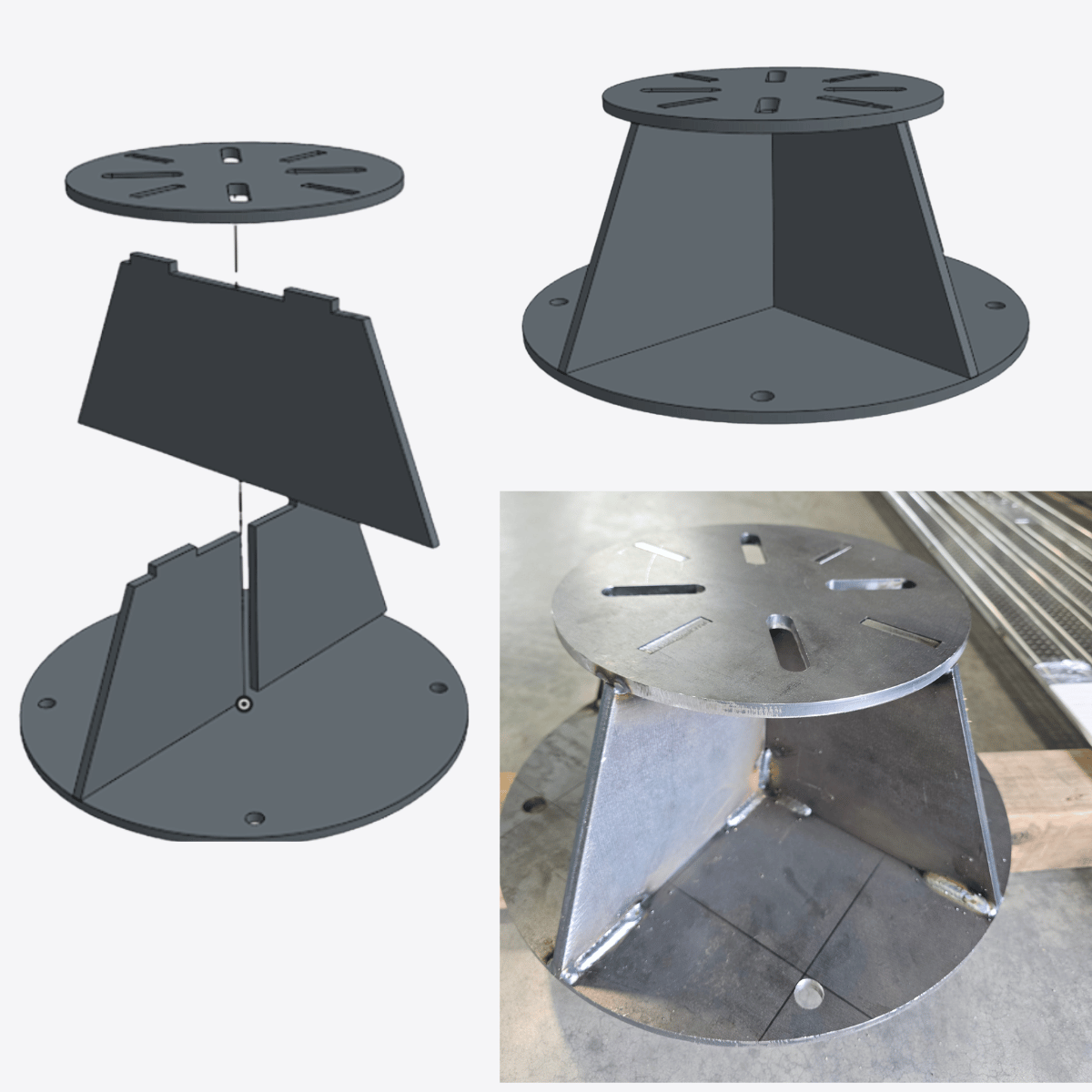
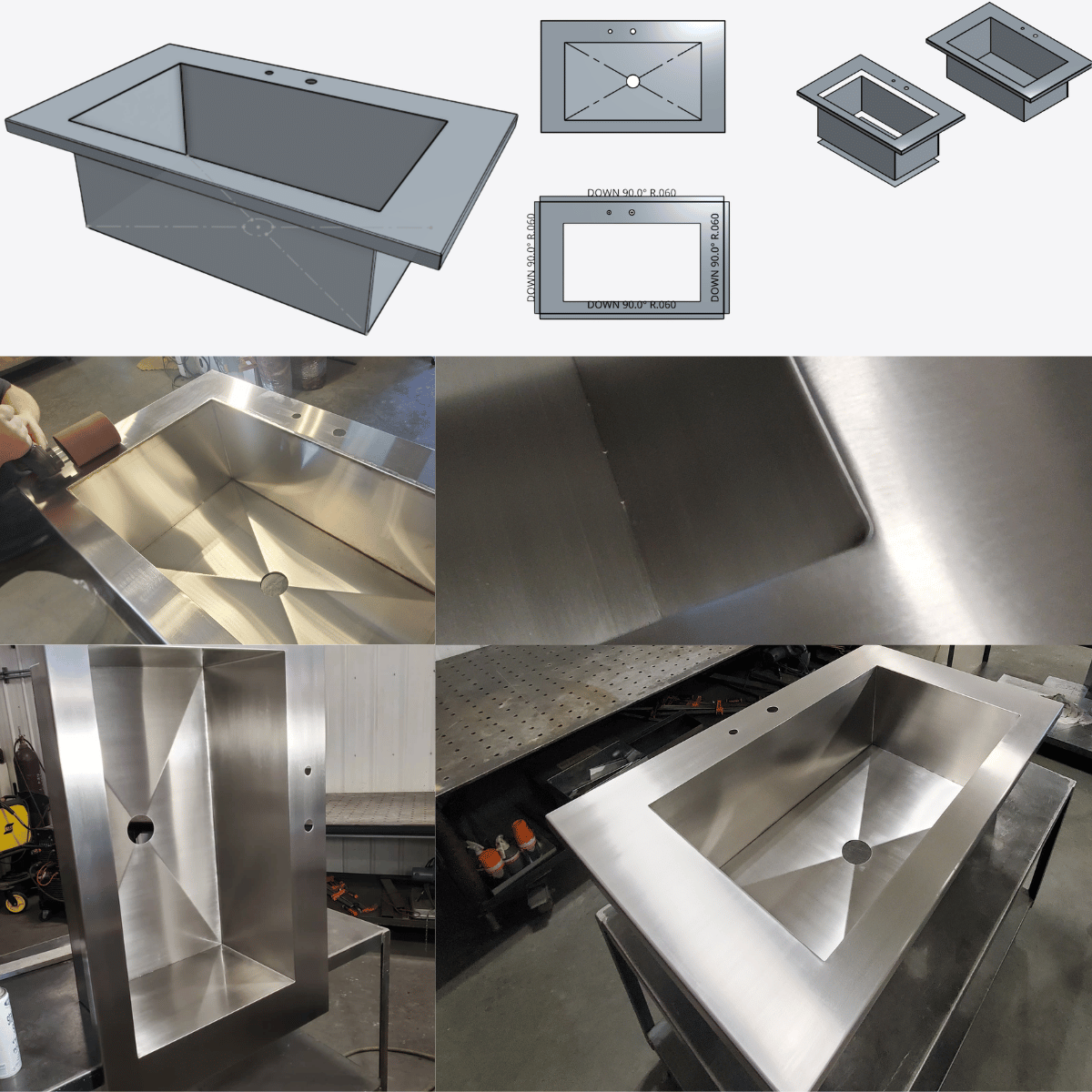
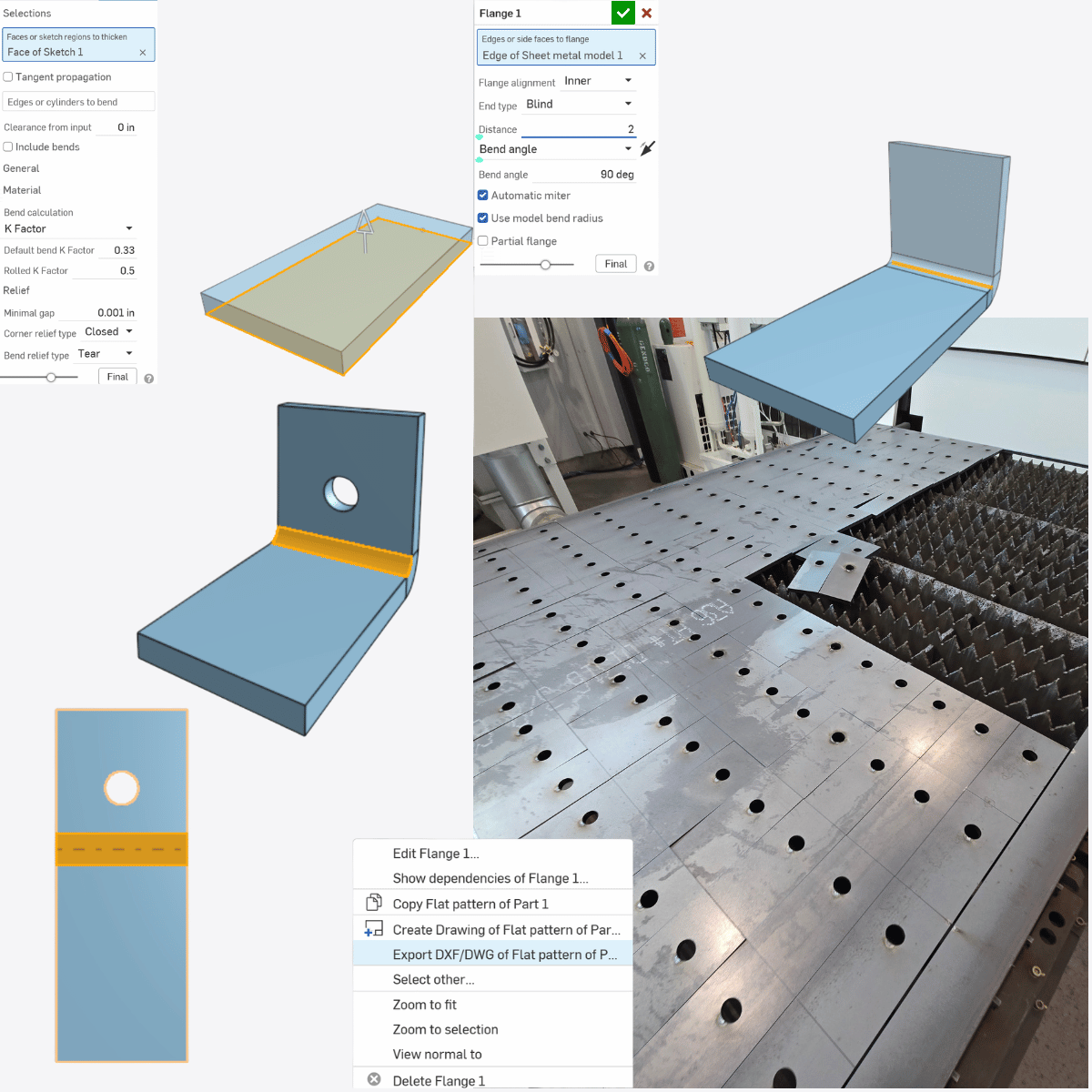
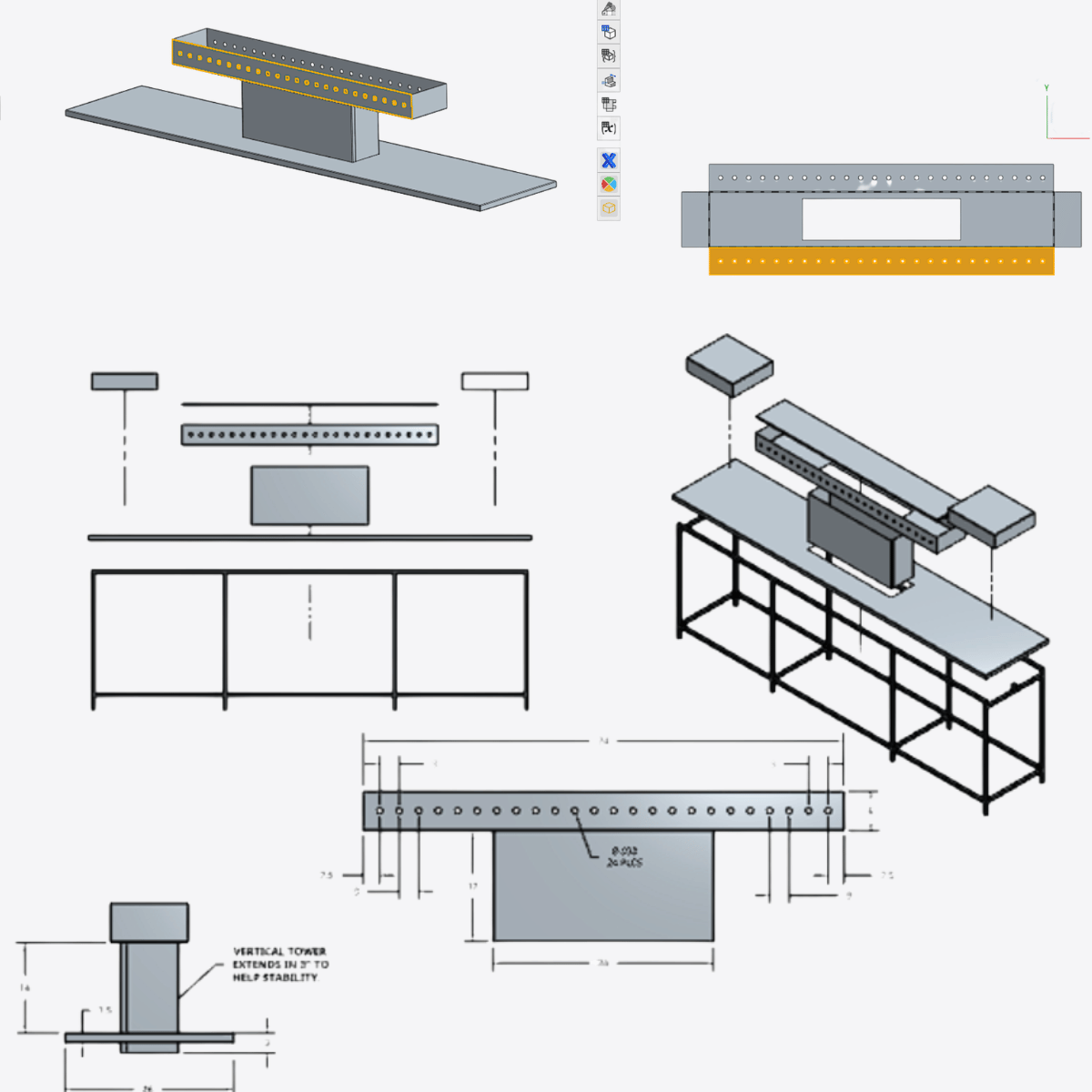
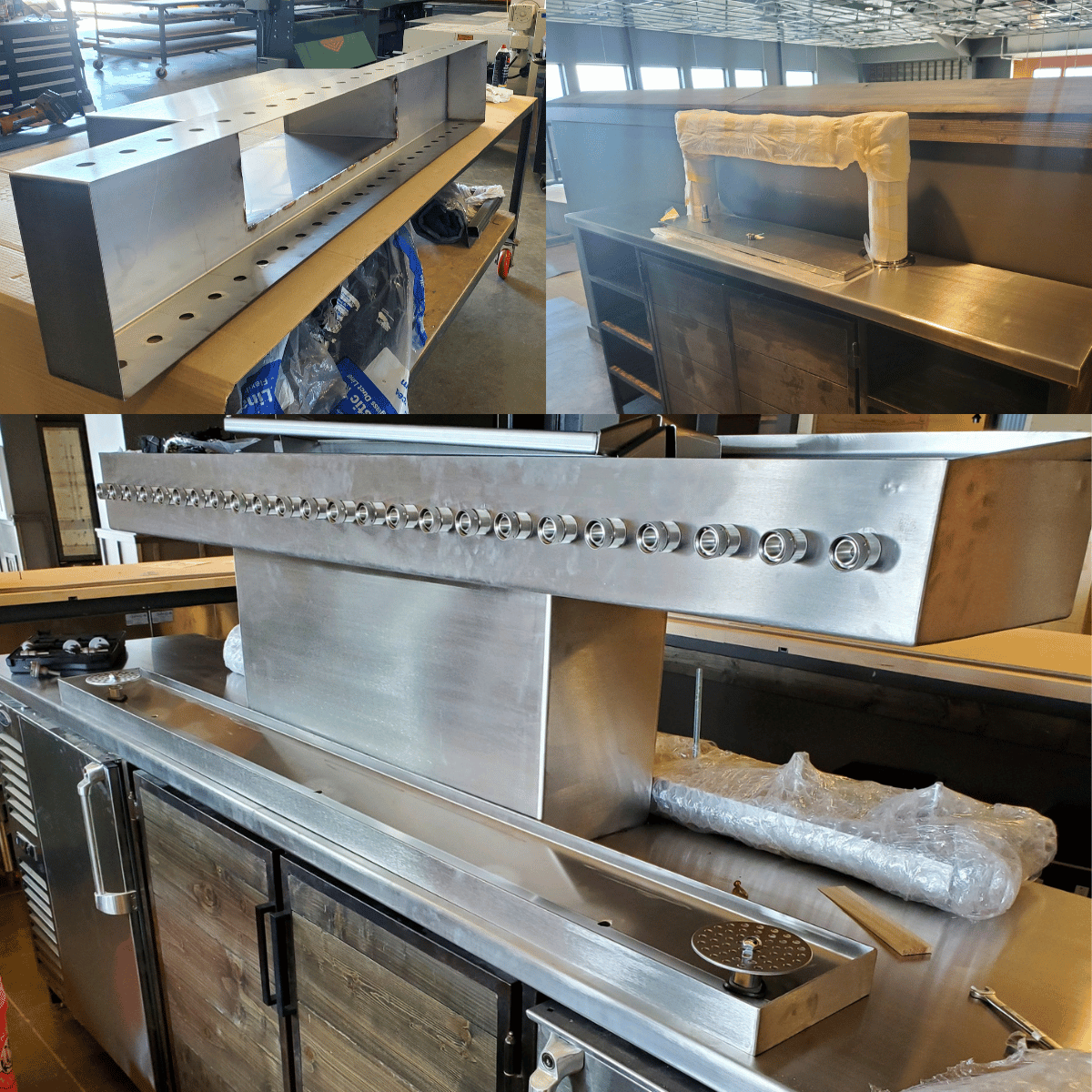
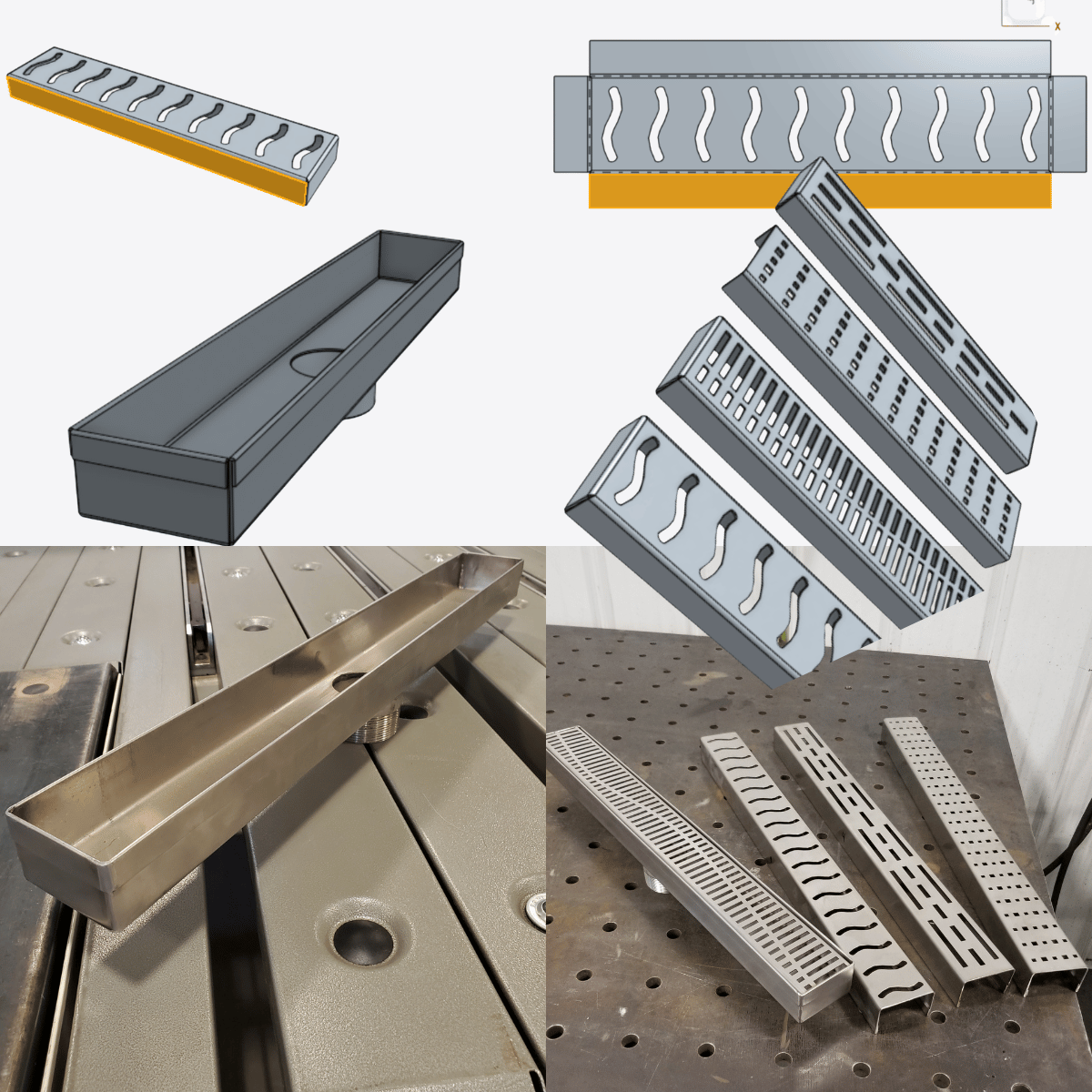
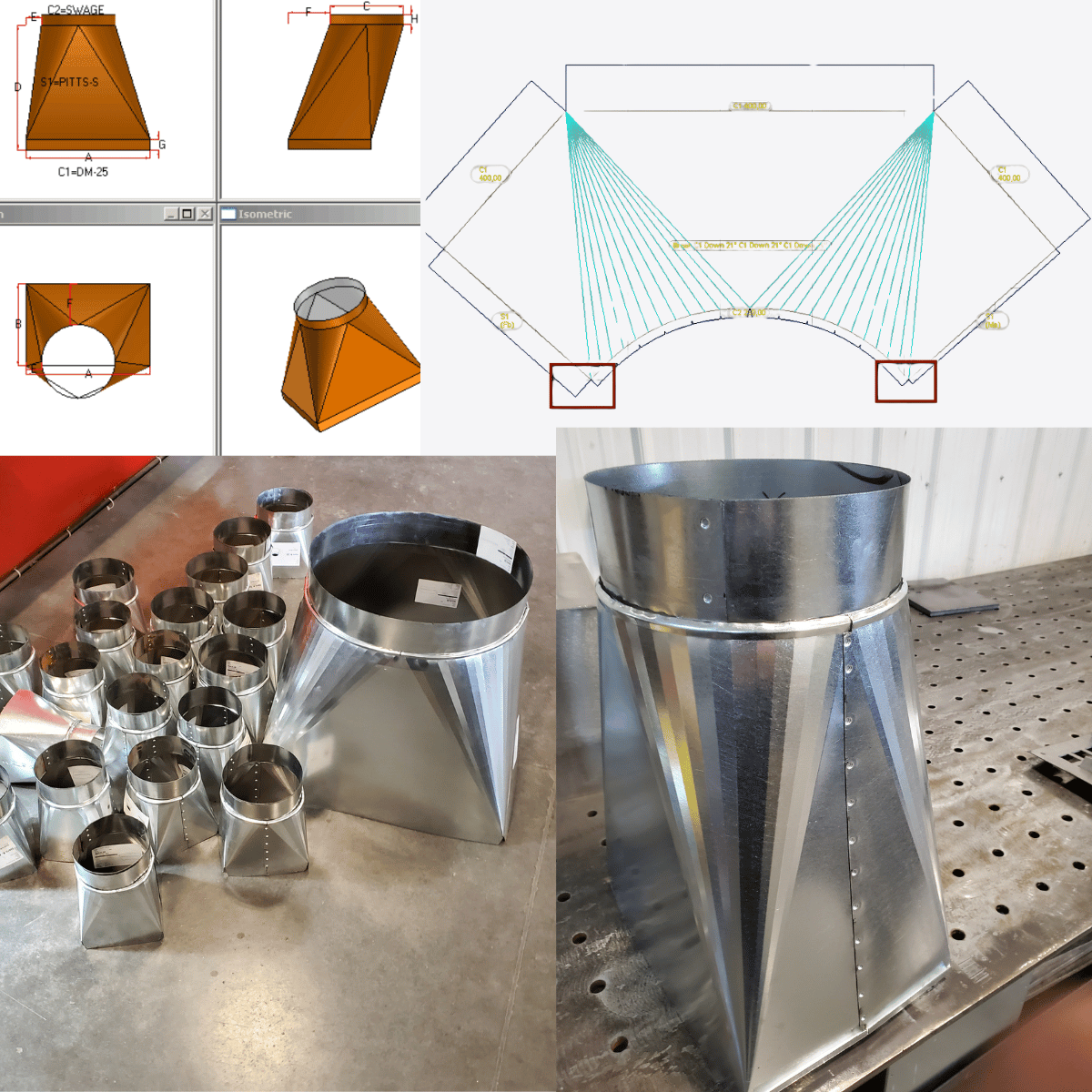
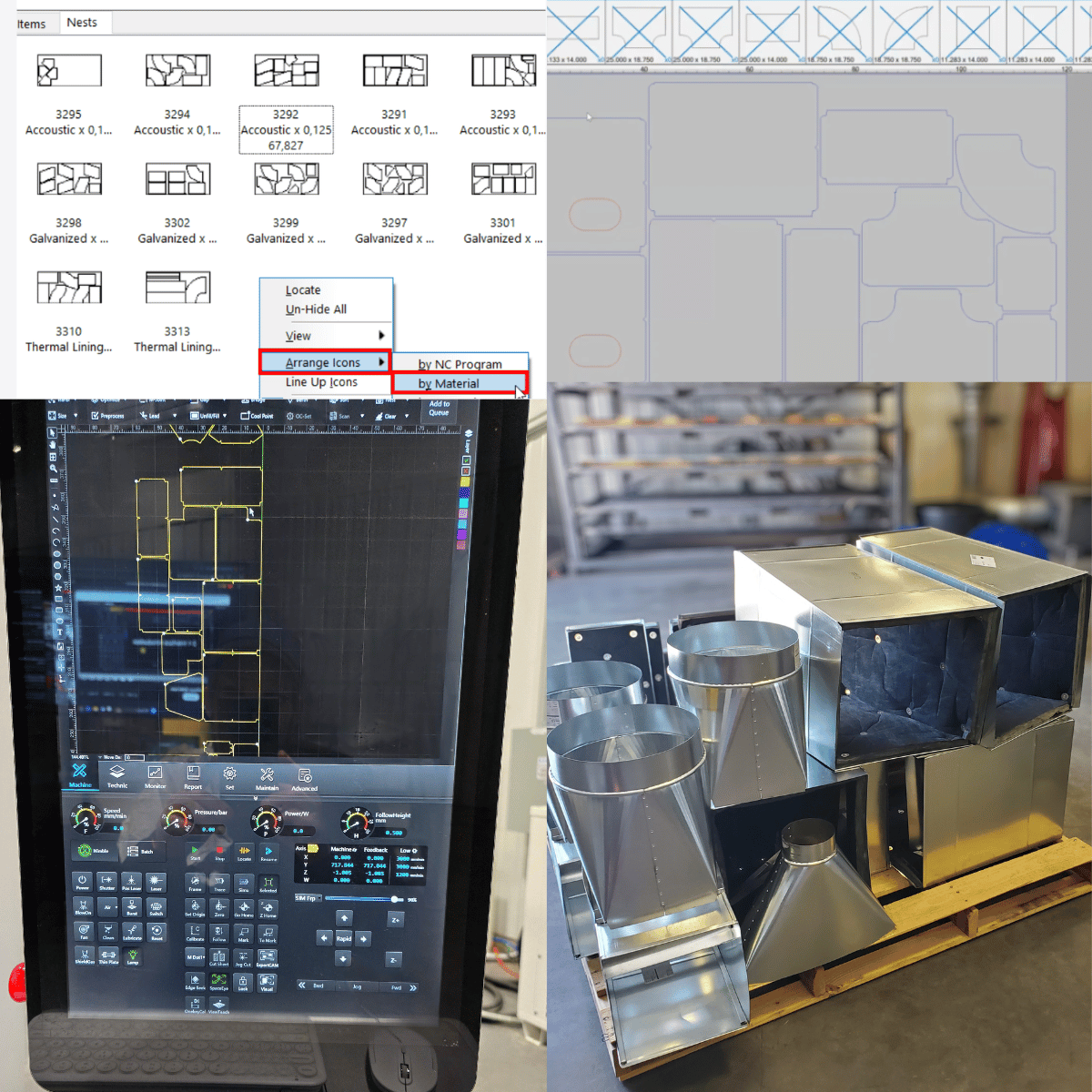
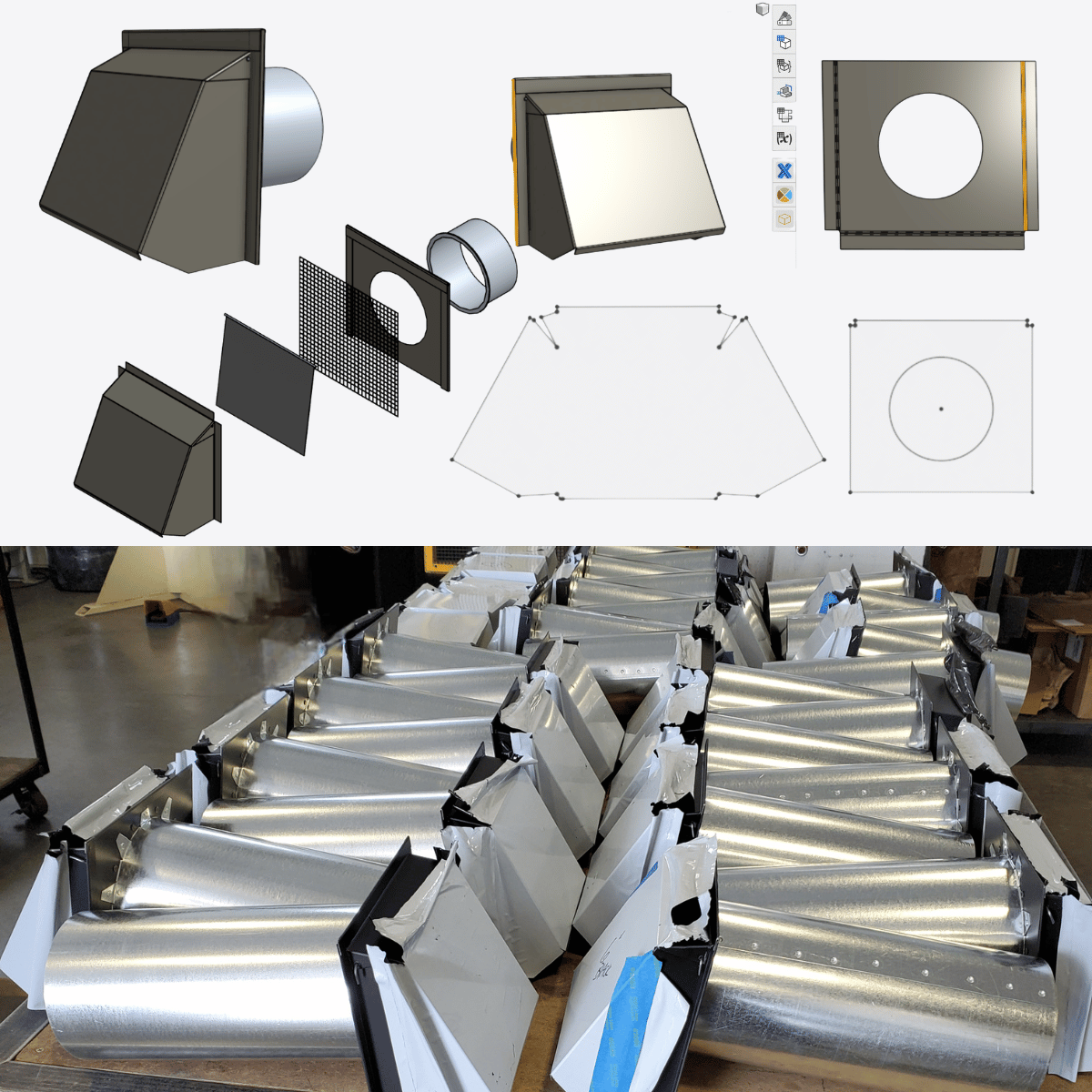
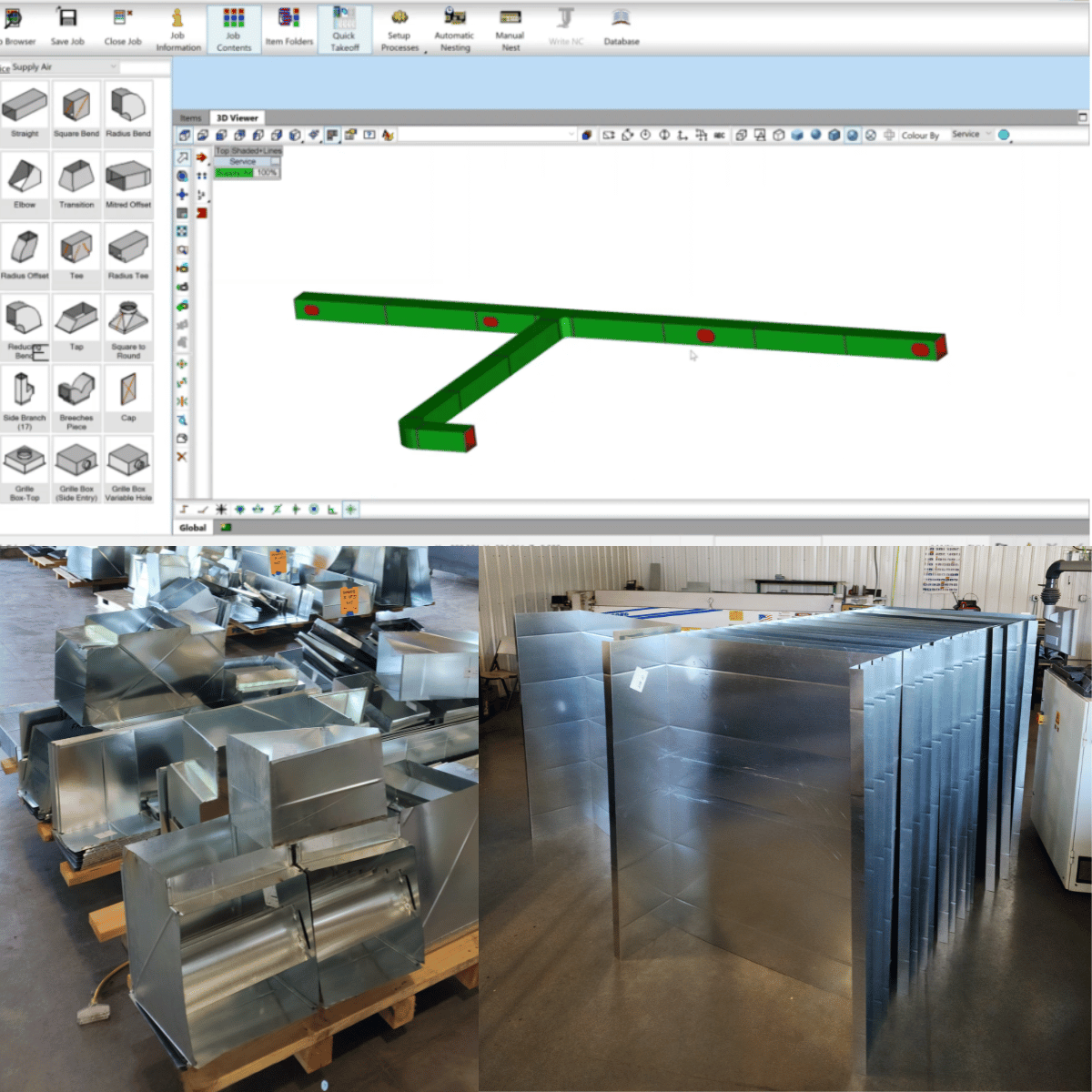
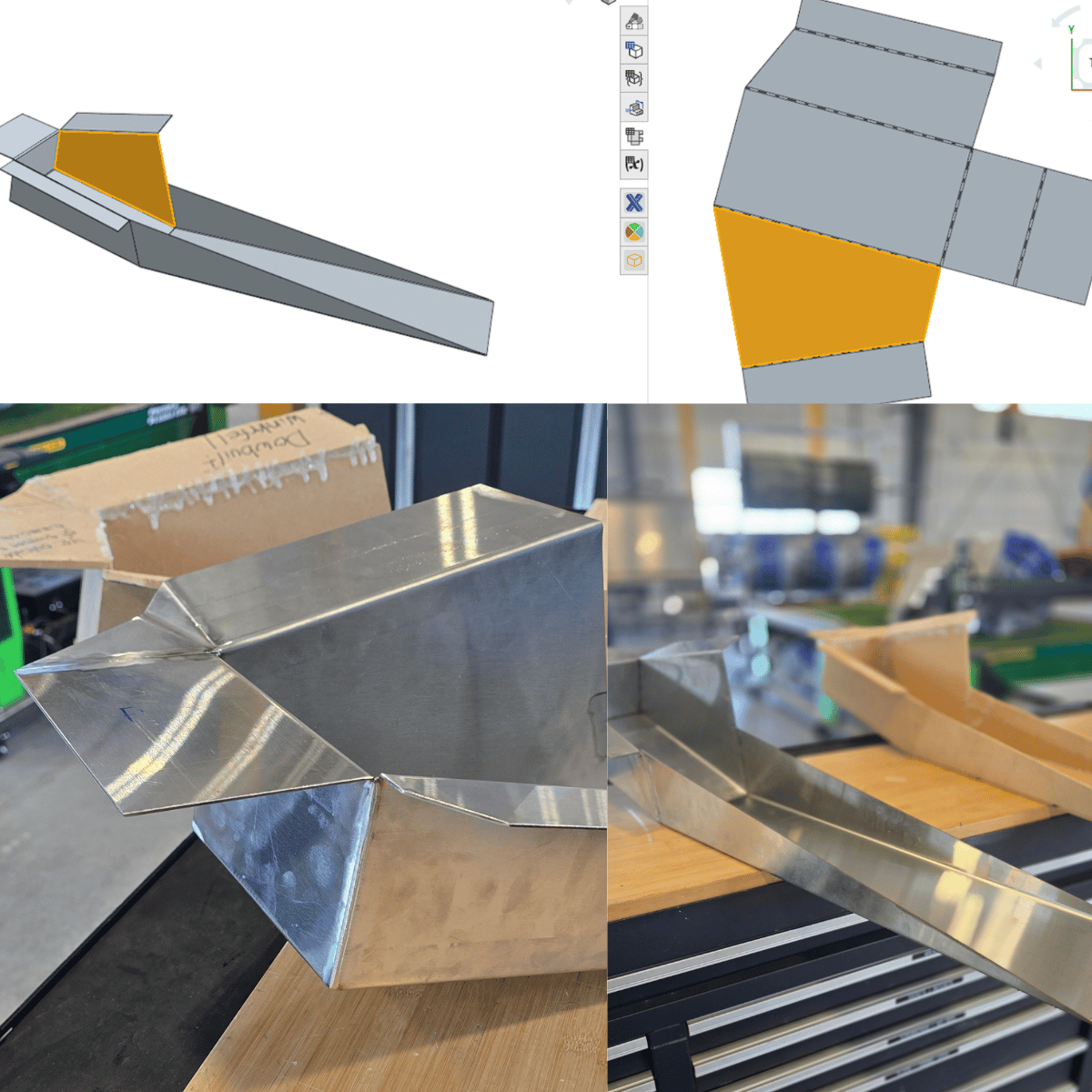
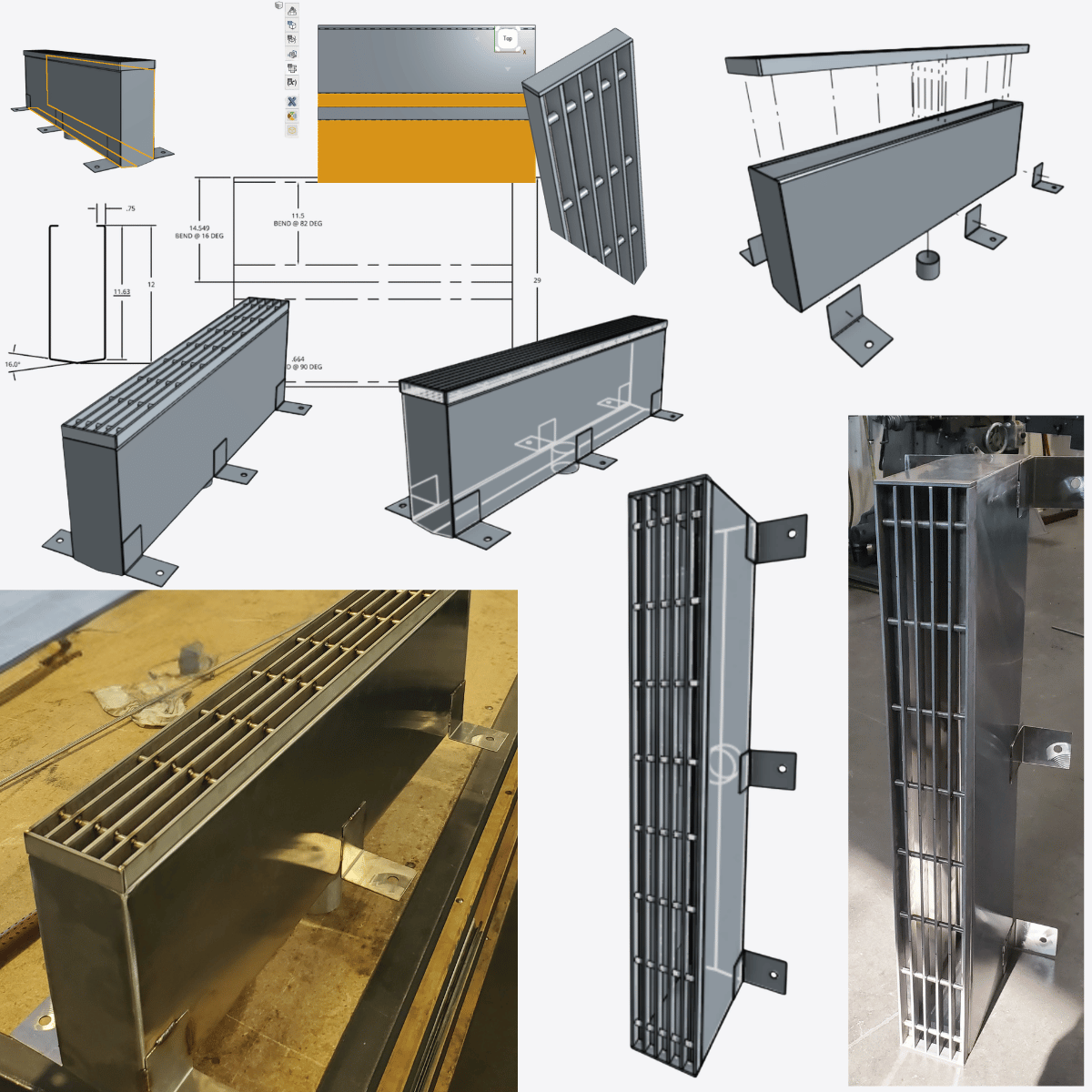
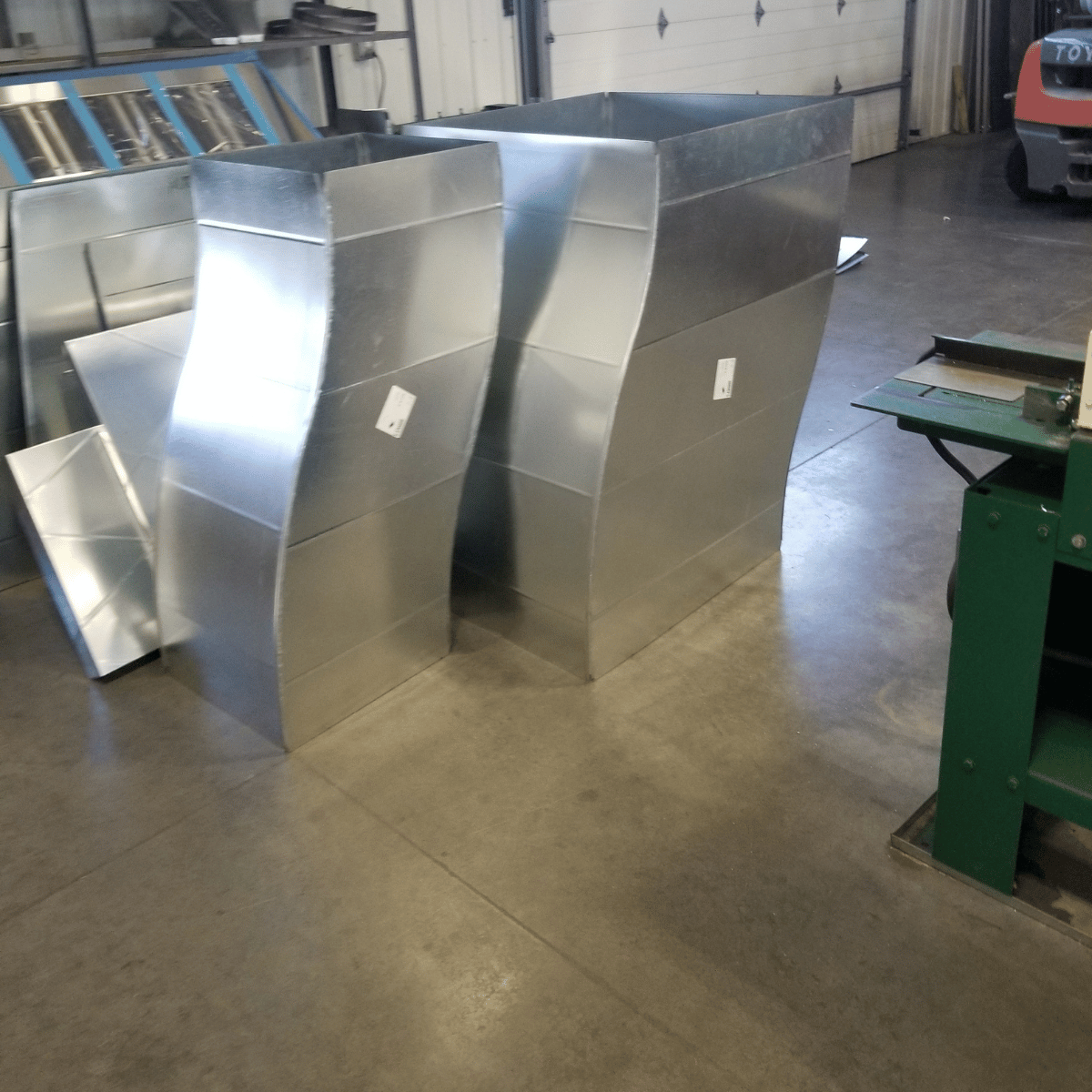
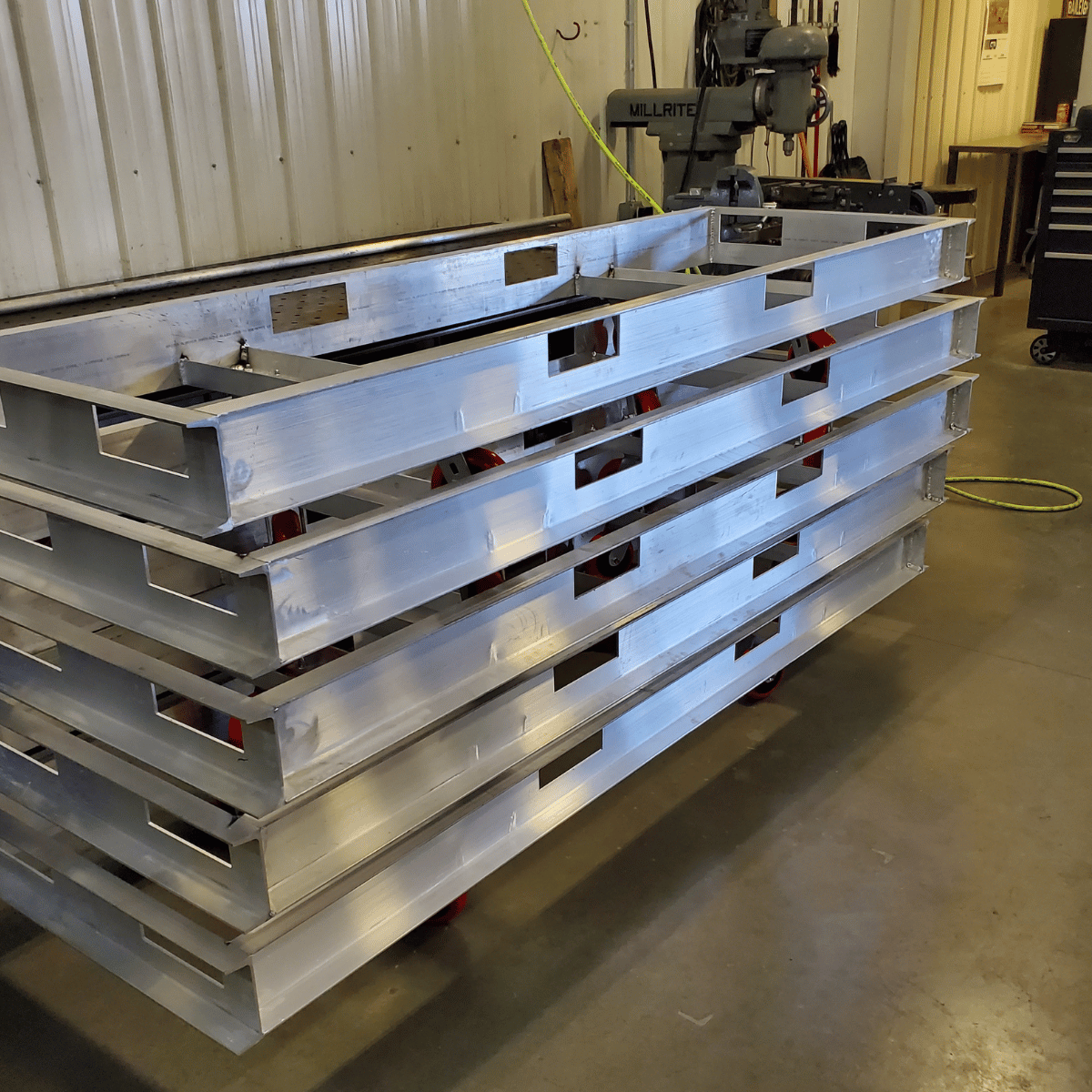
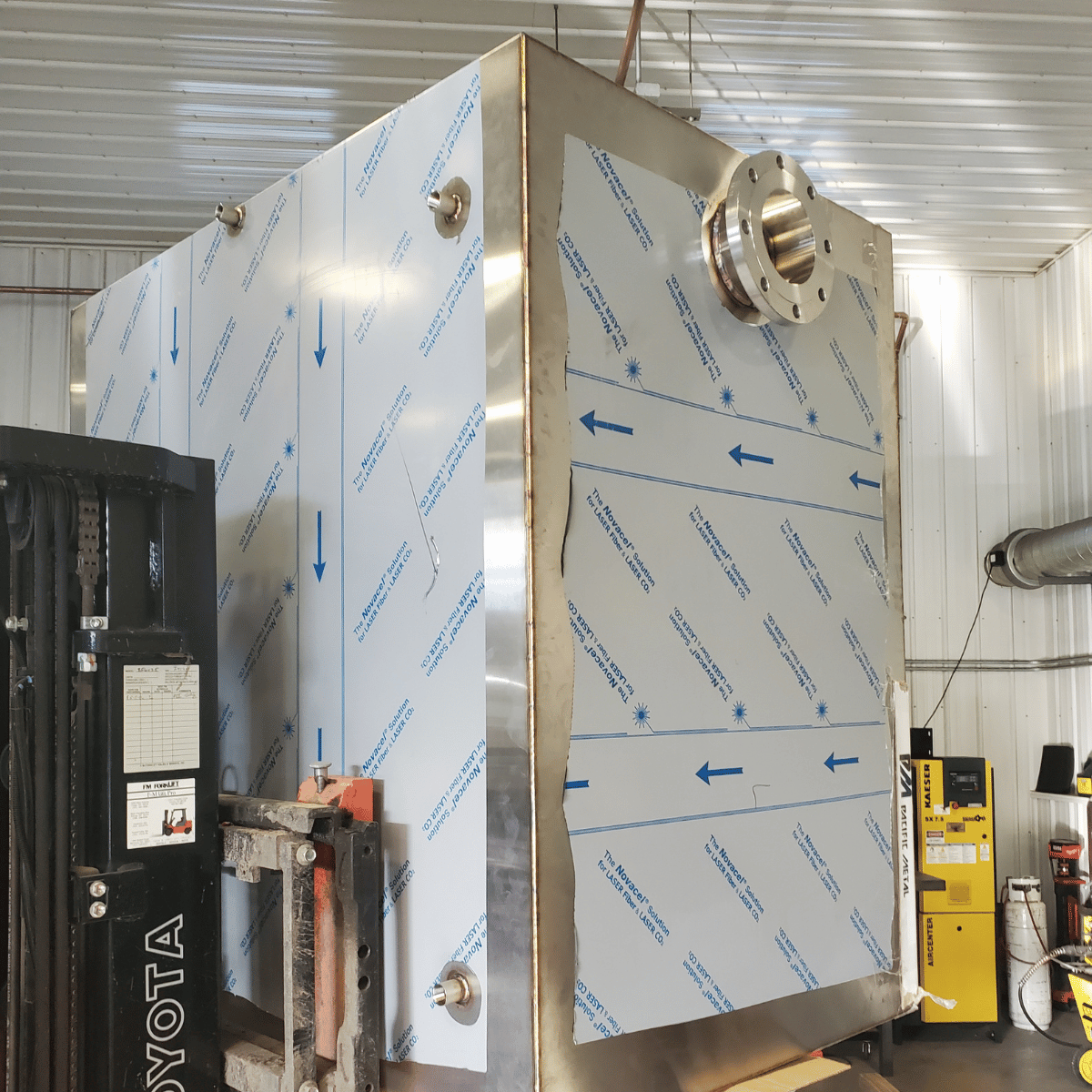
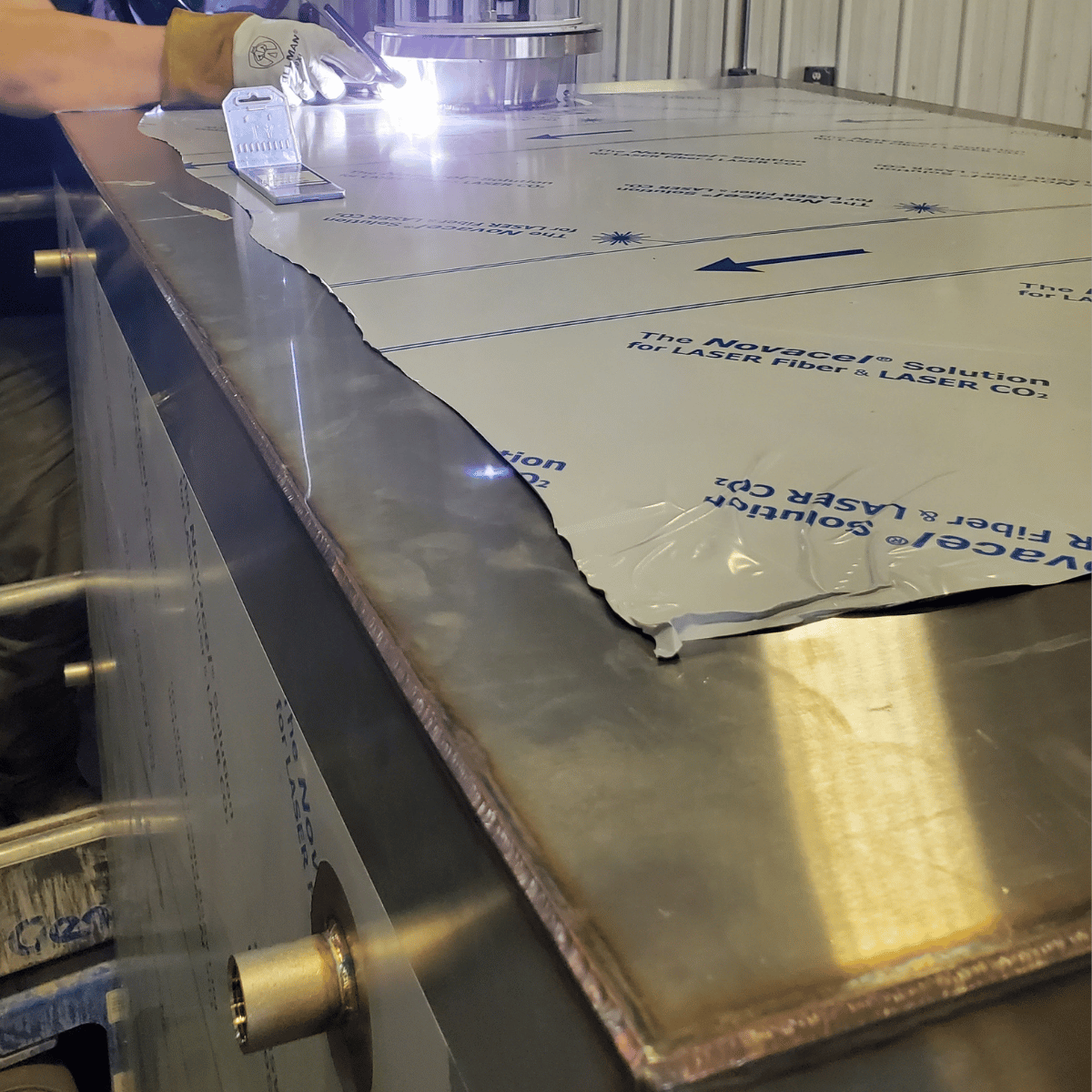
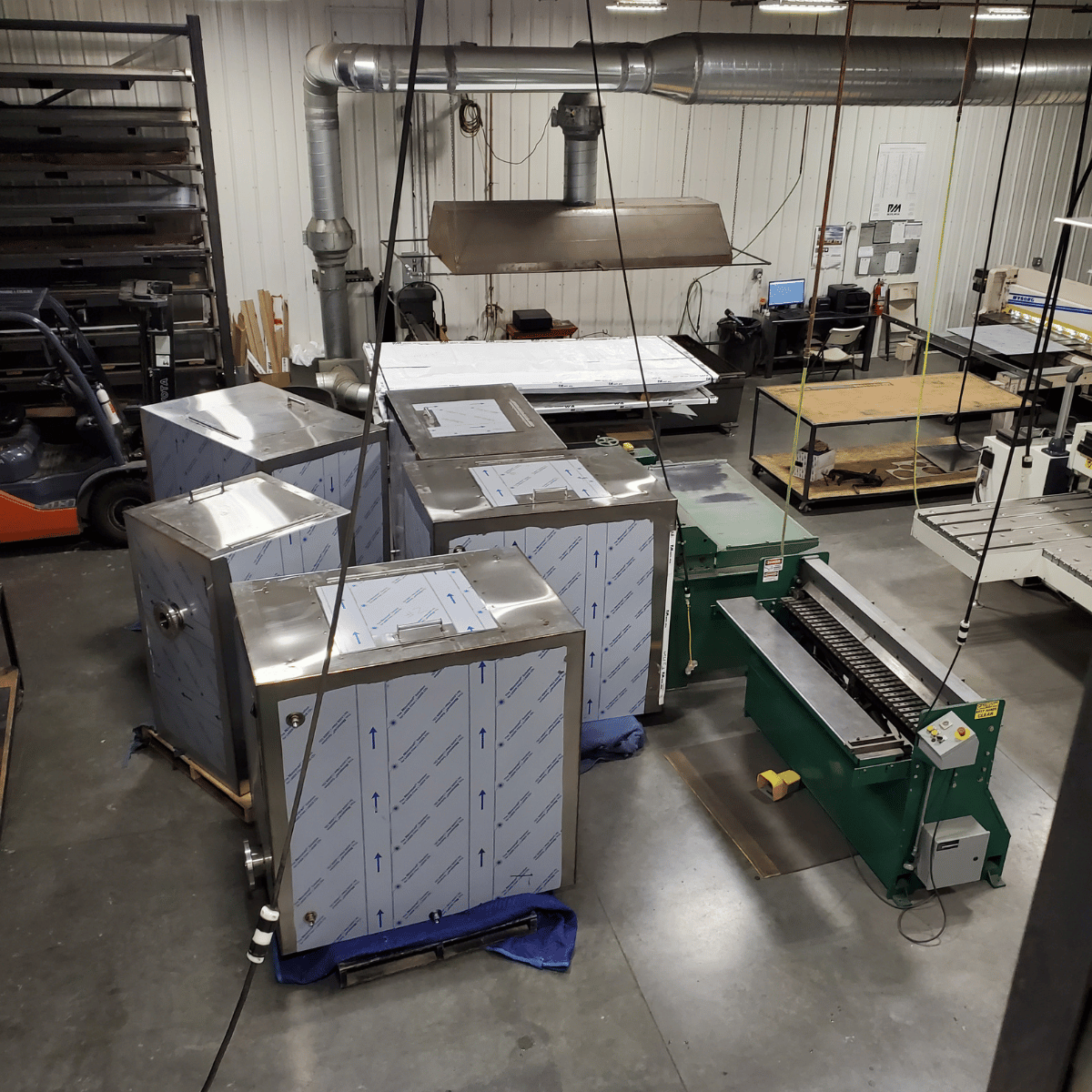
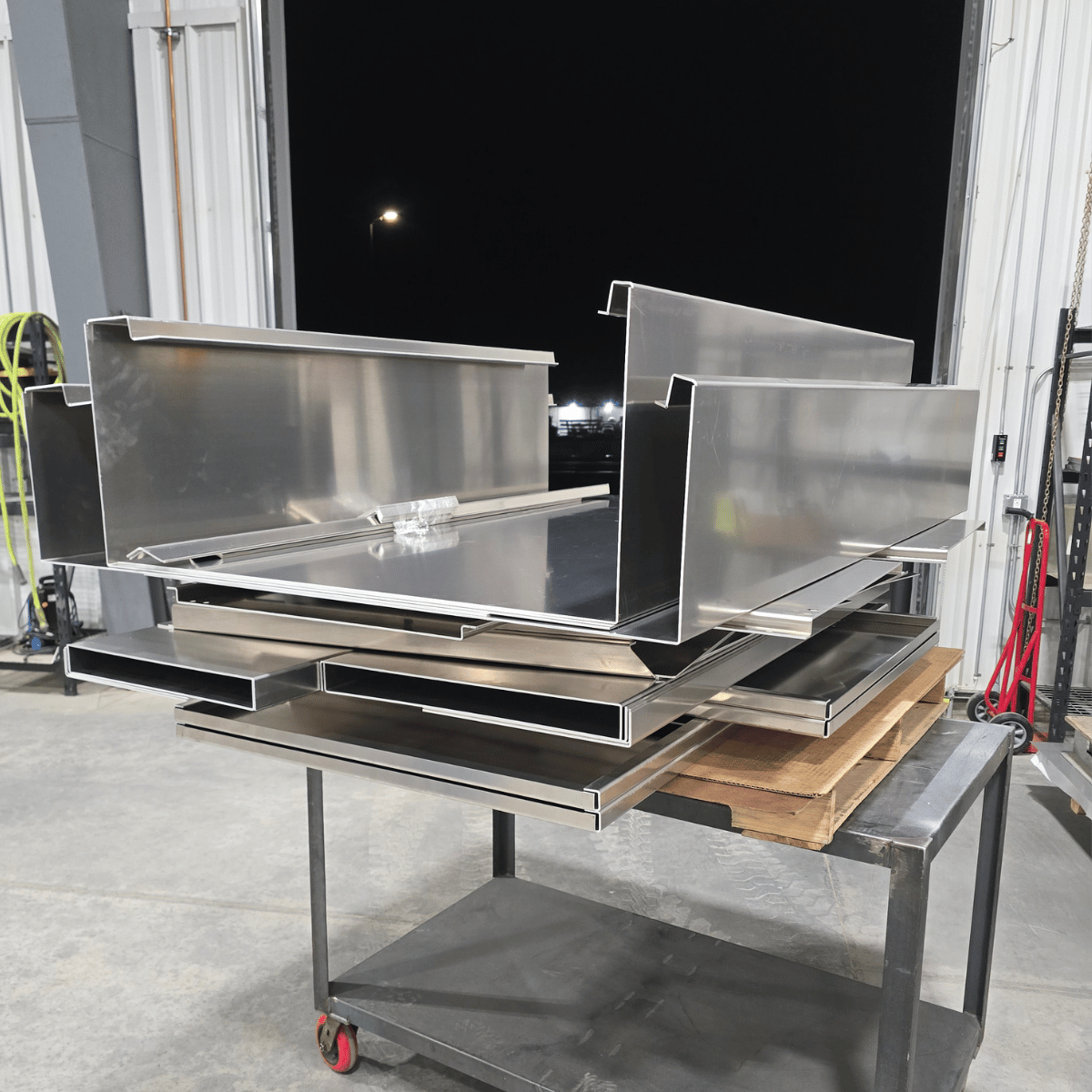
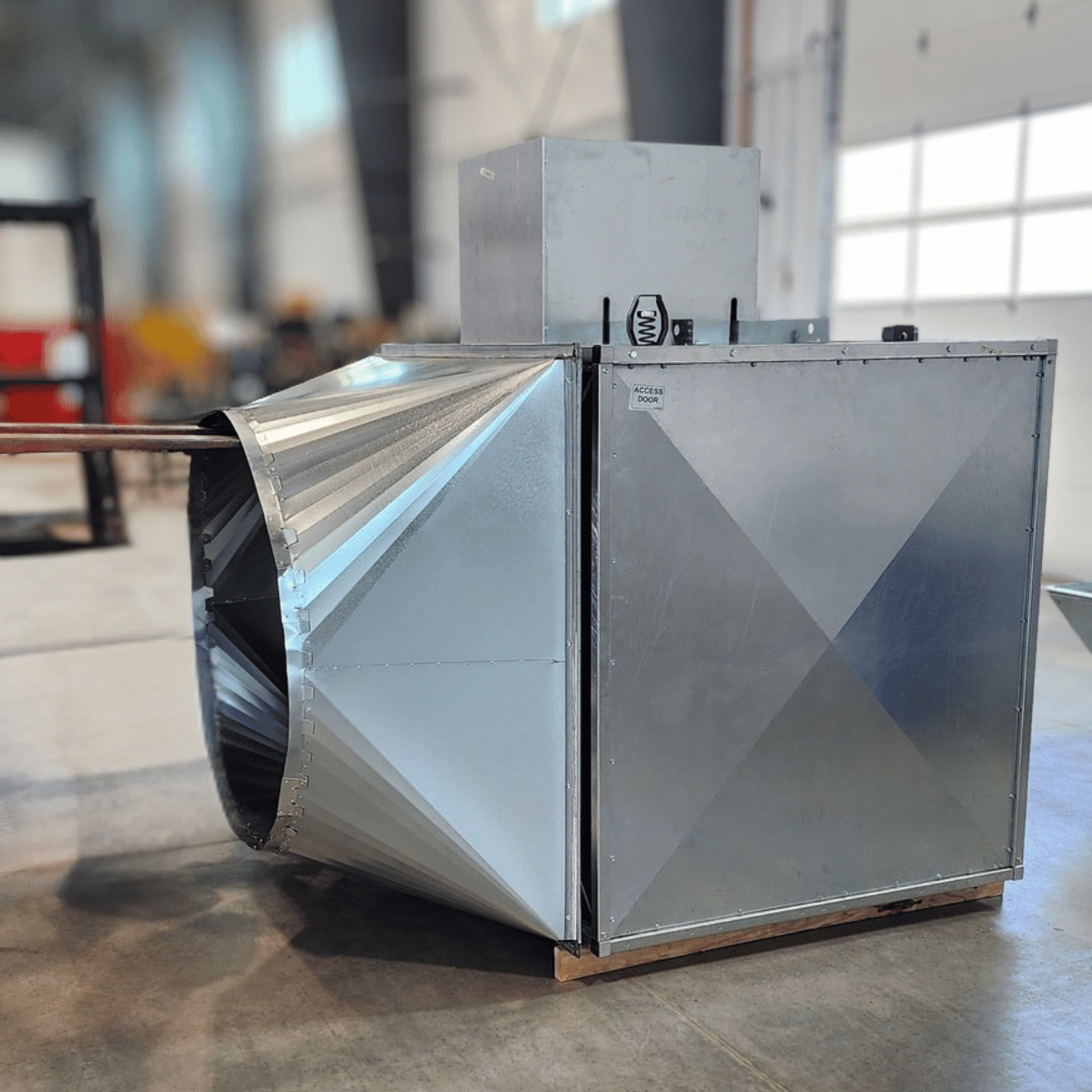
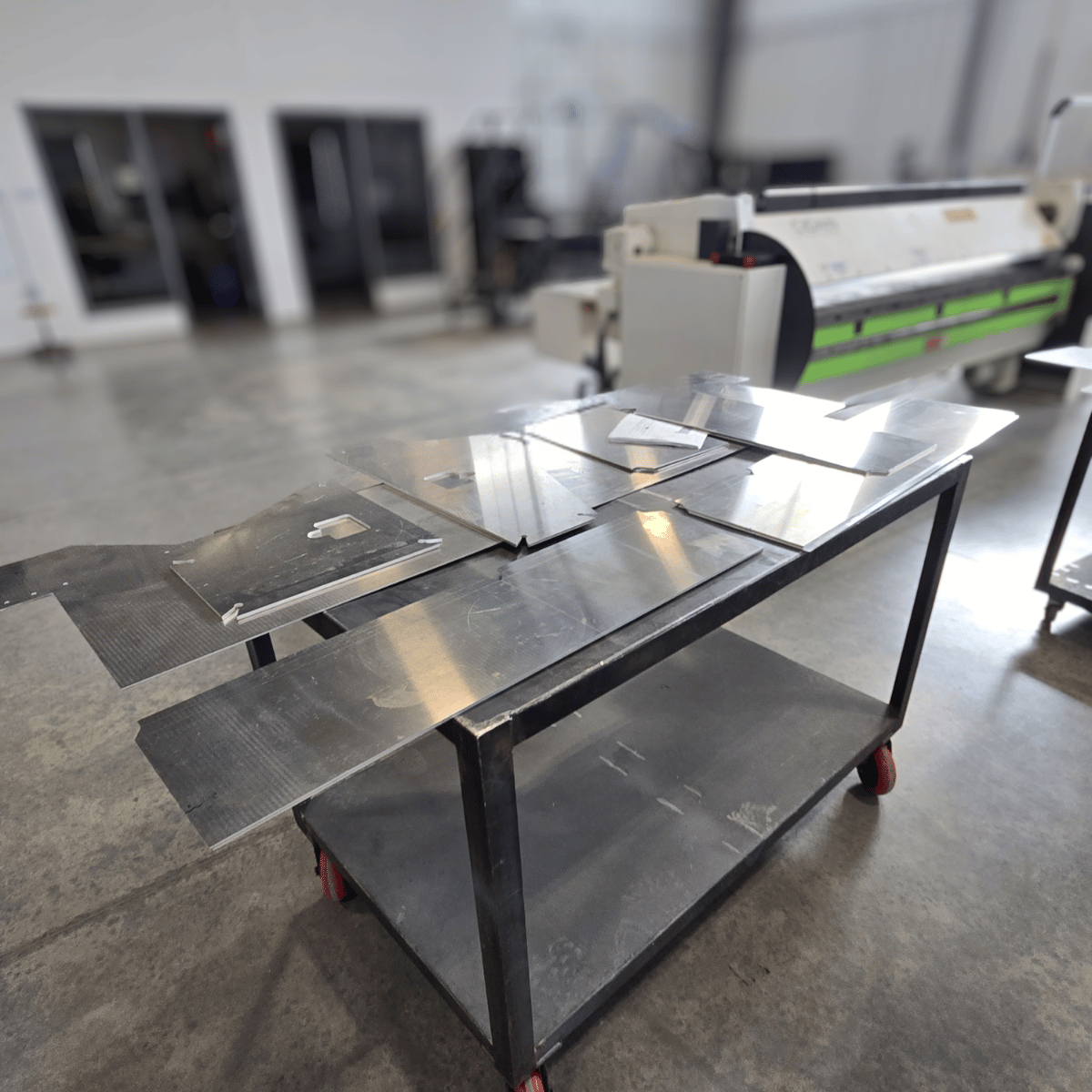
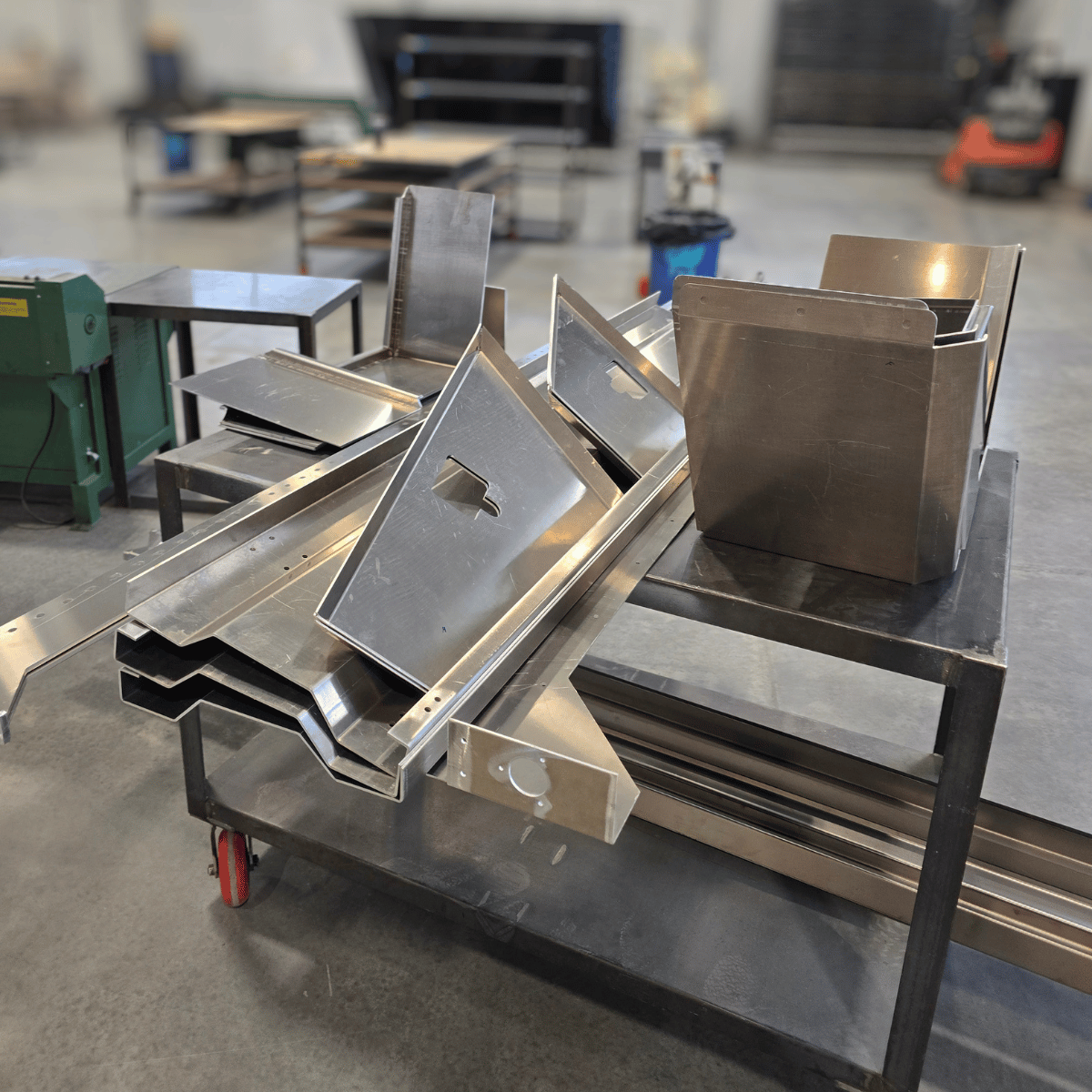
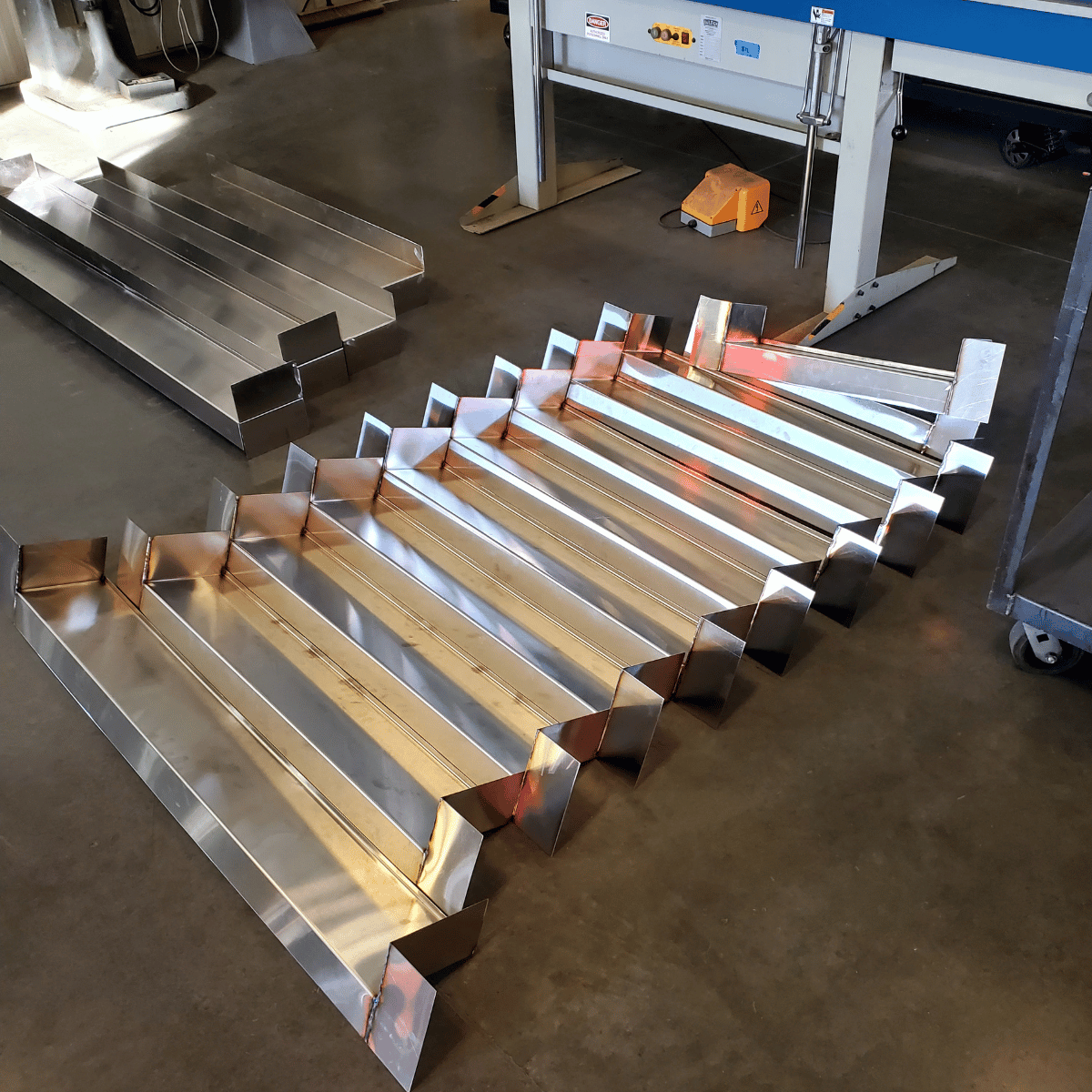
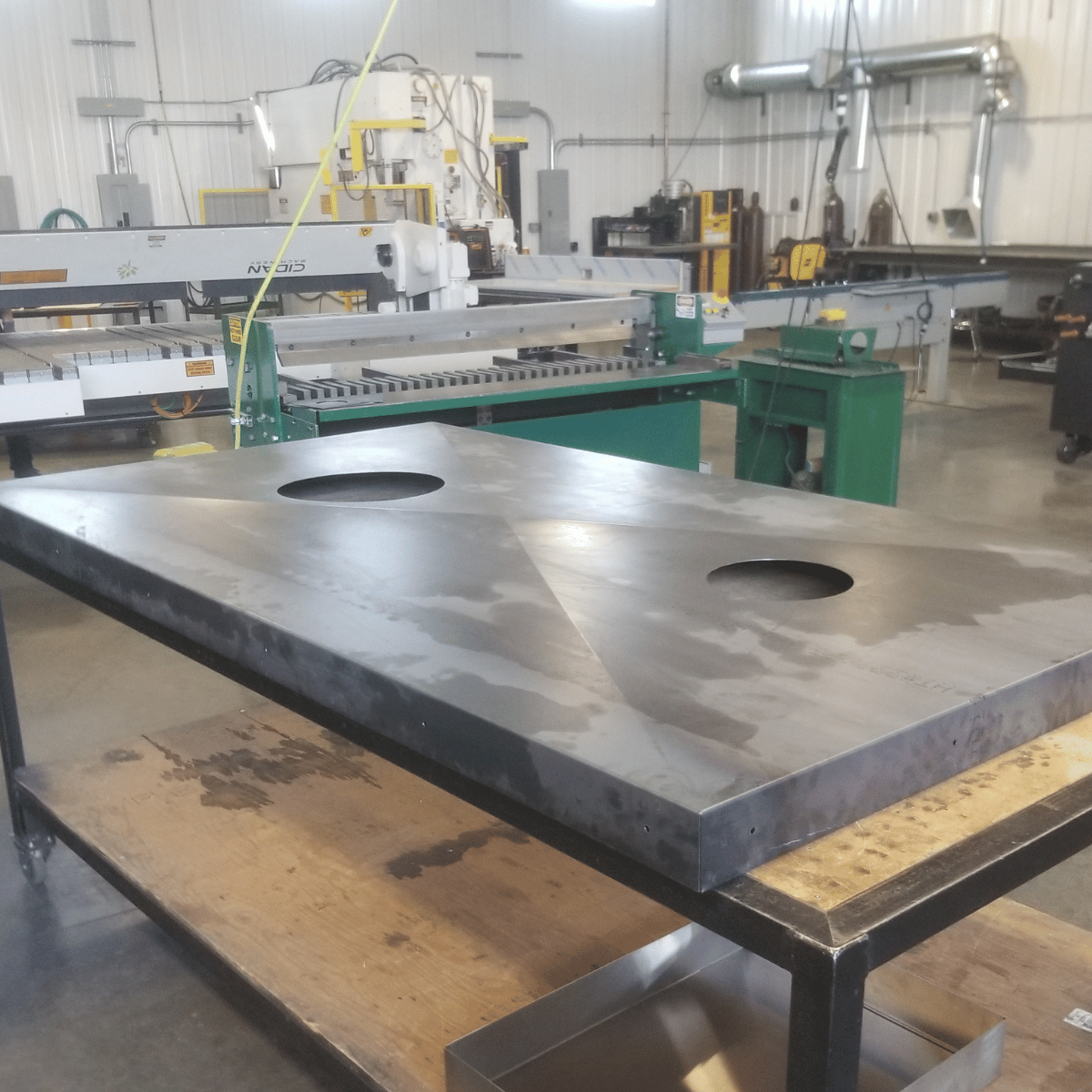
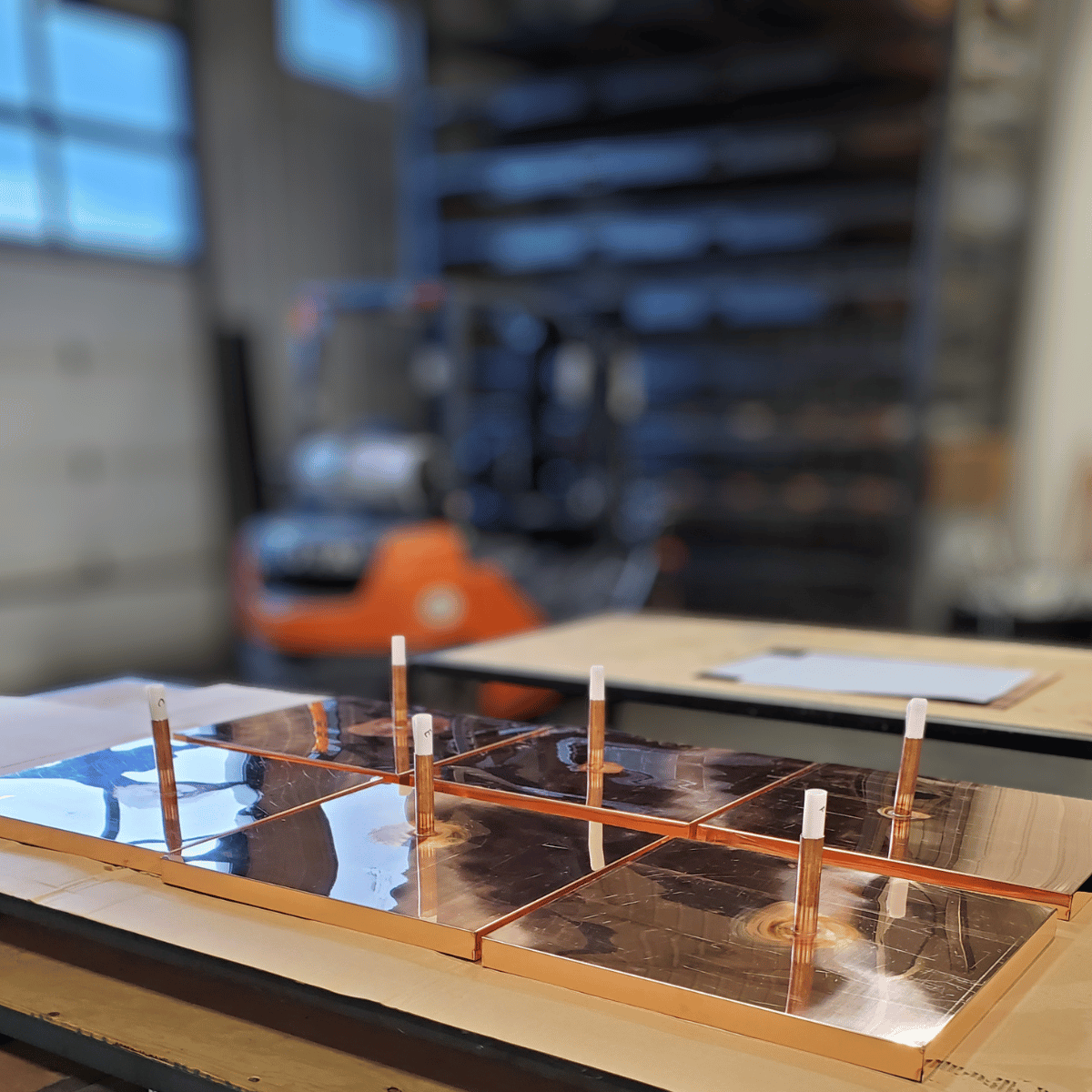
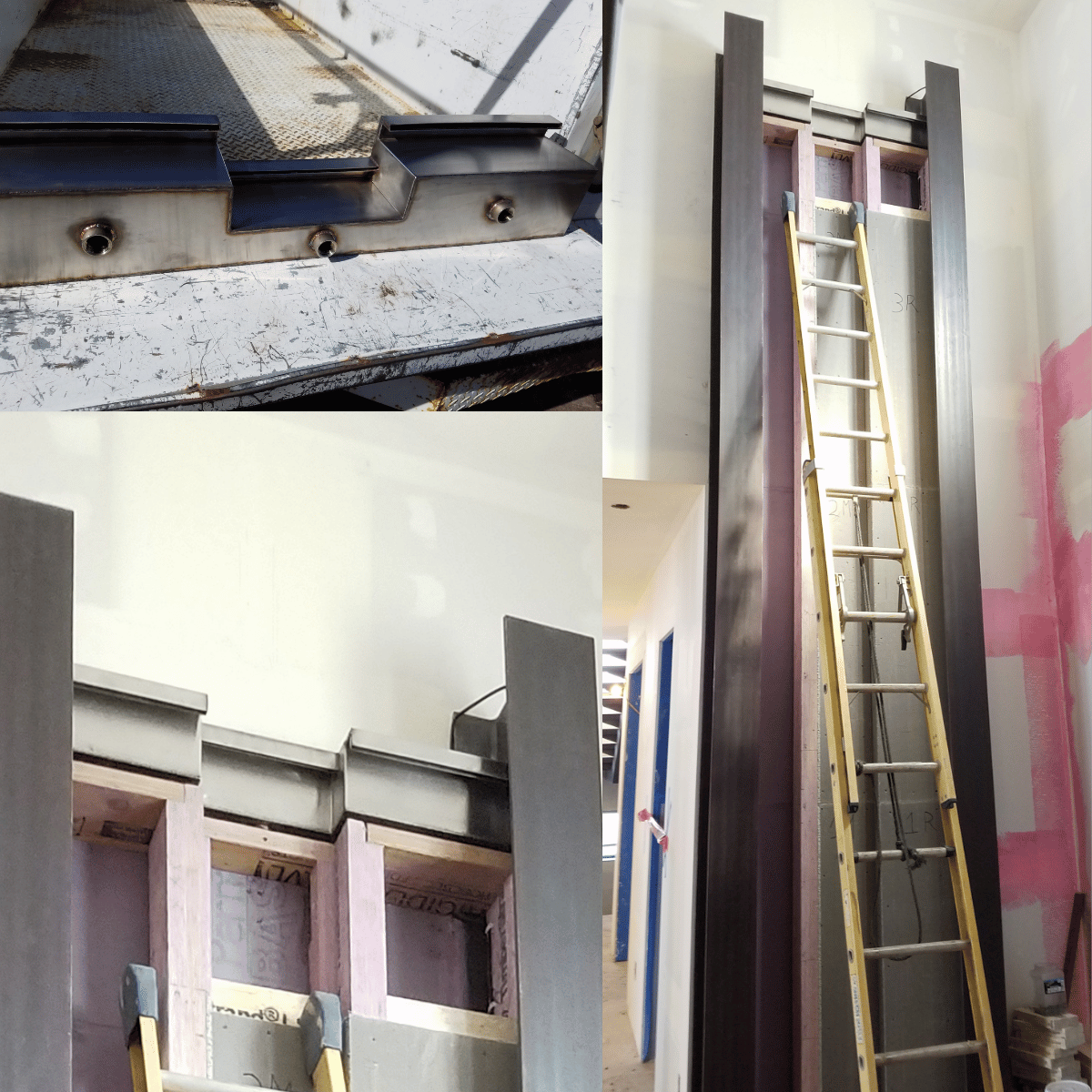
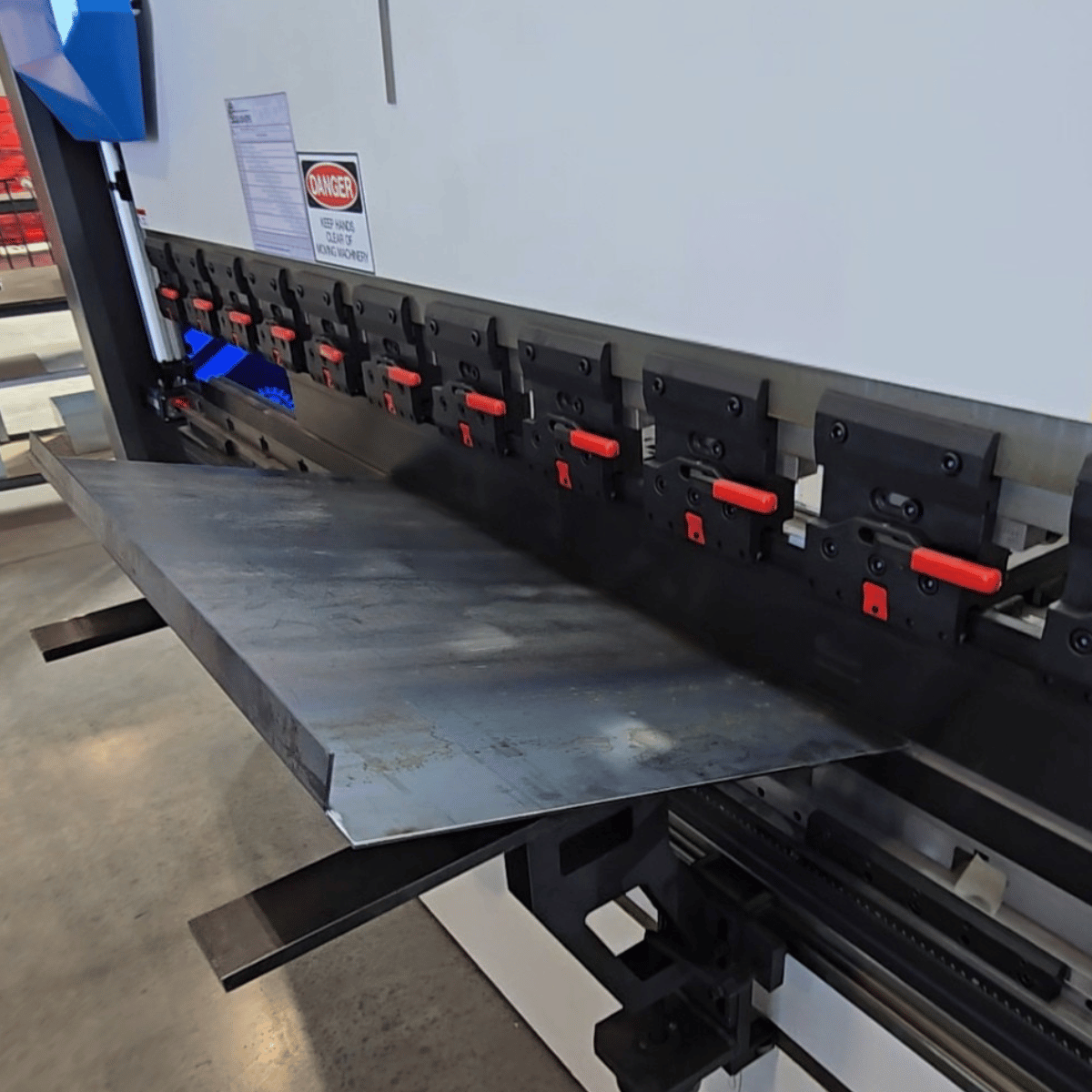
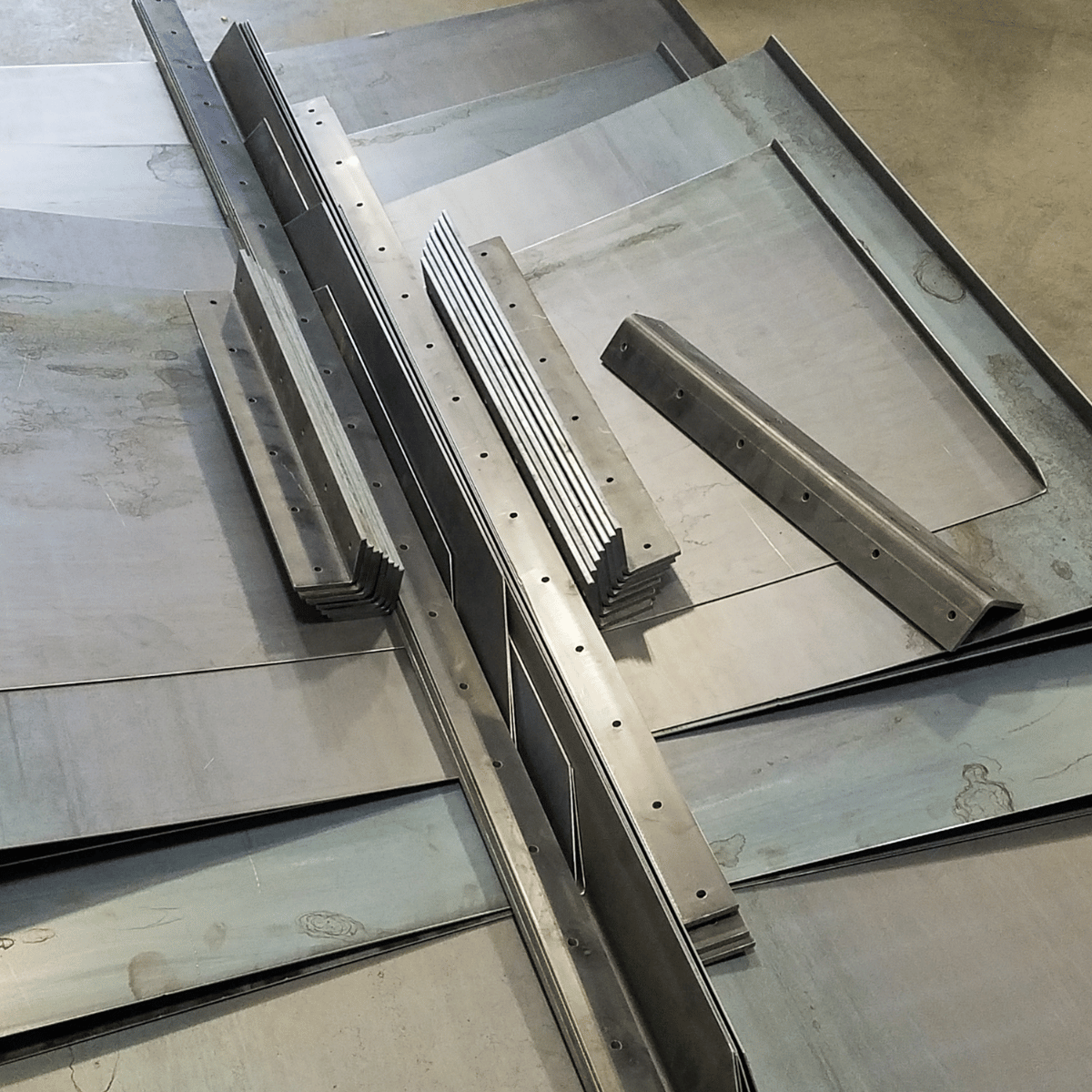
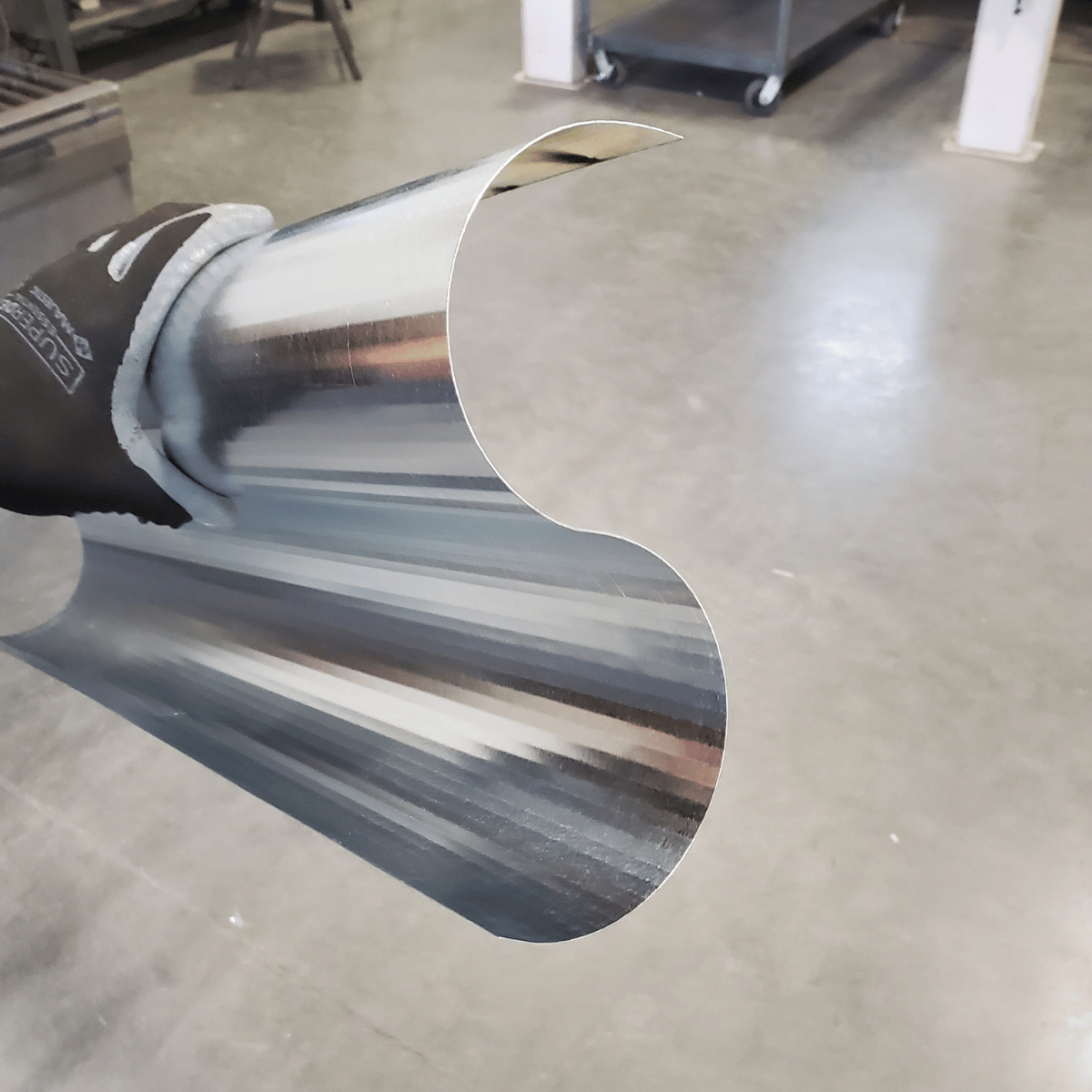
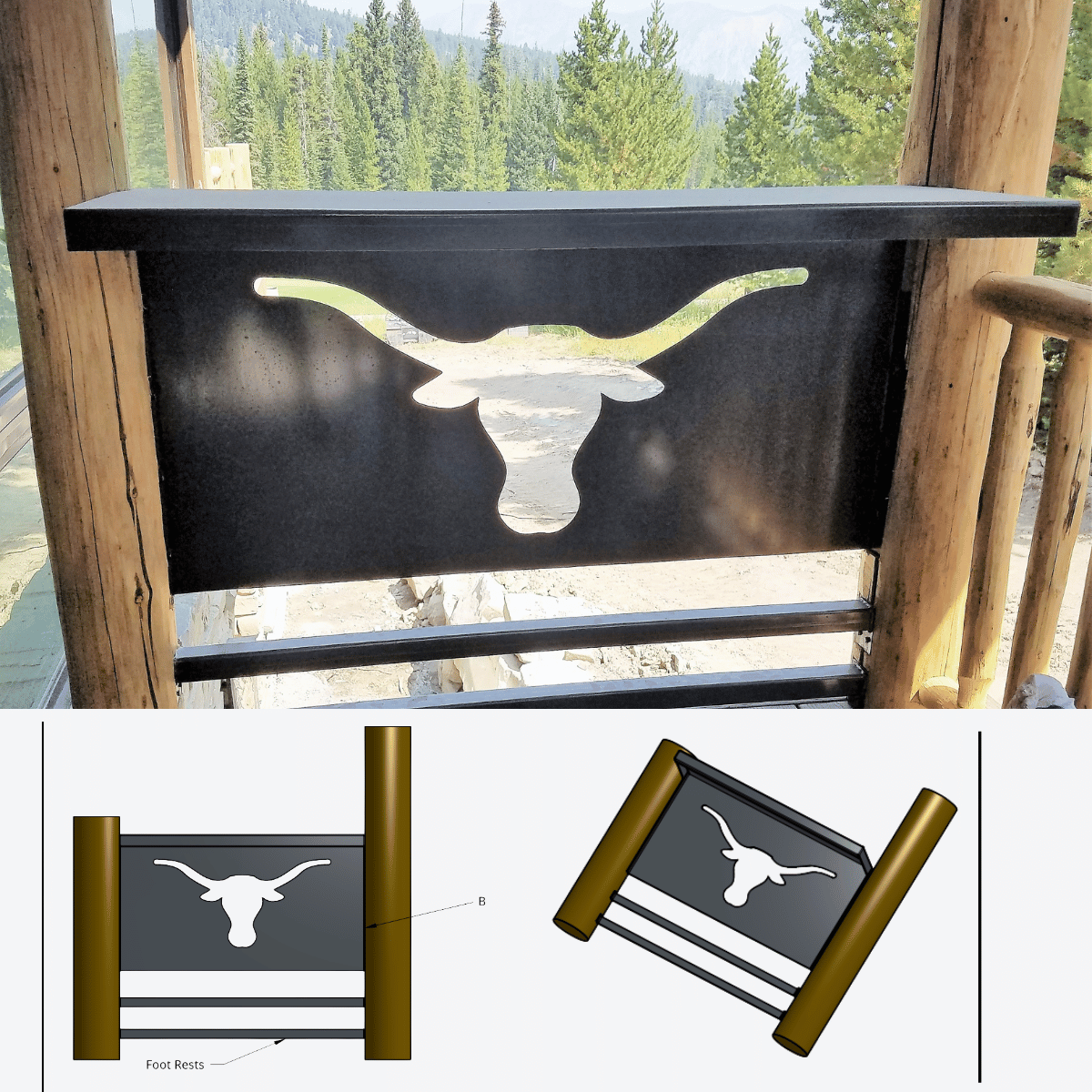
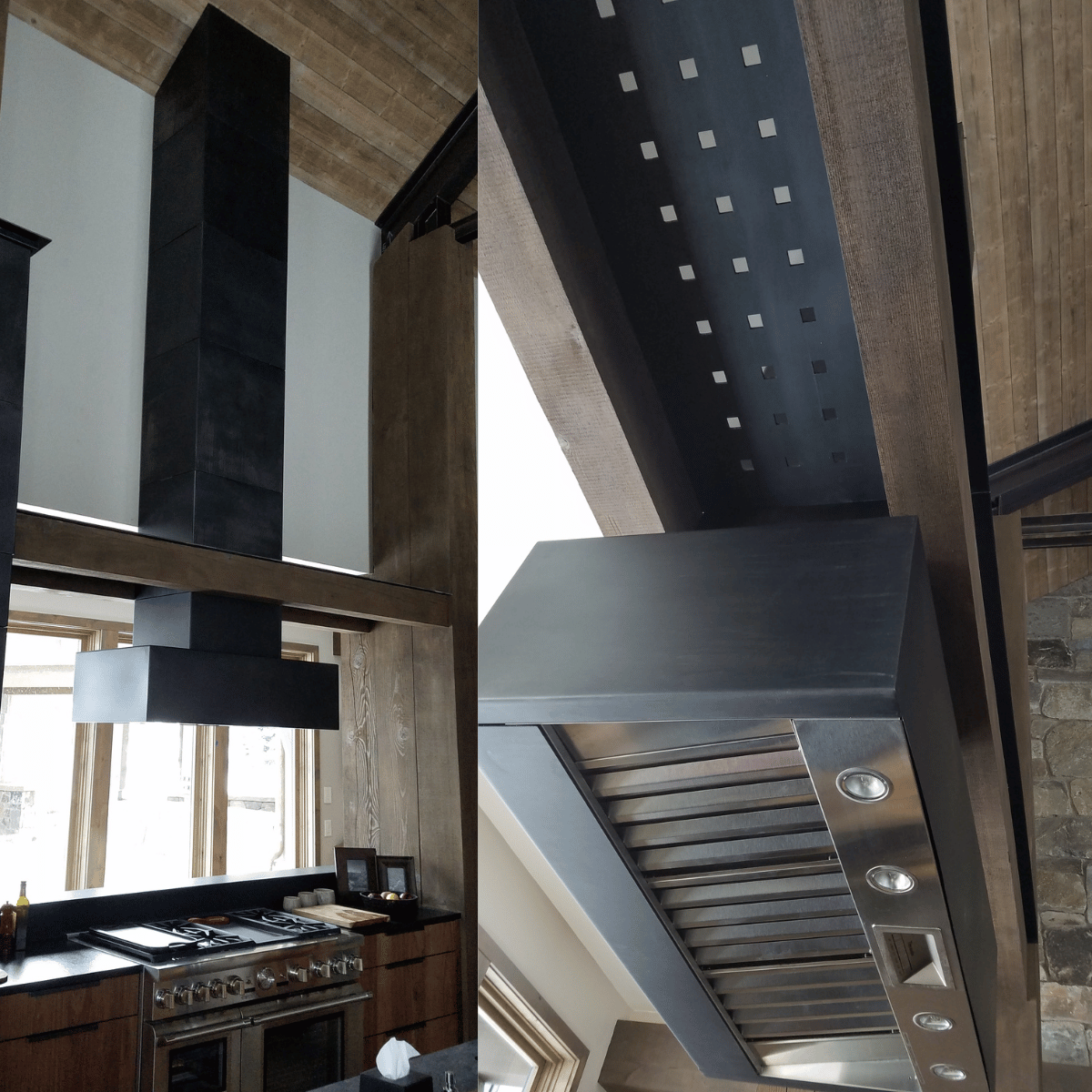
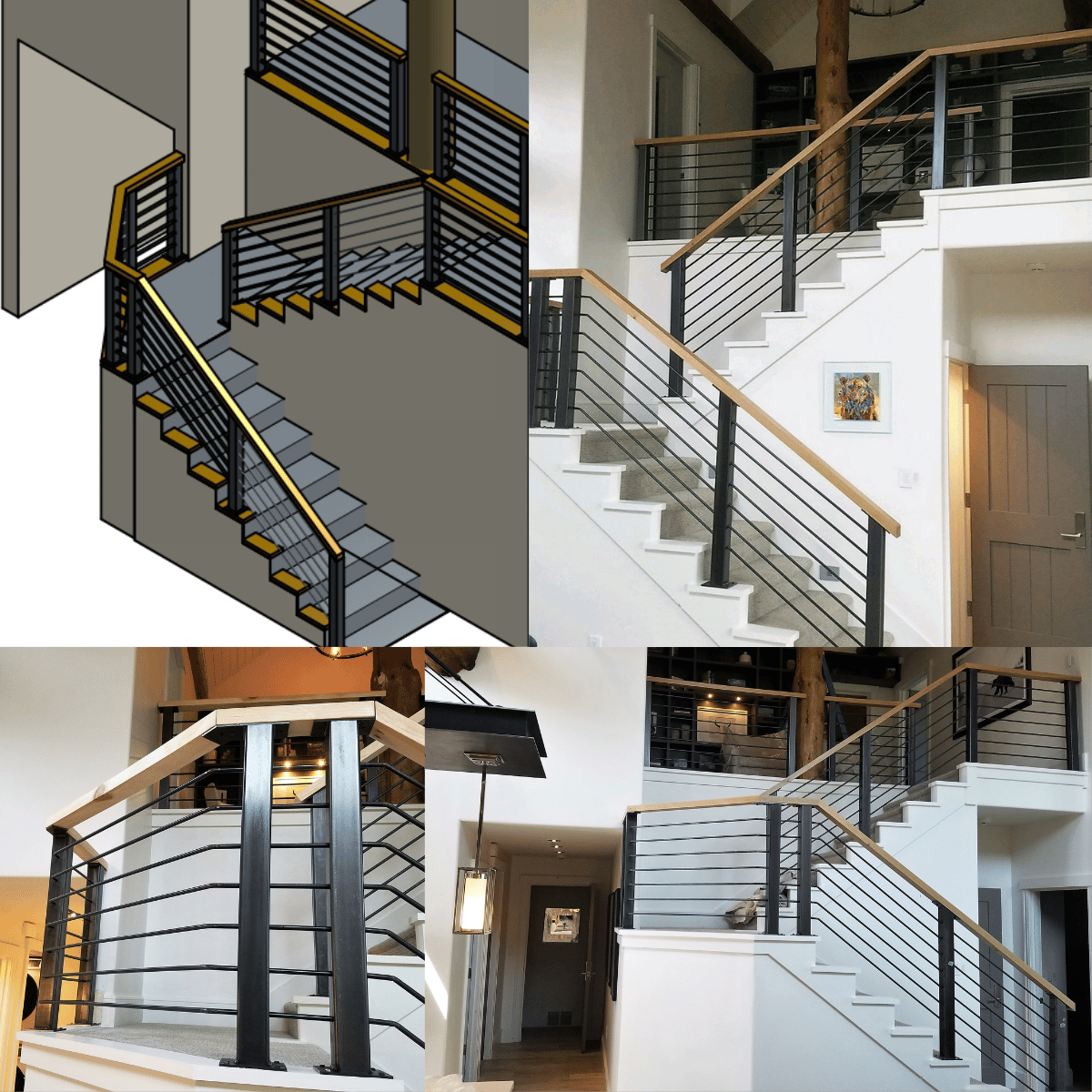
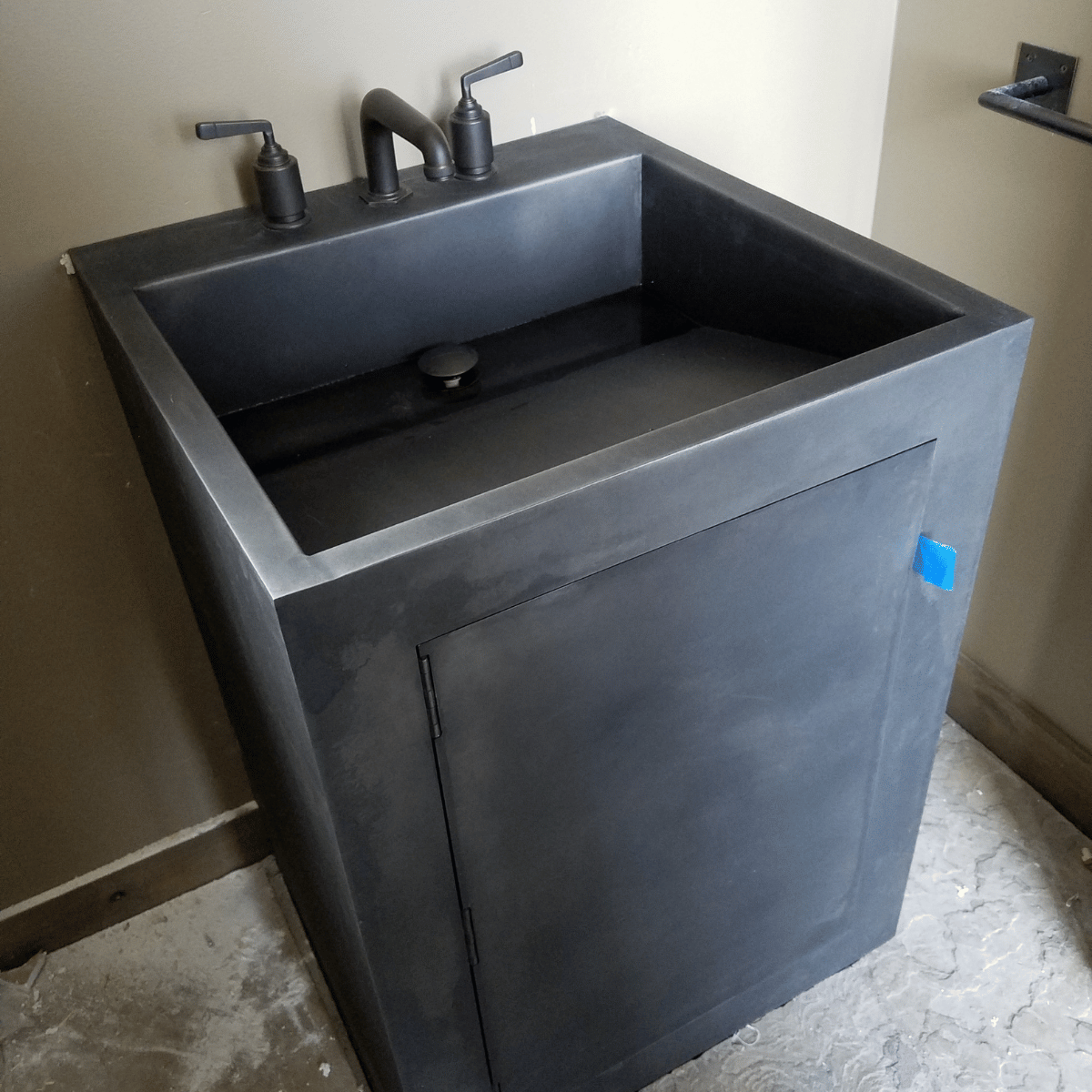
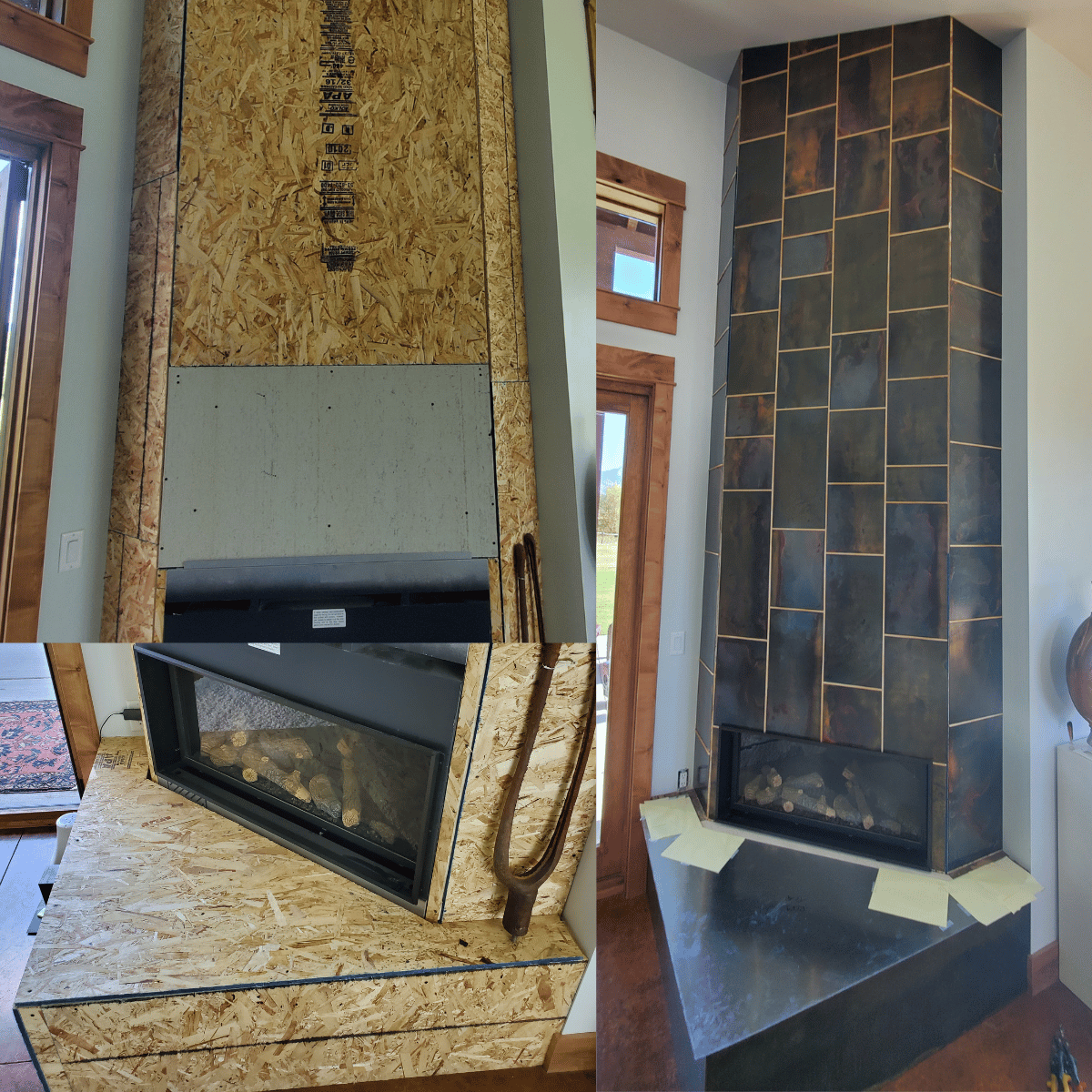
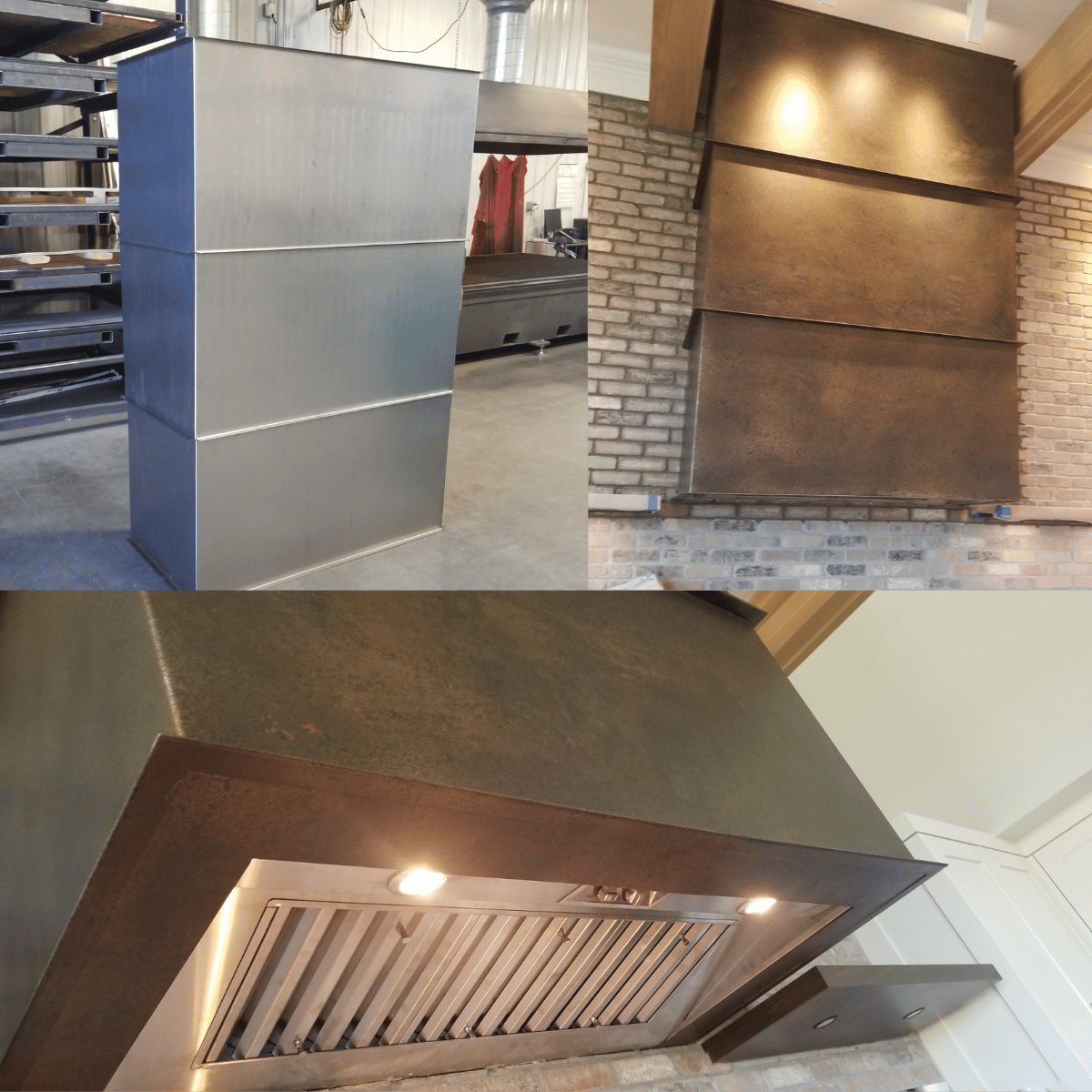
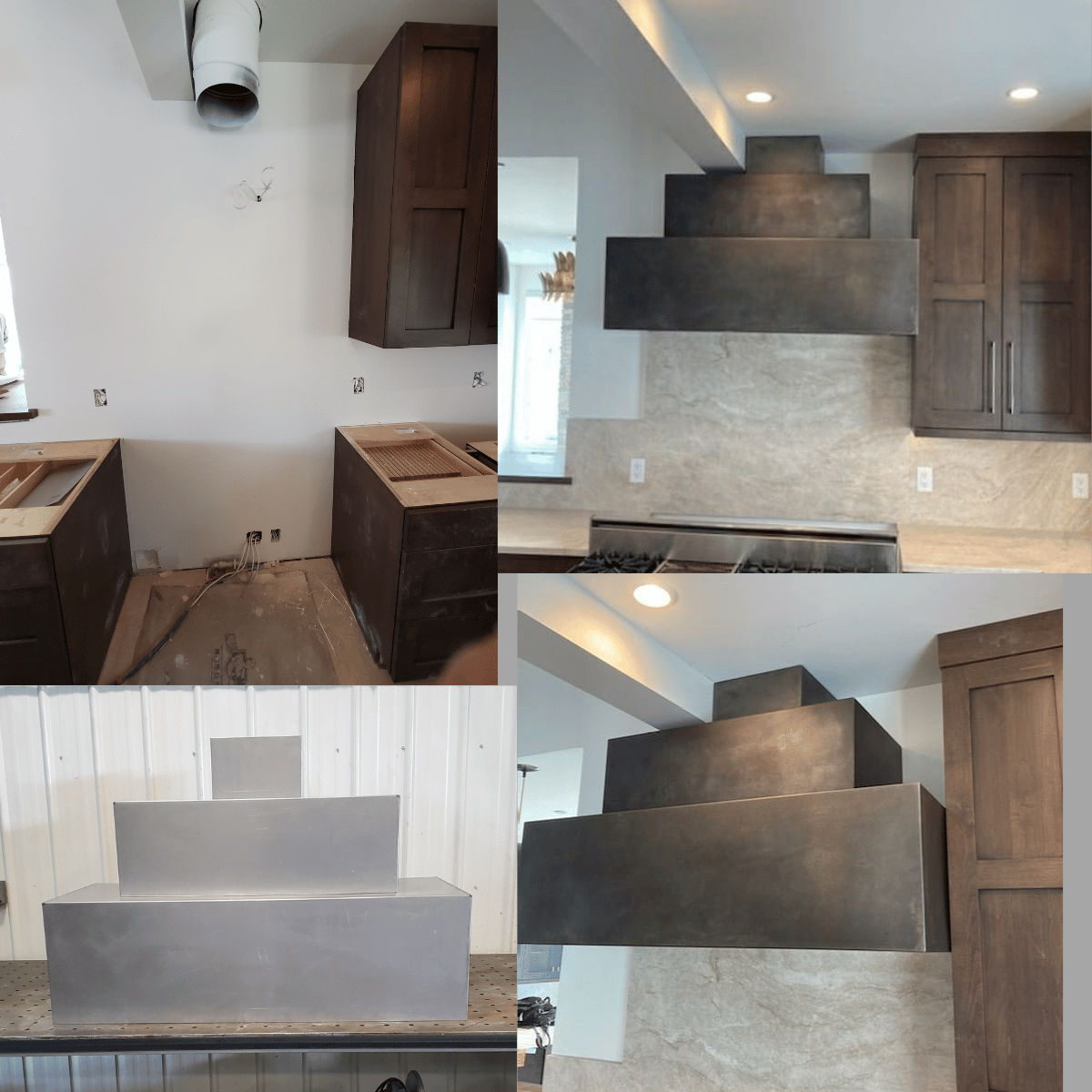
The images throughout this page represent real projects, manufacturing environments, equipment installations, workflow development, and operational responsibilities completed through hands-on experience.
Facility Layout & Production Flow
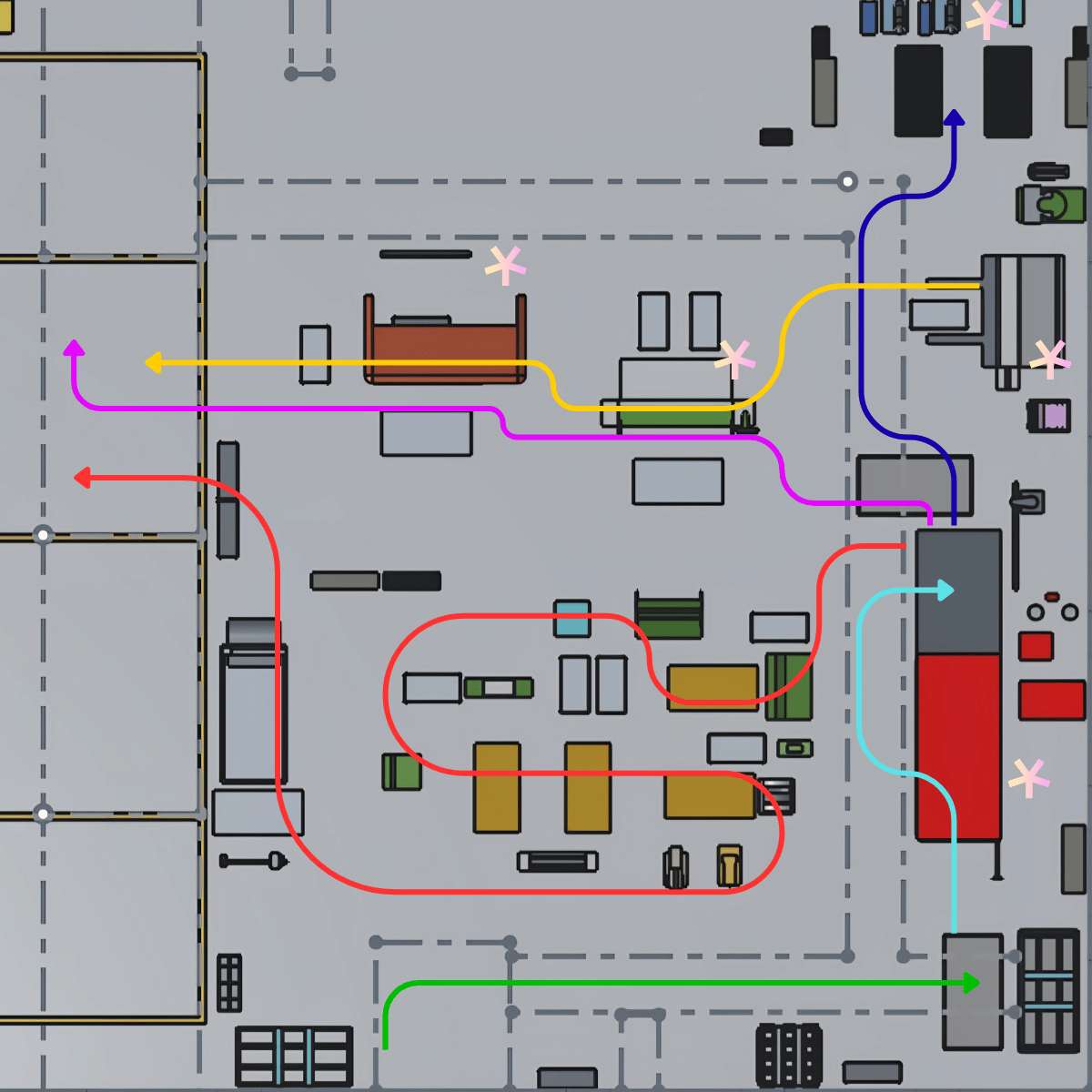
Experience evaluating how material and work move through fabrication and manufacturing environments, where delays develop, and what limits production flow and throughput.
FOCUS AREAS:
➜ Facility layout
➜ Material flow
➜ Production flow
➜ Capacity planning
➜ Expansion planning
➜ Equipment placement
➜ Department relationships
➜ Workflow sequencing
SUPPORTING EXPERIENCE:
Facility planning, production-flow analysis, equipment relocation, facility expansion, material staging, department coordination, production sequencing, and throughput-improvement initiatives.
Equipment & Automation Strategy
Experience evaluating, selecting, implementing, integrating, and operating fabrication equipment and automation systems within real production environments.
Equipment decisions were evaluated against actual production requirements, labor availability, upstream and downstream capacity, facility constraints, and future growth needs.
FOCUS AREAS:
➜ Equipment evaluation
➜ Automation readiness
➜ Capacity planning
➜ Production integration
➜ Capital investment decisions
➜ Equipment utilization
➜ Implementation planning
➜ Department balancing
SUPPORTING EXPERIENCE:
Fiber lasers, plasma systems, waterjets, press brakes, roll forming, welding systems, tube and pipe fabrication equipment, material handling, automation integration, equipment installation, production readiness, and operational scaling.
Digital-tO- Production Integration
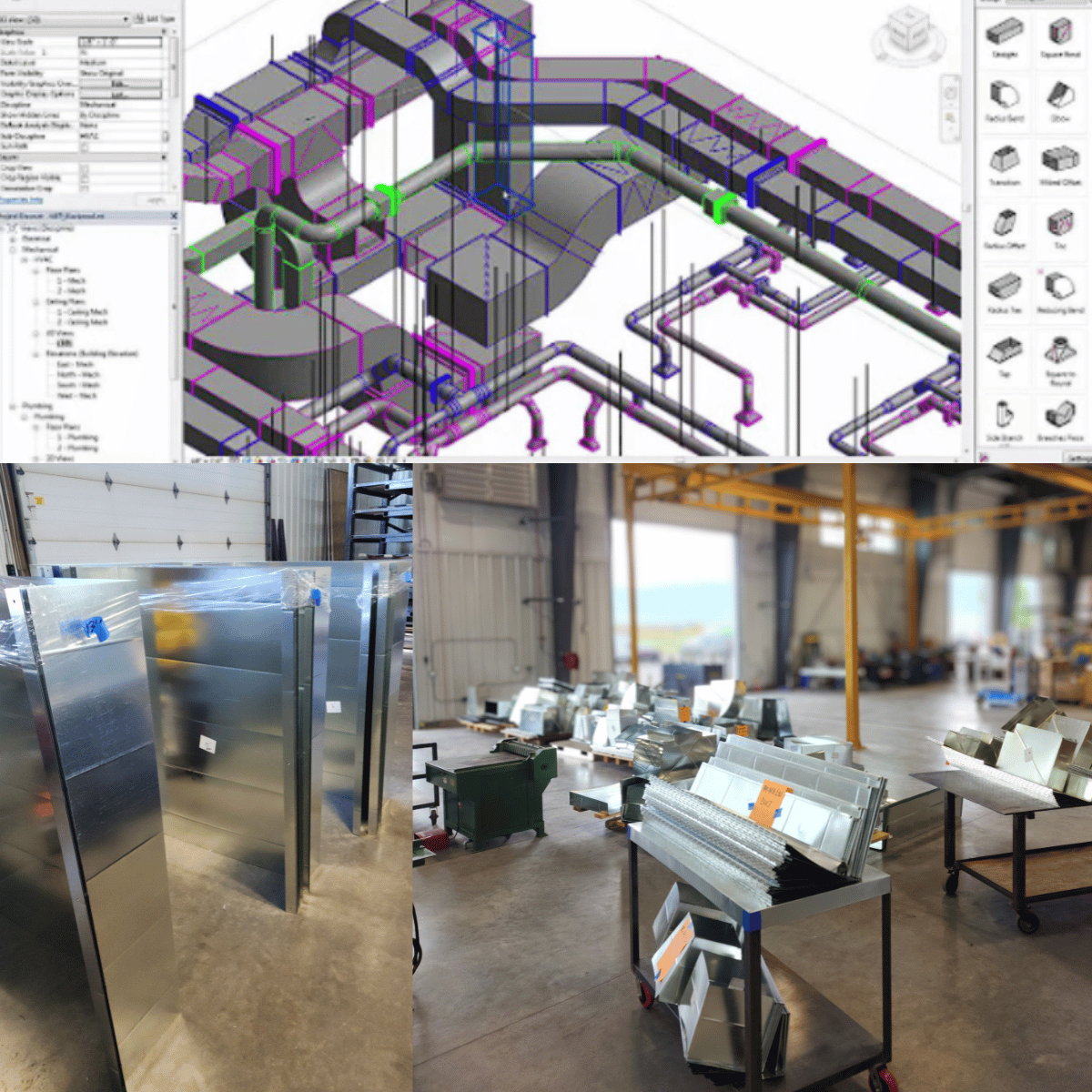
Experience connecting engineering, BIM, CAD/CAM, ERP, routing, planning, and fabrication workflows so production receives accurate, usable information when it is needed.
The focus is not software utilization by itself. The focus is ensuring engineering information supports manufacturing readiness and reliable production execution.
FOOCUS AREAS:
➜ Engineering workflows
➜ BIM-to-fabrication workflows
➜ CAD/CAM integration
➜ ERP workflow alignment
➜ Routing structures
➜ Production planning
➜ Release management
➜ Manufacturing readiness
➜ Office-to-floor information flow
SUPPORTING EXPERIENCE:
SolidWorks, OnShape, CAMduct, ESTmep, Autodesk, ERP integration, routing development, production release workflows, programming coordination, engineering handoff, revision management, purchasing coordination, and office-to-floor workflow integration.
Manufacturing Operations & Execution
Direct responsibility for production scheduling, workflow coordination, labor utilization, throughput, quality, capacity, and delivery performance.
This operational experience provides the context required to understand how decisions involving layout, equipment, engineering, planning, and material flow affect actual production results.
FOCUS AREAS:
➜ Production scheduling
➜ Workflow coordination
➜ Throughput management
➜ Labor utilization
➜ Production priorities
➜ Capacity management
➜ Quality and delivery performance
➜ Operational improvement
SUPPORTING EXPERIENCE:
Day-to-day manufacturing operations, production leadership, scheduling coordination, workflow management, engineering coordination, purchasing, production planning, fabrication execution, capacity management, and continuous operational improvement.
Why Experience Matters
Recommendations are more practical when they come from firsthand responsibility for production performance.
Applied Manufacturing Systems was built from operating fabrication and manufacturing environments—not observing them from outside the operation.
Experience across engineering, production, equipment, layout, automation, planning, and workflow coordination helps connect decisions into recommendations that can be implemented in real manufacturing environments.
Manufacturing systems are interconnected.
Improving one area often affects another.
That systems-level perspective is the foundation of every engagement.
Discuss Your Operation
Whether you're planning expansion, evaluating equipment investments, improving production flow, or working through operational challenges, most conversations start in the same place:
Understanding how the manufacturing system functions as a whole.
No obligation. No sales pitch.
Just a focused discussion around your operation, challenges, and objectives.